When Lalit Ahluwalia talks about the risks of enterprise AI, he doesn’t start with hypothetical scenarios.
The North Texas cybersecurity founder has spent more than two decades in security and risk management, including leadership roles at Wipro, Deloitte, and Accenture. Today, he runs Irving-based DigitalXForce and its services affiliate, iTRUSTXForce.
What concerns him is a set of blind spots inside organizations, such as employees using unapproved AI tools, sensitive data flowing into external systems, gaps in governance, and AI-powered social engineering attacks. He recently described those risks as an “AI Cyberstorm” in a LinkedIn post.
Ahluwalia says DigitalXForce offers a way for organizations to manage cyber risks as part of day-to-day operations, not just during compliance and audit checkpoints.
Last week, the company announced Enterprise TRiSCM, short for Trust, Risk, Security, and Compliance Management, after showcasing the platform earlier this month at the Gartner Security & Risk Management Summit. DigitalXForce says the platform is designed to provide continuous oversight across AI, cloud, and other enterprise systems.
The company says businesses are adopting generative AI, autonomous “agentic” AI that can act on its own, multi-cloud systems, and early quantum technology faster than traditional security and compliance tools can keep up. “Your security stack was built for human-scale threats,” Ahluwalia said in a May warning. “The next generation of attacks will increasingly operate at machine speed.”
Ahluwalia calls AI-powered TRiSCM “not a product launch” but a “category declaration
Traditional governance tools were built for compliance and security tools for protection, but neither was designed to keep up with AI, cloud, operational technology, third parties, and emerging quantum risks, according to the company. “Organizations today are not struggling because they lack data—they are struggling because ‘trust’ itself has become fragmented,” Ahluwalia said, referring to the way different systems and teams hold pieces of an organization’s risk picture.
Watching AI, bracing for quantum
The June launch added two components to the platform.
One, called AI TRiSCM, is meant to monitor a company’s AI systems, from generative tools to “agentic” software and large language models, and to flag “shadow AI,” the apps employees adopt without IT’s sign-off.
The other, Q-ROC, or Quantum Risk Operations Center, is aimed at a future in which quantum computers could weaken some of the encryption that protects data today. One of its features, the company says, is designed to prepare for “Harvest Now, Decrypt Later,” a scenario in which attackers steal encrypted data now, then try to decrypt it once quantum machines are strong enough.
Last fall, in October 2025, the company opened a research hub it calls XForce Galaxy in Irving.
Scaling, ‘no venture war chest’
Ahluwalia founded DigitalXForce in 2023, a year after iTRUSTXForce, and sits on the board of the U.S. India Chamber of Commerce DFW. Ahluwalia recently recounted the company’s rise on LinkedIn. Three years ago, DigitalXForce showed up at the Gartner Security & Risk Management Summit with a small booth, a bold vision, and “no venture capital war chest,” according to the founder.
This year, the company had “one of the most visible presences on the floor,” which Ahluwalia called humbling. The rise, he wrote, was built on customers and partners believing in the company—and “a team that refused to think small.”
The company now serves enterprises in healthcare, finance, critical infrastructure, and technology.
Chasing $100 million in recurring revenue
In May, DigitalXForce said it was working toward $100 million in annual recurring revenue over the next two to three years, pointing to demand from Fortune 500 companies and interest from what it described as “Tier-1 strategic and institutional investors.” In April, it was named a winner in the 2026 Global InfoSec Awards, presented during the RSA Conference, for products spanning enterprise security, third-party risk, and AI governance.
Ahluwalia believes digital trust will become “one of the most valuable enterprise assets of the next decade.” As he puts it, “Technology enables businesses. Trust sustains them.”
Don’t miss what’s next. Subscribe to Dallas Innovates.
Track Dallas-Fort Worth’s business and innovation landscape with our curated news in your inbox Tuesday-Thursday.
R E A D N E X T
-

Launched in a partnership with Dallas-based Krida, the SMU Mustang Coin is a utility access credential—a digital tool designed solely to unlock fan engagement experiences, content, and rewards within the Krida platform. The startup's founder, SMU finance grad Bhavesh Kalia, said the new coin offers "a real way for fans to participate beyond showing up or wearing a jersey."
-

The acquisition signals a strategic expansion of TimelyCare’s model, moving from primarily supporting students at the point of clinical need to helping institutions offer resources to the full student population earlier and more consistently throughout the care continuum, TimelyCare said.
-
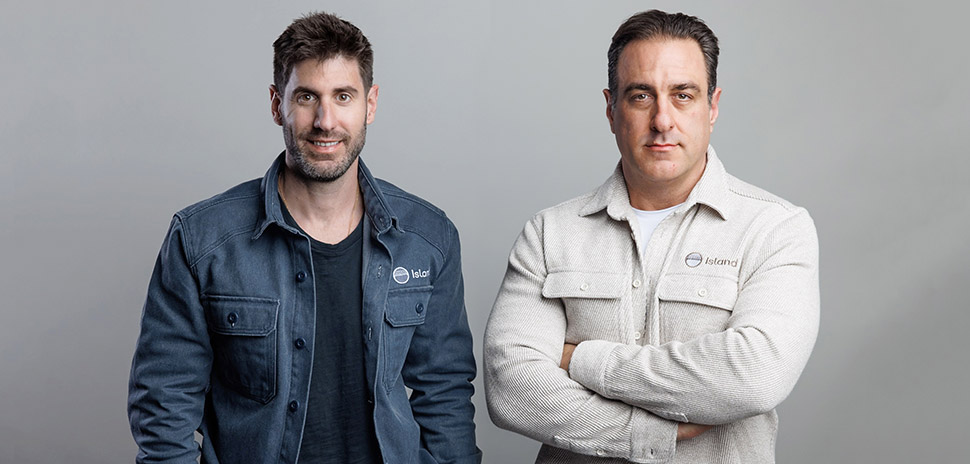
The nearly $5 billion startup ranked No. 28 on CNBC’s 2026 list alongside AI giants Anthropic, OpenAI and Databricks—making it the highest-ranked Texas company and the only Dallas-Fort Worth company in this year’s lineup.
-
With more than 25 years of sales experience, leading SaaS and technology companies, and concentrating on customer retention and long-term partnership, John Batdorff joins MarketTime from PushPress, a fitness-industry SaaS platform, where he served as vice president of sales & director of partnerships.
-
With a background in U.S. intelligence, Joel Molinoff recently served as global head of third-party risk products and services at BlueVoyant, where he guided the development and growth of the company’s third-party risk management business serving commercial and government clients around the world, Dallas-based iCOUNTER said.
-
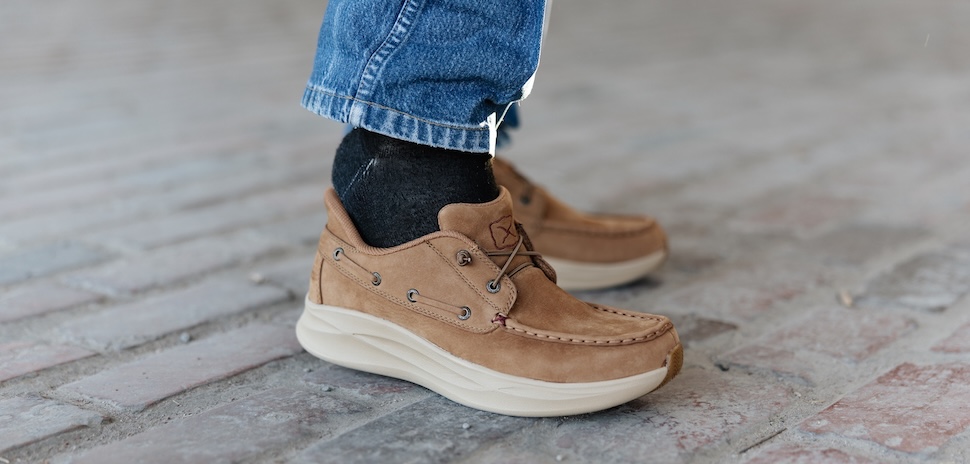
Designed for everyday wear, EZ On features a reinforced heel that holds its shape, making it easy to slide on with no bending or fuss, Decatur-based Twisted X said. Elastic gore panels built into the tongue allow the shoe to be comfortably snug without laces.
-

With a facility three times larger than Ziosk’s previous location, the Plano center offers autonomous working lines that can significantly accelerate processing speeds and quadruple its current product capacity, the company said.
-
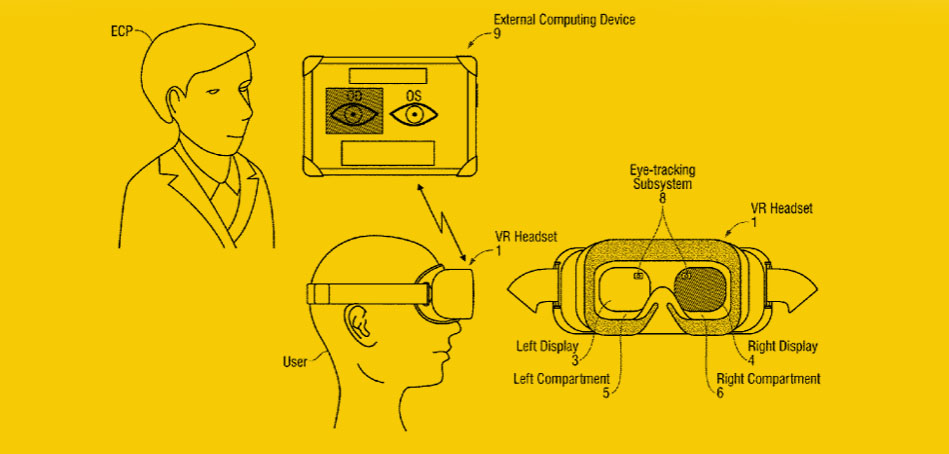
Dallas-Fort Worth ranked No. 9 for patent activity out of 250 metros for the week of April 28 with a total of 127 patents granted.
-
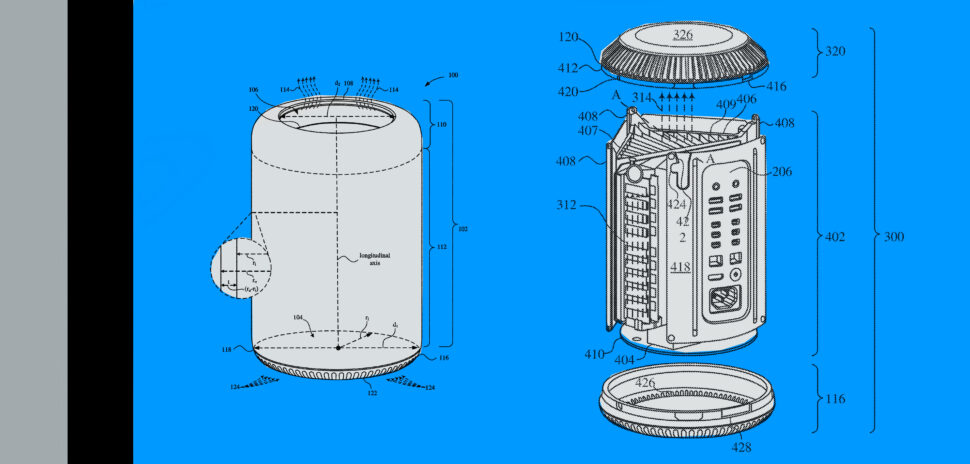
Dallas-Fort Worth ranked No. 9 for patent activity out of 250 metros for the week of May 26 with a total of 147 patents granted.
-
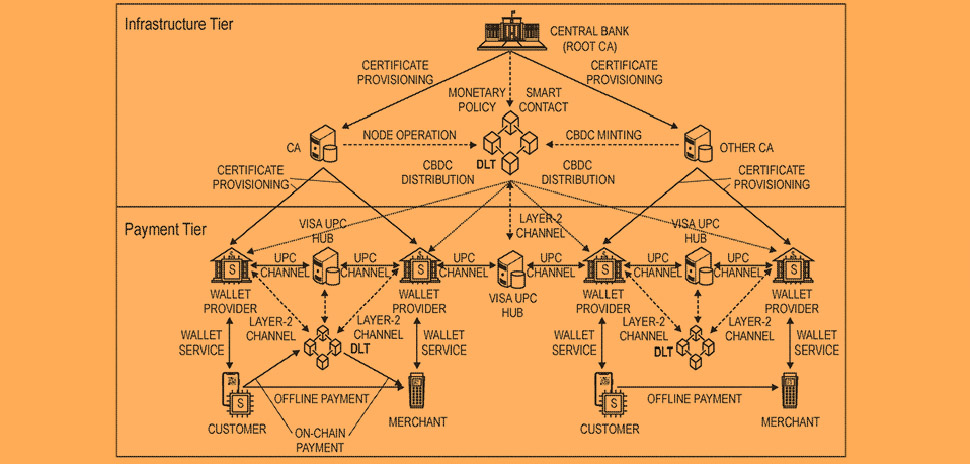
Dallas-Fort Worth ranked No. 10 for patent activity out of 250 metros for the week of June 2 with a total of 129 patents granted.