Hiring across Dallas-Fort Worth rebounded in May, part of a Texas-led uptick in a national job market that remains well below its pre-pandemic pace, according to new LinkedIn data.
DFW hiring was “11.7% higher in May 2026 compared to last month April 2026 and was 0.5% lower in May 2026 compared to last year May 2025,” according to LinkedIn’s June 2026 Workforce Report for Dallas-Fort Worth.
The report tracks hiring and migration trends through May 2026 and is one of 20 localized editions LinkedIn publishes for the largest U.S. metro areas. Nationally, hiring rose 7.8% month over month in May but remained 4.8% below a year earlier and nearly 22% below its February 2020, pre-pandemic level, according to the U.S. edition of the report.
Texas metros led the rebound: Houston was up 14.4%, Austin 12.5%, and Dallas-Fort Worth 11.7%.
AI on top, infrastructure underneath
For a longer view of which jobs are expanding in Dallas-Fort Worth, a separate LinkedIn ranking published in January puts artificial intelligence roles at the top. But the rest of the top 10 shows the region’s strength in infrastructure and real estate.
In LinkedIn’s Jobs on the Rise 2026 ranking for the Dallas region, AI engineers placed first and AI consultants and strategists second among the 10 roles that grew fastest across the region over the past three years.
LinkedIn said “roles like AI engineers and AI consultants signal increased AI investment in the region,” while “jobs like new home sales specialists and construction inspectors point to continued demand in the local real estate market.”
The rest of the top 10
The third-fastest-growing role in Dallas-Fort Worth, data center technician, ties to AI-era infrastructure, with the job’s most common skills listed as “Data Center Infrastructure,” “Technical Support,” and “Cabling,” according to LinkedIn.
Other roles making the list are new home sales specialists (No. 4), construction inspectors (No. 5), strategic advisors and independent consultants (No. 6), marketing strategists (No. 7), financial consultants (No. 9), and real estate brokers (No. 10).
One role on the list is a curiosity. “Founder” (No. 8) isn’t typically a job anyone hires for, yet it landed on the rankings. Because the ranking measures jobs LinkedIn members start, not openings employers post, that entry likely reflects a rise in people striking out on their own in DFW, not a demand to hire “founders.”
In the report, LinkedIn defines founders as people who “turn ideas into viable businesses by setting strategy, securing resources, and leading early execution,” and says they most often come from chief operating officer, chief executive officer, and software engineer roles.
Room for different levels of AI skills and experience
The two AI roles highlighted in the report draw on very different experience levels. AI engineers in the ranking had a median of just 2.7 years of prior experience, the lowest of any role on the list, while AI consultants and strategists had 5.9 years, according to LinkedIn’s profile data.
Both pull largely from adjacent fields, according to the report. LinkedIn lists the most common prior roles for AI engineers as software engineer, data scientist, and data engineer, and for AI consultants as AI engineer, data scientist, and software engineer. The most common skills for the top role were “Large Language Models (LLM),” “PyTorch,” and “TensorFlow.”
How LinkedIn built the ranking, and what’s missing (according to commenters)
LinkedIn Economic Graph researchers built the ranking by examining millions of jobs started by members from January 1, 2023, to July 31, 2025, and limiting it to titles that grew across the membership base and reached “a meaningful size by 2025,” excluding internships, interim roles, and jobs dominated by a handful of companies.
The list drew plenty of comments, some of which were about what it left out. “What’s interesting isn’t what’s on the list—it’s what’s missing,” wrote Barry Christian Williams, a project manager at Mears Broadband, who argued the skilled trades behind every ranked role go uncounted because demand has outpaced traditional hiring signals. “AI doesn’t scale without power, fiber, concrete, steel, and cooling,” he wrote.
Others noted AI-era convergence. “AI growth is becoming a facilities, power, and uptime story, not just a software story,” wrote John Sanchez, an executive coach who pointed to data center technicians as “the giveaway.”
Resources for job hunters
For job seekers, the ranking is meant to be acted on. LinkedIn calls the list “only a starting point,” noting that each role comes with detail on its key skills and top industries, “plus opportunities to explore open jobs or build skills through a related LinkedIn Learning course,” according to the report.
Each entry links out to open roles and a suggested course, so a software engineer eyeing the No. 1 spot, for instance, can see the skills the move requires and start building them.
LinkedIn also offers a skills-based resources page with a skills-matcher tool it describes as a way “to help you find possible job transitions, based on LinkedIn insights into skills similarity.” The broader hiring and migration data sits on its Economic Graph Workforce Data Hub, which consolidates the figures and analyzes cross-city patterns such as migration shifts and how AI infrastructure investment is distributed across metros.
Don’t miss what’s next. Subscribe to Dallas Innovates.
Track Dallas-Fort Worth’s business and innovation landscape with our curated news in your inbox Tuesday-Thursday.
R E A D N E X T
-

North Texas has plenty to see, hear, and watch. Here are our editors' picks. Plus, you'll find more selections to "save the date."
-
Architectural and design factors led city leaders to determine that a previously purchased building at 512 W. 4th Street wouldn't be the best choice for a modern public library, so the city plans to repurpose that building as a community arts incubator. A search for the site of an all-new downtown library is underway.
-
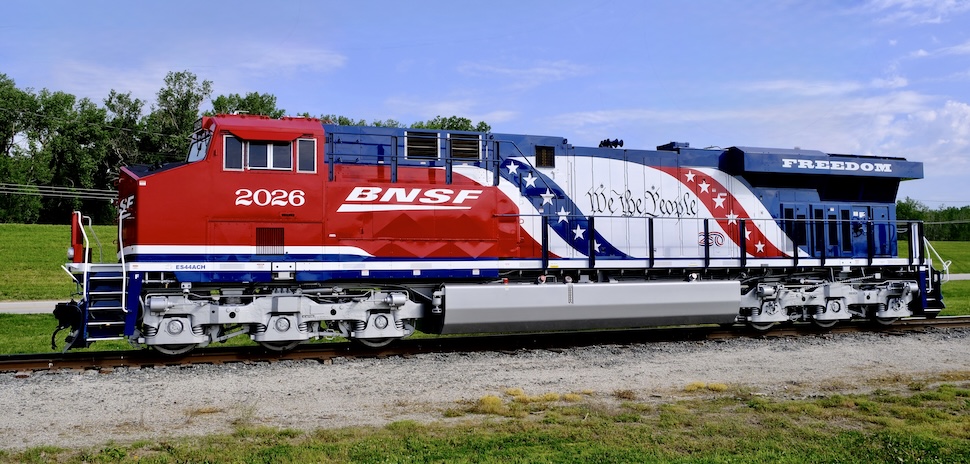
Patriotically painted in red, white, and blue, each locomotive features the preamble to the United States Constitution with the words, “We the People,” a circle of stars to honor the Betsy Ross flag, and the words "Freedom and Liberty."
-
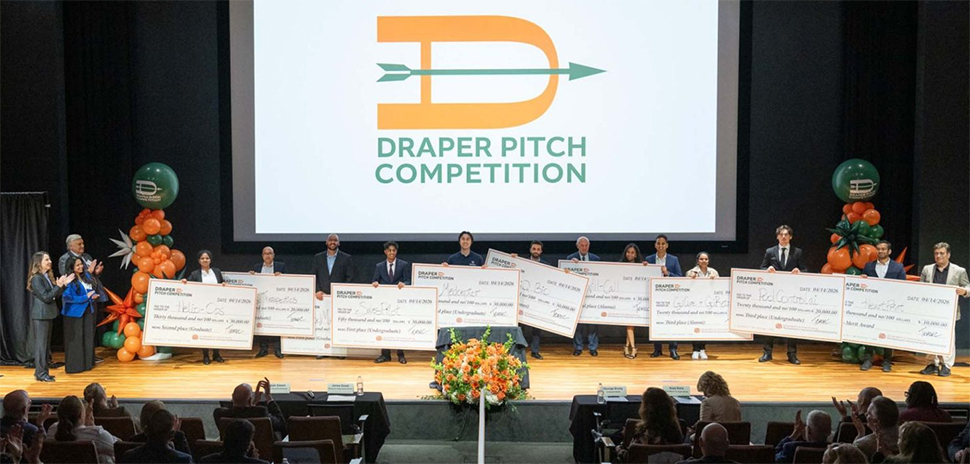
Nine student and alumni teams made the finals in three tracks: undergraduate, graduate student, and alumni. Winning ideas ranged from AI sales coaching to radiation mapping and noninvasive brain drug delivery as the university’s entrepreneurship push continues to scale.
-

DFW also ranks fifth among metros for dedicated AI hiring and is projected to add the nation’s second-most tech jobs in 2026, according to CompTIA.
-

was the fastest-growing city in all of the U.S., boosting its population by 24.6%.
-

The DECA Dental founder returned to his alma mater to keynote UT Dallas' record-breaking Draper Pitch Competition. He told student founders what it really takes.
-
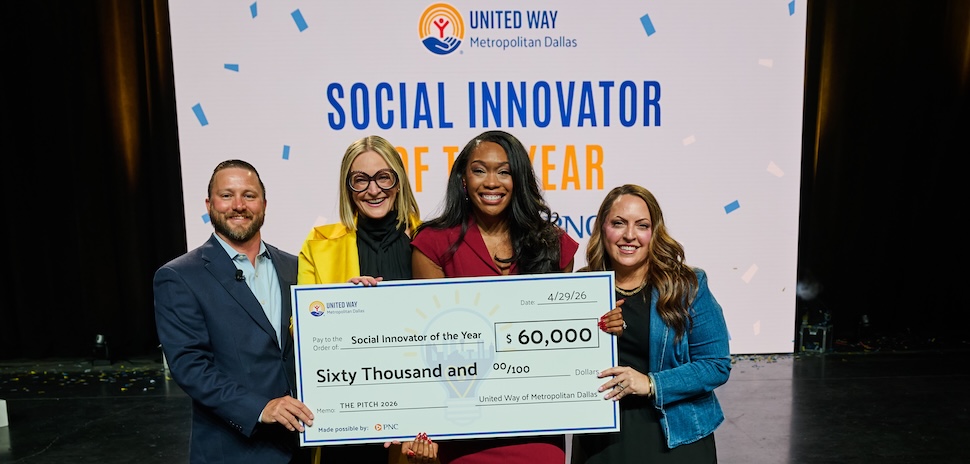
The Dallas-based reproductive health platform offers a cycle-tracking app for logging cycles and managing conditions like endometriosis and PCOS. It was one of five finalists taking part in North Texas' premier social innovation competition.
-
Because of the explosion in the use of artificial intelligence throughout society, the legal industry is undergoing seismic change, and the profession needs ways to build the judgment, confidence, and fluency to use AI effectively, BARBRI said.
-

“Dallas is a city on the rise—a magnet for capital, talent, and ideas," Luisa del Rosal said. "I look forward to working with the board, our members, and partners to amplify ECD’s role as a premier forum for the conversations that will define our economic future."