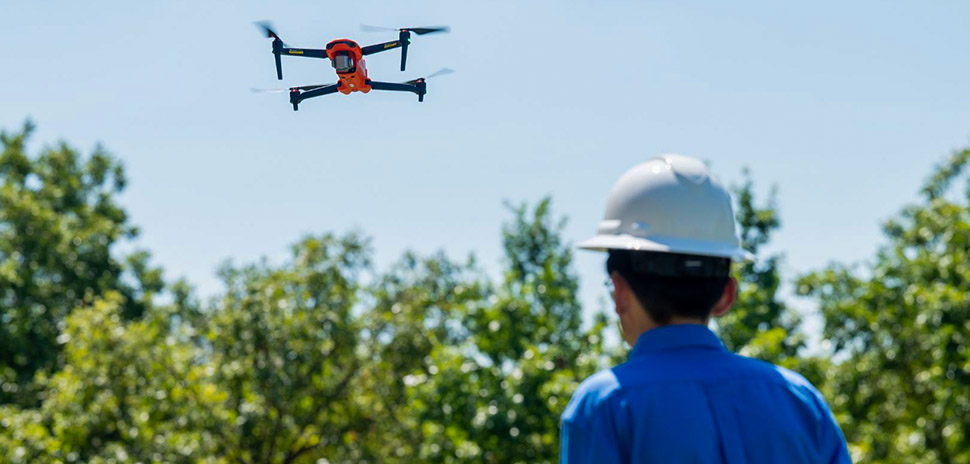
As drones become increasingly common in delivery networks and surveillance operations, early detection of mechanical issues is critical.
A University of Texas at Arlington engineer has developed a radar-based system that can remotely diagnose drone malfunctions, without needing to install sensors or onboard equipment.
The system, created by Dianqi Han, assistant professor in UTA’s Computer Science and Engineering Department, uses millimeter-wave radar to detect subtle signs of trouble, such as irregular vibrations or damaged propellers, from a distance.

Dianqi Han, assistant professor, Computer Science and Engineering Department, College of Engineering [Photo: UTA]
“We’re using high-resolution millimeter-wave radar to spot tiny mechanical irregularities in drones before they lead to serious failures,” Han said. “Our goal is a lightweight, cost-effective solution that keeps drone fleets operating safely and efficiently—even at scale.”
A ground-based approach to drone safety
The project, titled Remote Diagnosis of Drone Hardware Malfunctions Using mmWave Sensing, is supported by UTA’s Research Enhancement Program (REP), which provides seed funding to help faculty pursue new research directions and develop proposals for external funding.
UTA said Han’s system has been tested successfully in lab environments. Results show that millimeter-wave radar can detect early warning signs of hardware problems, offering a proactive, remote approach to monitoring drone health.
“As drones play a larger role in logistics and commercial operations, aging hardware and wear-and-tear present safety risks,” UTA said in its announcement. “Issues like failing sensors or propeller damage can lead to crashes if not addressed early.”
Next steps: Real-world readiness
Han’s team is working to make the system more robust for unpredictable outdoor conditions. Because it’s ground-based and uses commercially available radar with minimal computing power, UTA says the technology could scale across drone delivery, performance monitoring, and surveillance applications.
By detecting problems without modifying the drone itself, the system could help prevent accidents, reduce downtime, and boost safety as autonomous flight becomes more widespread.
Don’t miss what’s next. Subscribe to Dallas Innovates.
Track Dallas-Fort Worth’s business and innovation landscape with our curated news in your inbox Tuesday-Thursday.
R E A D N E X T
-
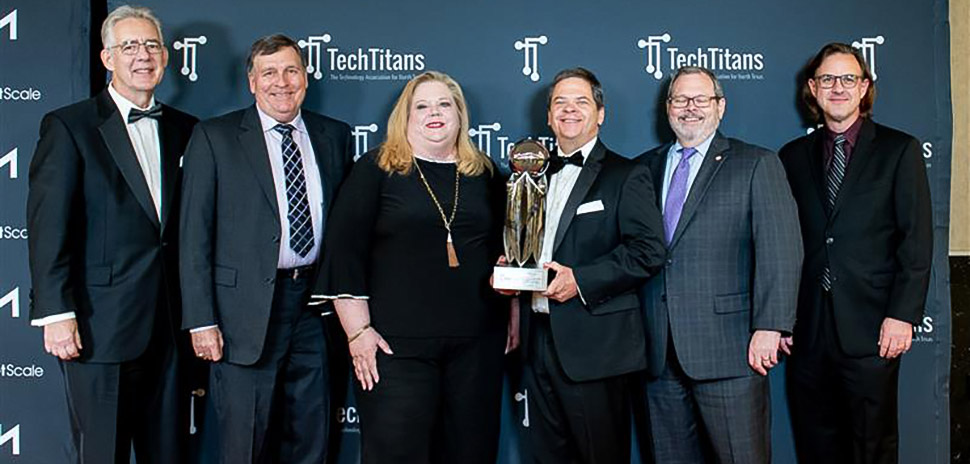
UTDesign took home the Tech Titans of the Future – Community College/University award at the Tech Titans Gala 2024. The award, which included a cash prize, recognizes educational institutions that inspire and support students in choosing engineering and technology as their preferred career paths. Among a competitive field of finalists, UTDesign stood out for its commitment to fostering hands-on innovation and shaping future technology leaders. In his acceptance speech, Rod Wetterskog, assistant dean of corporate relations at UT Dallas, highlighted the pivotal role that UTDesign’s industry partners play in the program’s success. “This award would not be possible without the…
-

Editor’s update: Sky Elements Drones, which was set to perform in Dallas on Dec. 31, has “informed Reunion Tower that they will not be able to fly their New Year’s Eve show," Reunion Tower President Dusti Groskreutz said in a statement on Thursday, Dec. 26. “They are doing this out of an abundance of caution following a recent incident as they carefully review their processes for future shows,” he added. The decision follows a Dec. 21 event in Orlando, Florida, where some of the North Texas company's drones collided mid-air and fell during a light show. Earlier this week, Sky…
-
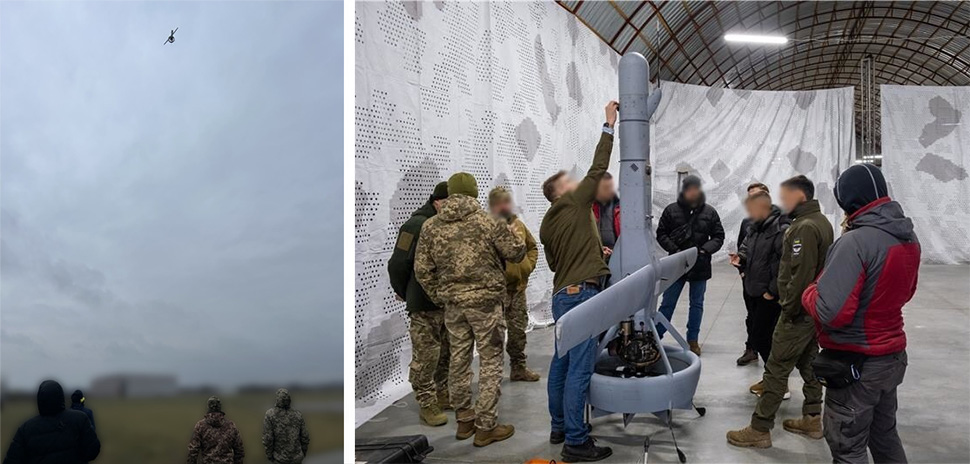
Three years after acquiring Plano-based Martin UAV and its innovative V-BAT drones, San Diego-based Shield AI is now on the ground in Kyiv. Its team is working with Ukrainian drone operators, delivering training that will prepare them for deploying V-BATs to the front lines of the country's war with Russia.
-
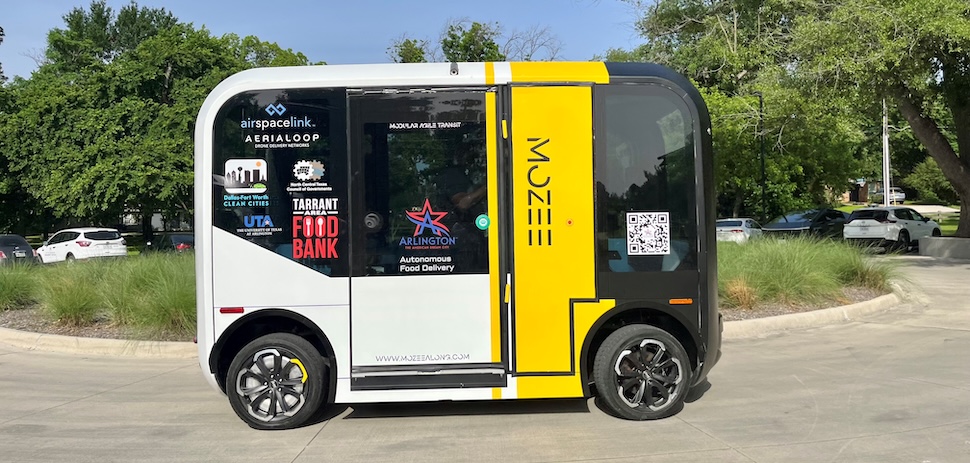
Autonomous ground vehicles from Arlington-based Mozee and delivery drones from Miami's Aerialoop are fanning out across Arlington this week, delivering around 150 boxes of nonperishable food from the Tarrant Area Food Bank to participating Arlington households.
-

Backed by a National Science Foundation grant, the project’s key innovation is WHEELCOM—a device that captures wheelchair movement data to help engineers design smarter, more inclusive buildings.