Dallas-based Texas Instruments has introduced new semiconductors designed to improve auto safety and intelligence via the industry’s first radar sensor chips for satellite radar architectures.
TI said the AWR2544 77GHz millimeter-wave radar sensor chip enables higher levels of autonomy “by improving sensor fusion and decision-making in advanced driver assistance systems (ADAS).” The company will demonstrate the new tech Thursday at the 2024 CES conference in Las Vegas.
“Semiconductor innovations like the ones we’re showcasing this year at CES are helping automotive systems continue to evolve and contribute to a safer driver experience,” Fern Yoon, director of Automotive Systems at Texas Instruments, said in a statement. “From more advanced driver assistance systems to smarter electric vehicle powertrain systems, TI is working alongside automakers to reimagine how reliable and intelligent technology can enable safer vehicles.”
It’s all in the chip
The company said its new software-programmable driver chips, the DRV3946-Q1 integrated contactor driver and DRV3901-Q1 integrated squib driver for pyro fuses, offer built-in diagnostics and support functional safety for battery management and powertrain systems.
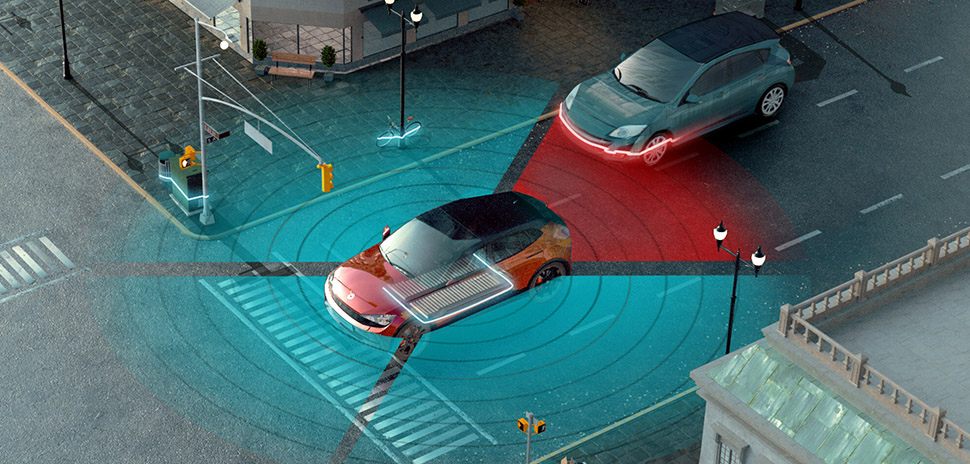
The company said its AWR2544 single-chip radar sensor is the industry’s first designed for satellite architectures. TI said that in satellite architectures, radar sensors output semi-processed data to a central processor for ADAS decision-making using sensor fusion algorithms, taking advantage of the 360-degree sensor coverage to improve vehicle safety.
Texas Instruments said the AWR2544 is also the industry’s first with launch-on-package (LOP) technology that helps reduce the size of the sensor by as much as 30% by mounting a 3D waveguide antenna on the opposite side of the printed circuit board.
LOP technology also extends sensor ranges beyond 200 meters with a single chip, TI said.
Boosting safety and efficiency
In satellite architectures, TI said those features enable automakers to increase ADAS intelligence for higher vehicle autonomy levels to make smarter decisions from farther away. It said the AWR2544 is the latest in TI’s radar sensor portfolio, which supports a wide range of ADAS applications and architectures with sensors developed for corner, front, imaging, side, and rear radar systems.
TI also said that two of its new highly integrated, software-programmable driver chips address requirements for safer and more efficient control of high-voltage disconnect circuits in an advanced battery management system. Both drivers are International Organization for Standardization 26262 functional safety-compliant and offer built-in diagnostics and protection to reduce automotive engineers’ development time, the company said.
For BMS and other powertrain systems, the DRV3946-Q1 is the industry’s first fully integrated contactor driver, the company said. The driver includes a peak-and-hold current controller that helps automakers increase system power efficiency. The device also conducts safety diagnostics to monitor the condition of the contactor.
The company’s DRV3901-Q1 fully integrated squib driver enables an intelligent pyro fuse disconnect system by using built-in circuitry to monitor the pyro fuse and provide diagnostic information to the system microcontroller, the company said. That gives hybrid electric vehicle and EV BMS designers flexibility in using a pyro fuse instead of traditional melting fuse systems while minimizing design complexity.

Get on the list.
Dallas Innovates, every day.
Sign up to keep your eye on what’s new and next in Dallas-Fort Worth, every day.
R E A D N E X T
-

Don't miss your chance to get our biggest-ever Dallas Innovates magazine. Request a complimentary copy of the once-a-year limited edition now.
-

Tarleton State University received the go-ahead for a new biotechnology institute as part of Texas A&M-Fort Worth's burgeoning downtown research campus. Approved in mid-August by the Texas A&M University System Board of Regents, the biotech institute is situated in one of the nation's fastest-growing life sciences hubs. "More than 5,000 biotechnology manufacturing and research and development firms — think Novartis, Alcon, AstraZeneca — call Texas home," according to the university. And DFW now ranks seventh in the U.S. for life science and biotech jobs. The Tarleton State Biotechnology Institute will focus on discovery and innovation in bioinformatics and computational modeling.…
-
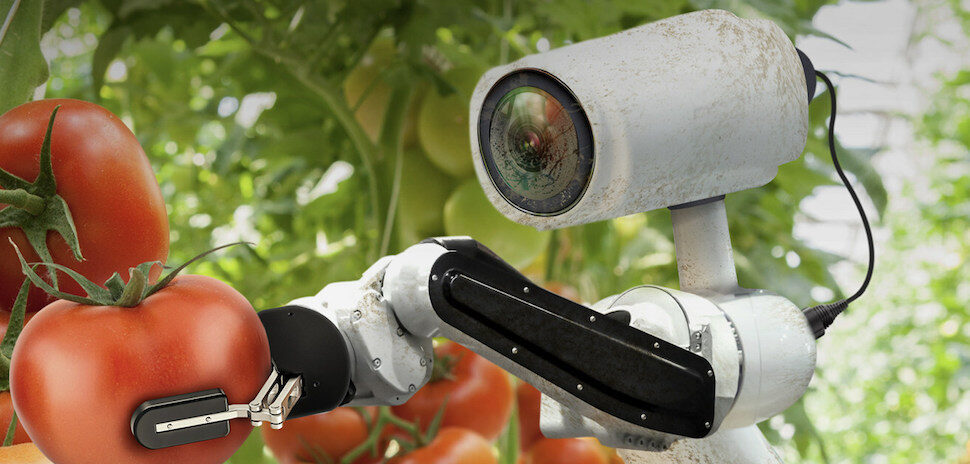
TI has introduced the first purpose-built semiconductors with ultrasonic lens cleaning technology. The new tech enables camera systems to quickly detect and remove dirt, ice, and water using microscopic vibrations. "ULC can make widespread use of self-cleaning cameras and sensors a reality," says TI's Avia Yashar—an important development that could offer applications for sensor-packed autonomous vehicles.
-
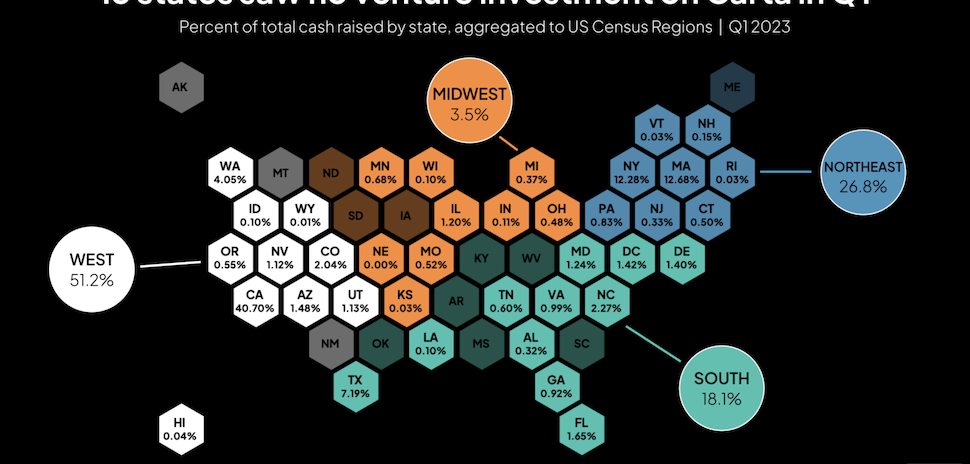
"It’s beginning to look like the recent growth of Texas could have a lasting impact on the VC ecosystem," Carta says in its Q1 2023 report, noting that Texas now ranks No. 4 among all states in capital raised on its platform. "In the recent past, California, Massachusetts, and New York formed an unofficial Big Three states for startup investors. Thanks to Texas, it’s now looking more like a Big Four."
-

A new satellite campus is adding hands-on training, lab capacity and startup support to Dallas’ growing life sciences ecosystem.