A new $200,000 grant from the Hill Prizes will back AI-related research by an ocular cancer specialist at Dallas’ UT Southwestern Medical Center. Altogether, Lyda Hill Philanthropies and the Texas Academy of Medicine, Engineering, Science and Technology recently awarded $1 million in research grants.
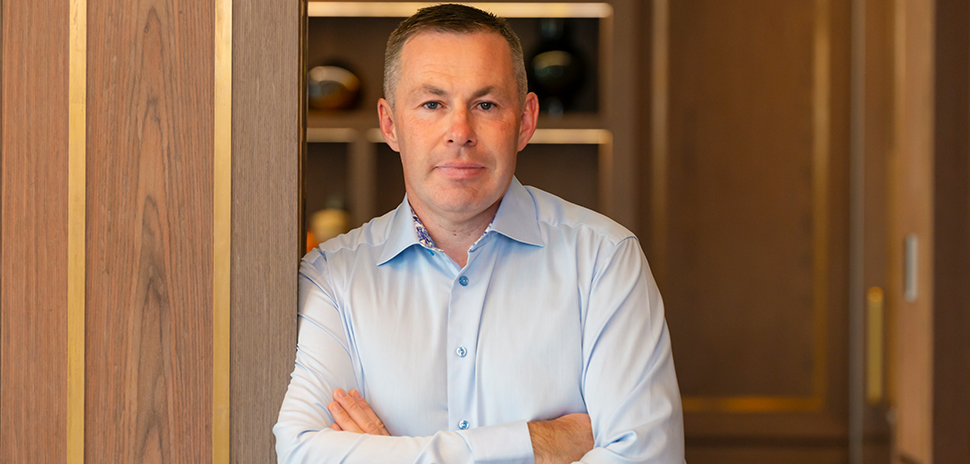
Dr. J. William Harbour, chair of UT Southwestern’s Department of Ophthalmology, received the $200,000 grant to develop AI-guided techniques for early cancer detection. Harbour seeks to improve diagnoses and outcomes for people with ocular cancer, the grant providers said in a statement.
The grants target research not funded by the 2026 Hill Prizes. Three of the six grants went to UT Southwestern researchers.
The Hill Prizes program, run by Lyda Hill Philanthropies and the academy, awarded $3.5 million in January. Seven Texas research groups received grants to support advancements in AI, technology, biological sciences, engineering, medicine, physical sciences and public health.
The Dallas-based philanthropic organization and Austin-based academy followed up with grants of $100,000 to $200,000 for the six Texas researchers.
Translating ‘ambitious ideas into tangible solutions’
David E. Daniel, chair of the Hill Prizes Committee and president emeritus of The University of Texas at Dallas, said in the statement that the Hill Prizes “are about fueling bold, transformational paths in research and innovation.”
Extending the reach of the Hill Prizes ensures “more of Texas’ most pioneering researchers receive the capital needed to translate ambitious ideas into tangible solutions,” Daniel said.
The grant-backed research demonstrates “exceptional promise for real-world impact,” the organizations said. In addition to cancer detection, the research explores non-hormonal contraception, infectious diseases and health care access.
“The caliber of research in this year’s applicant pool made it clear that we should expand our investment beyond the seven 2026 prizes,” Lyda Hill, founder of Lyda Hill Philanthropies, said in the statement.
Recipients of follow-up grants
Two of Harbour’s UT Southwestern colleagues also received grants.
Elizabeth Chen, a molecular biologist at UT Southwestern, received $200,000 to continue development of a non-hormonal male contraceptive, the grant providers said.
Yi Liu, a cancer researcher at UT Southwestern, received $100,000 to study how viruses make their proteins in search of new targets for antiviral therapies.
Two researchers in Houston picked up grants as well.
Karen Basen-Engquist, a professor at Houston’s UT MD Anderson Cancer Center, received $200,000 for research into digital exercise programs designed to improve the lives of cancer survivors.
Rebecca Richards-Kortum, a bioengineering professor at Houston’s Rice University, received $100,000. Richards-Kortum will use the money to study low-cost, AI-assisted breast cancer diagnostic tools for rural and medically underserved Texans.
In addition, Dr. Larry Schlesinger, an infectious disease expert at the Texas Biomedical Research Institute in San Antonio, received a $200,000 grant. The money will go toward developing therapies for drug-resistant tuberculosis.
More on the Hill Prizes
Lyda Hill Philanthropies and the academy encouraged recipients of follow-up grants to apply for the 2027 Hill Prizes. The organizations will announce prize winners in January.
Since 2024, the Hill Prizes have supplied more than $12.5 million in grants for Texas research. The grants aim to take breakthrough discoveries from ideas to real-world uses.
Lyda Hill Philanthropies supports advances in science and the natural world in Texas and Colorado.
Former U.S. Sen. Kay Bailey Hutchison of Texas and Nobel laureates Dr. Michael Brown and Richard Smalley co-founded the academy in 2004. The academy fosters innovation in medicine, engineering, science and technology.
Don’t miss what’s next. Subscribe to Dallas Innovates.
Track Dallas-Fort Worth’s business and innovation landscape with our curated news in your inbox Tuesday-Thursday.
R E A D N E X T
-

You'll find deadlines coming up for a new accelerator program; and many more opportunities.
-
Dallas-Fort Worth ranked No. 8 for patent activity out of 250 metros for the week of July 14 with a total of 177 patents granted.
-

Leaders from TRA, IBM, ORCA Computing and IonQ will gather in Dallas for an interactive discussion on the business applications of quantum technologies.
-
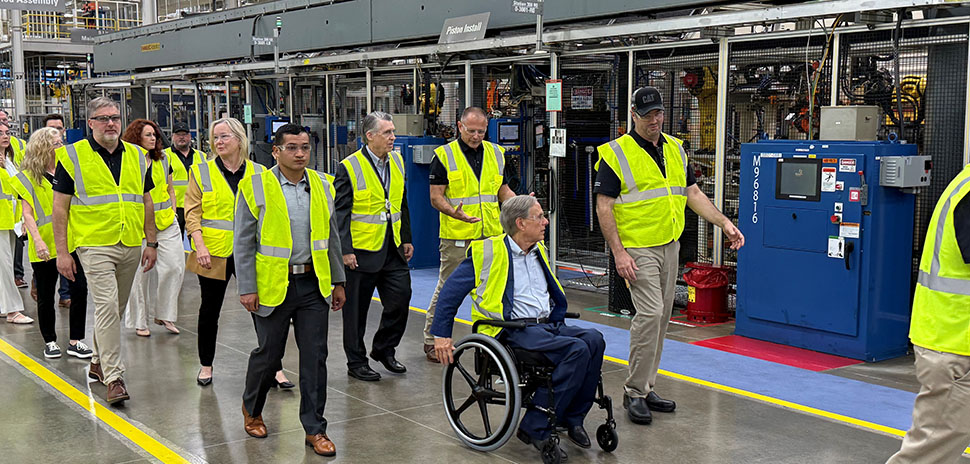
Gov. Greg Abbott joined company executives to announce the investment, which is part of Caterpillar’s 5-year, $100M effort to support manufacturing’s digital transformation.
-
Dallas-Fort Worth ranked No. 10 for patent activity out of 250 metros for the week of July 21 with a total of 109 patents granted.
-
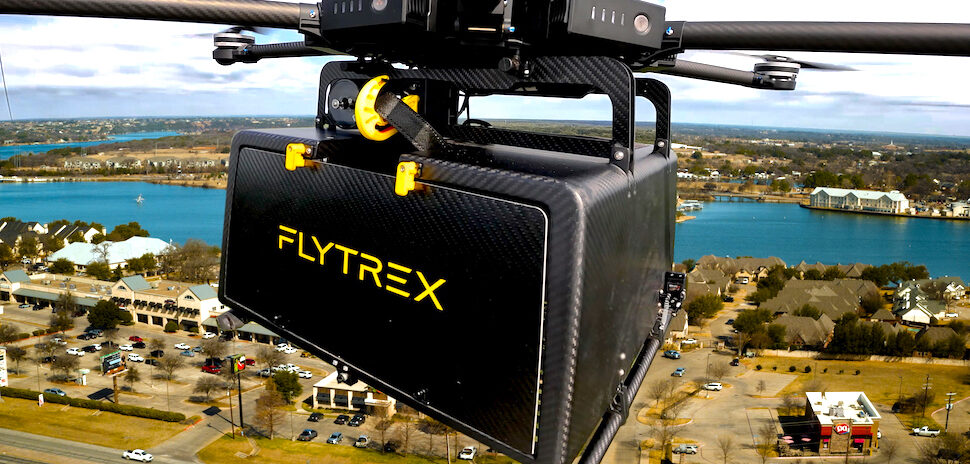
By combining Flytrex’s drone fleet with Nash’s orchestration system, the companies can route customer orders to the fastest, most reliable way to fill them. Drones take the lead for most orders, and Nash’s on-demand couriers carry the rest.
-

Dallas-Fort Worth ranked No. 8 among 250 U.S. metros in patent production for the week of Aug. 4, with 159 patents granted to inventors and companies across the region.
-
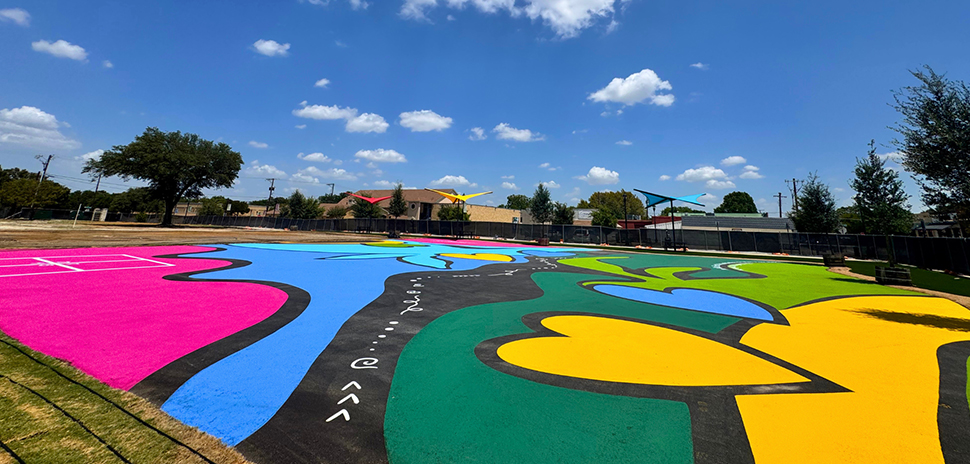
With the goal of turning the 2.68-acre site into a dynamic mixed-use hub, the city plans to unveil its interim gathering space at a Community Celebration Aug. 22.
-

Truist’s Renda Mathew is board chair-elect for the Dallas nonprofit. The foundation, which invests nearly $5 million a year in grants, research and leadership programs, also added executives from TI, Hunt Oil and WBR Partners to its board.
-

With leadership backgrounds in food service distribution, grocery chains, hospitality and community service, the new board members bring insights and passion at ‘a time of both great need and opportunity.’