As U.S. jobs continue to bounce back strong, it must be noted that not all communities share the same opportunities. Congresswoman Johnson’s recent column in the DMN bears another look for her belief that STEM education and other resources can empower underserved communities—and help create a whole new generation of leaders.
“Across the nation, Americans innovate every day,” she wrote in her DMN column. “But innovation and ingenuity do not occur only in our national labs, universities, or scientific agencies. A major source of our society’s capacity for creativity and ingenuity, in fact, lies among underserved communities and communities of color.”
“Their enterprising spirit and thirst for knowledge to build a better future for all are strong, and expanding opportunities in STEM, or science, technology, engineering and math, will help them to fully harness that ability and drive,” she added.
As chairwoman of the House Committee on Science, Space, and Technology, Johnson has a high-profile view of the future of innovation. That’s confirmed her belief that STEM learning is critical to helping a new generation thrive in the future.
“Imagining the future of our nation’s scientific enterprise is impossible without recognizing that the innovators of tomorrow are today’s young students from across the country, from different communities, different backgrounds and different socio-economic statuses,” she wrote.
A STEM school to carry forth the mission
One school that will carry that mission forward now bears Congressman Johnson’s name.
“Last year, I was honored that the new Wilmer Elementary School was dedicated in my name as Eddie Bernice Johnson Elementary School,” she wrote in the DMN. “And last month, I was proud to learn that Eddie Bernice Johnson Elementary School has officially received approval to become an innovation choice school for STEM education.”
“We need to remove barriers so there are fewer firsts and more celebration of the norm, of girls and boys from all walks of life succeeding in academia,” she added. “A diverse workforce of scientists who accurately reflect the remarkable diversity in the United States. To make sure that innovation is more accessible to everyone, everyone must have the opportunities they deserve to achieve their own American dream.”

Get on the list.
Dallas Innovates, every day.
Sign up to keep your eye on what’s new and next in Dallas-Fort Worth, every day.
R E A D N E X T
-

"It's larger than every other problem that we face, probably combined," says Texas Commissioner of Education Mike Morath. The long-term economic impact of pandemic-driven learning loss in Texas could total as much as $2 trillion. An expert panel discusses the challenges—and what's being done about it.
-

The North Texas nonprofit will receive a half-million dollars from the Toyota USA Foundation to help increase the number of girls entering into a college-level STEM degree program.
-
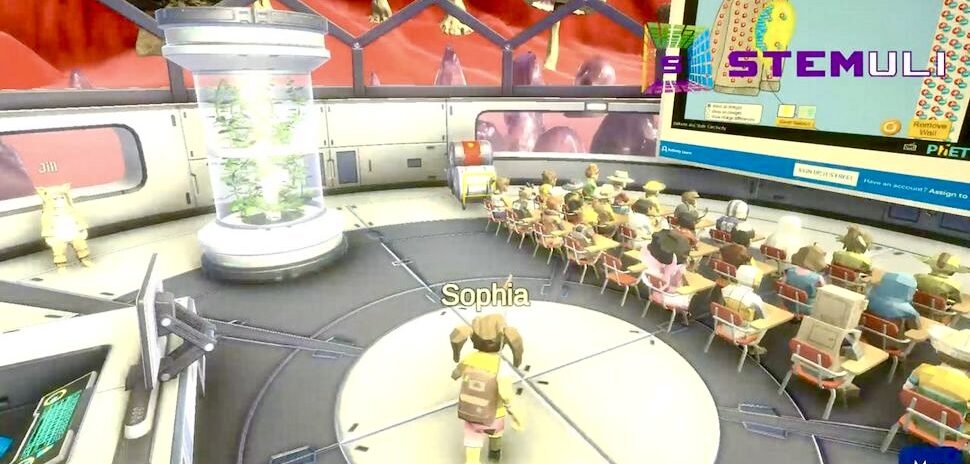
The Dallas Education Foundation is being recognized for driving the creation of an “educational metaverse” for DISD. Developed by Dallas-based STEMuli Technology, the metaverse is currently being piloted at Dallas Hybrid Prep, the district’s first permanently hybrid school. The STOP Awards, funded by Philadelphia benefactor Janine Yass, will provide a total of $3.5 million in prizes for exceptional educational responses during the COVID pandemic.
-
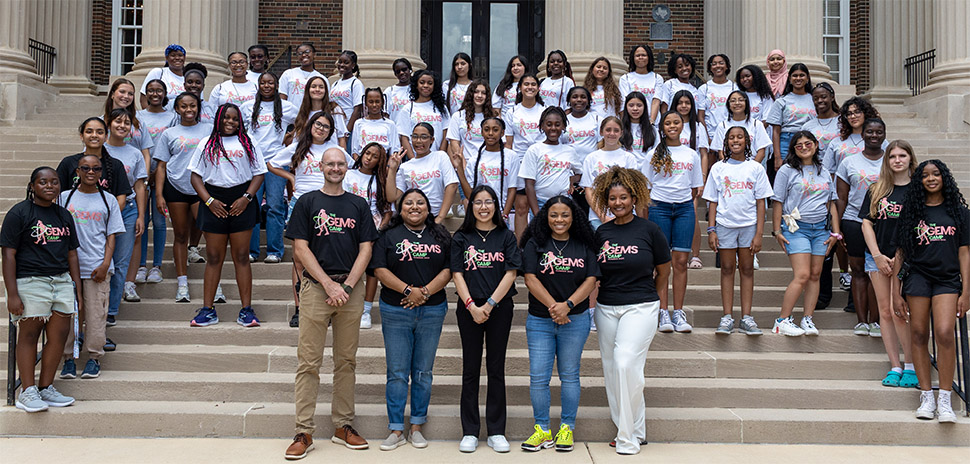
From oil spill experiments to AI-powered avatars, GEMS Camp gives girls hands-on experiences that build skills and a path to STEM. The camp, founded by a former teacher, has reached more than 1,300 participants—and 85% have pursued science, technology, engineering, or math in college.
-
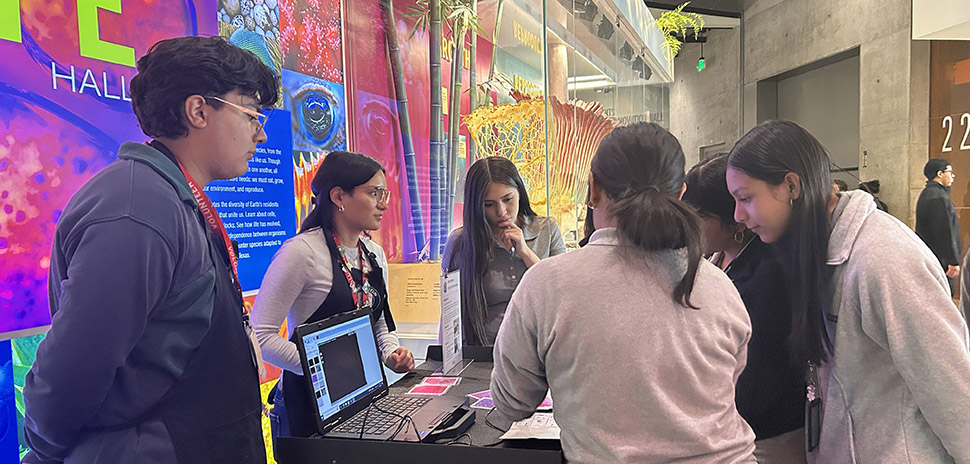
More than 48,000 students, or about 35% of all DISD students, will participate in an off-campus learning experience aligned with their curriculum by visiting one of the following institutions: Dallas Arboretum and Botanical Garden, Dallas Zoo, Environmental Education Center, or Perot Museum of Nature and Science.