Daron Babcock admits before founding Bonton Farms, he’d never really grown anything.
The South Dallas urban farm director told guests Thursday night at The Grove coworking space that he didn’t intend to become a farmer either.
“It was never the idea to start a farm. The idea was to always walk with these men who were looking and fighting for a better life for themselves,” Babcock said.
As part of the Workbench@TheGrove speaker series, Babcock recounted how he left his corporate job and home in Frisco to settle into the impoverished South Dallas neighborhood of Bonton. Once there, he hoped to make a difference in people’s lives.
“The idea was to always walk with these men who were looking and fighting for a better life for themselves.”
Daron Babcock
Through the support of the Christian nonprofit H.I.S. BridgeBuilders, Babcock first gathered a group of men whose rap sheets made securing employment difficult, to do odd jobs in the neighborhood. The goal: establish a new “record” for those folks through work experience that could later be served up as evidence to potential employers.
After learning about the area’s designation as a food desert, he decided to transform a piece of land next to his house into a garden with help from the men.
Now, that small garden project on Bexar Street has blossomed to almost 40 acres including a donated parcel off Seagoville Road. Much of that donated acreage hasn’t been farmed yet.
Produce cultivated from the land is sold to the city’s top chefs and local farmers markets. But, more importantly, it’s bringing fresh food and jobs to South Dallas where access to both resources is scarce, Babcock said.
“It’s not like we’re in some third world country … We’re in [Dallas] and we have people that are sick and dying simply because they don’t have access to food,” he said.
“It’s not like we’re in some third world country … We’re in [Dallas] and we have people that are sick and dying simply because they don’t have access to food.”
Daron Babcock
His agricultural endeavor has sparked interest from community members — and from city hall. Last year, the Dallas City Council updated its community garden ordinance to give more clarity for urban farming operations like Bonton Farms.
Babcock’s long-term goals include adding a market to the farm’s original plot, where its goods can be sold indoors and community members can come to learn about food preparation or maybe take a nutrition or yoga class.
Eventually, he hopes fresh food access will filter into other areas of Dallas where it’s limited, whether that’s through replicating the Bonton Farms model or thinking up something new. He wants to get others involved, too, such as partnering with area culinary programs to offer more opportunities.
“I think in our country, we are masters at hitting the bulls eye at the wrong target,” Babcock said. “We look at the symptoms and we try to put a Band-Aid on the symptoms. So, we have to take a deeper dive and look at the root causes of things and address those first …”
“For me, and the people that I have come to know and love, having access to food and having proper nutrition is one of the foundational components.”
NUMBERS AT A GLANCE
Here are some statistics that Babcock shared during his presentation Thursday:
In Bonton, 1 in 4 children are born to teenage mothers.
Eighty percent of childbirths in Bonton are to unwed mothers.
The high school graduation rate is 54 percent.
Forty-three percent of residents live below the poverty line.
The average median household income in Bonton is $19,213.
Bonton has zero grocery stores.
The Bonton area has 54 percent higher rate of heart disease than Dallas county, 61 percent higher rate of stroke, 58 percent higher rate of cancer, and 300 percent higher death rate from diabetes.
Dallas has No. 1 childhood poverty rate for cities larger than 1 million people in the nation and ranks No. 3 in overall poverty in nation.
If the Dallas-Fort Worth region were a country, it would rank No. 23 for the largest economies in the world having surpassed a $500 billion gross metropolitan product last year.
READ MORE
Urban Farming Is in Full Bloom Thanks to One Couple
Food Accessibility: Under-served Areas of Dallas Targeted
Chickens bring new life to Bonton Farms extension
GALLERY
Photo: Rache Photography
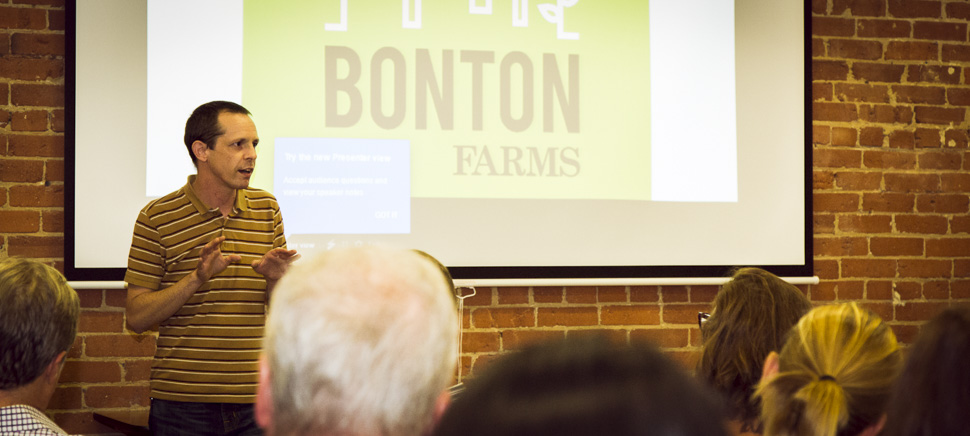
Photo: Rache Photography
Photo: Rache Photography
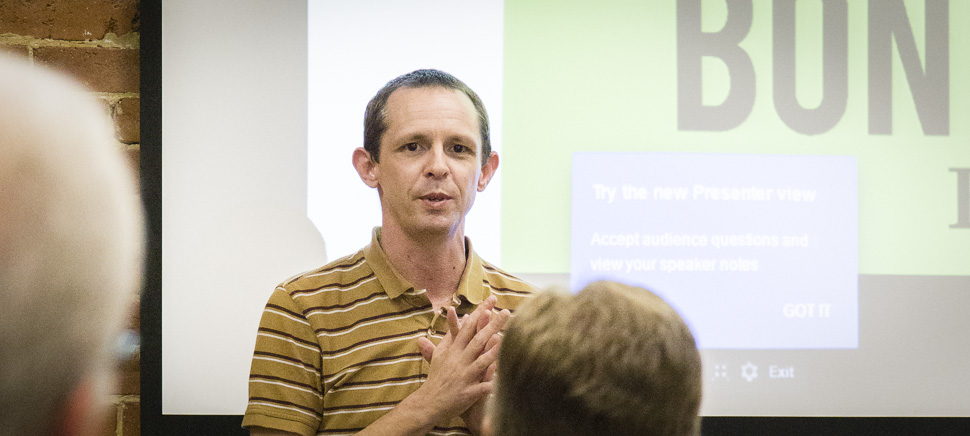
Photo: Rache Photography
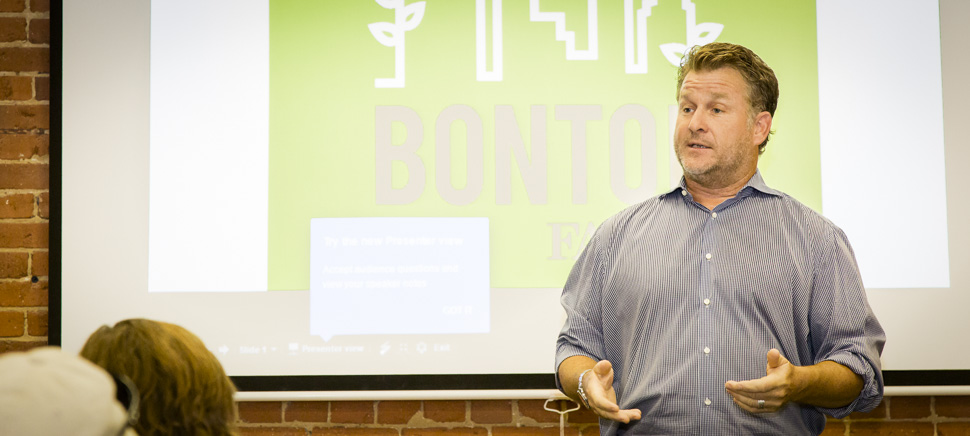
Photo: Rache Photography
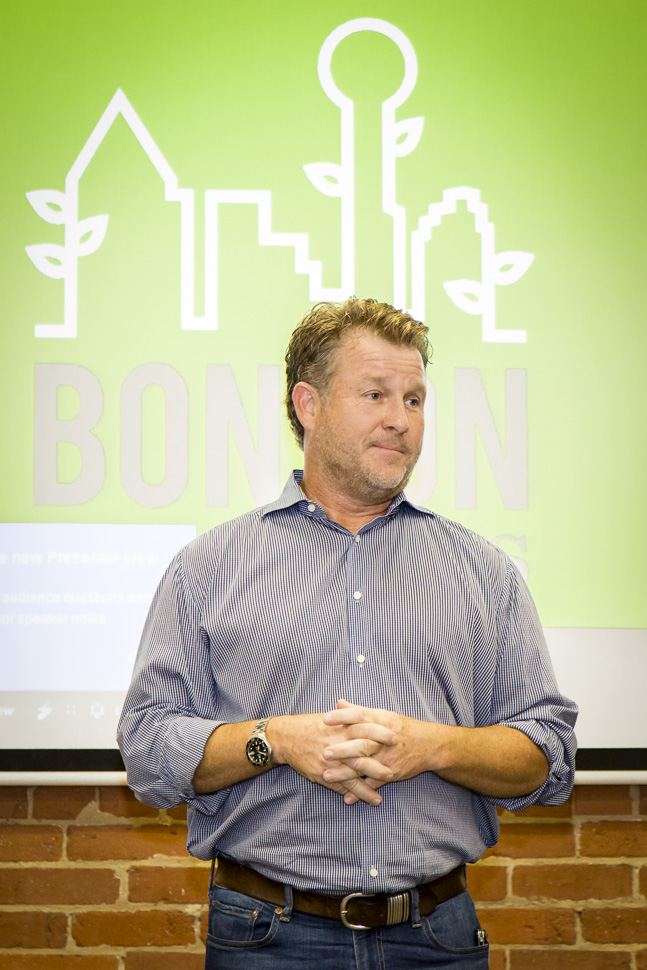
Photo: Rache Photography
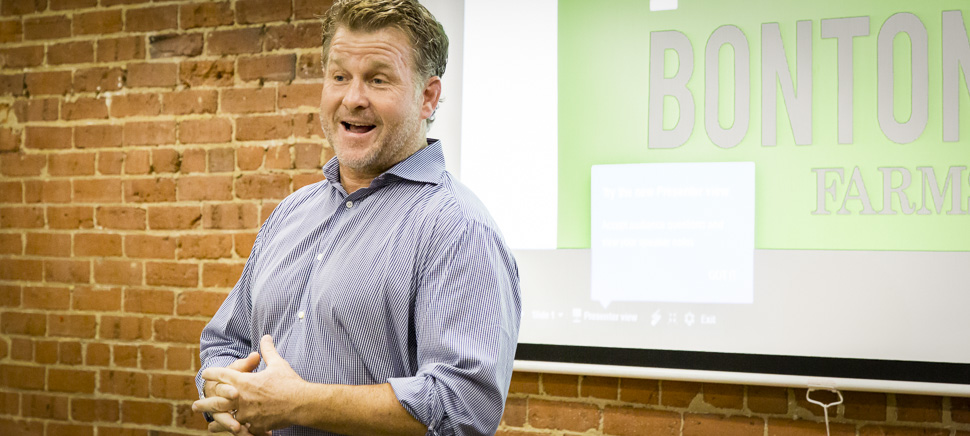
Photo: Rache Photography
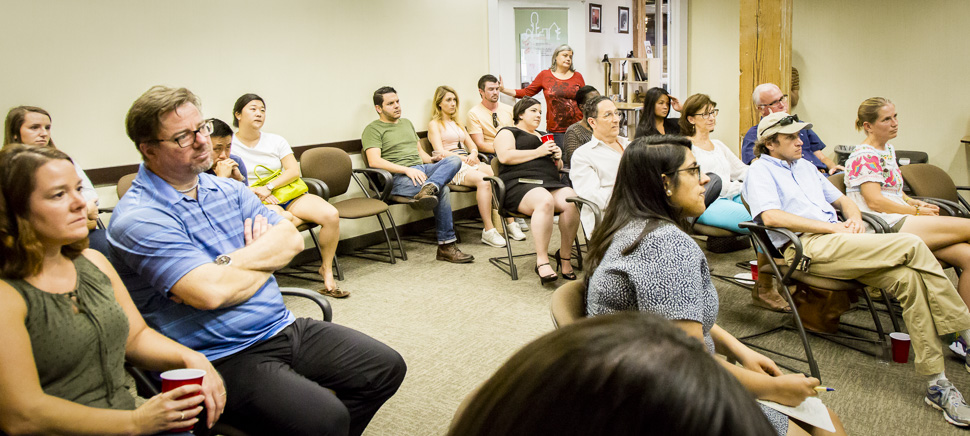
Photo: Rache Photography
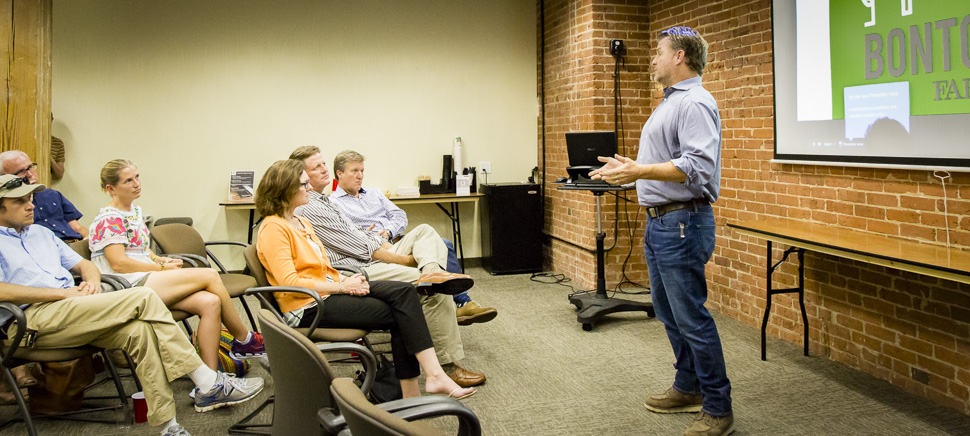
Photo: Rache Photography
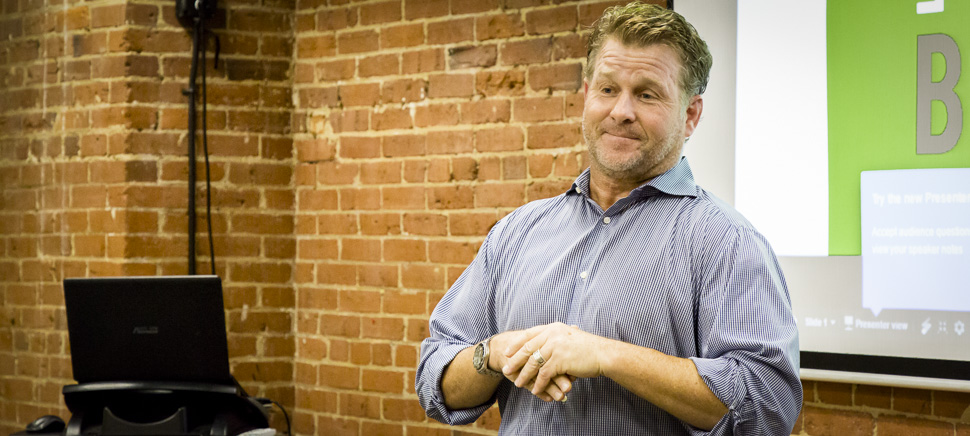
Photo: Rache Photography
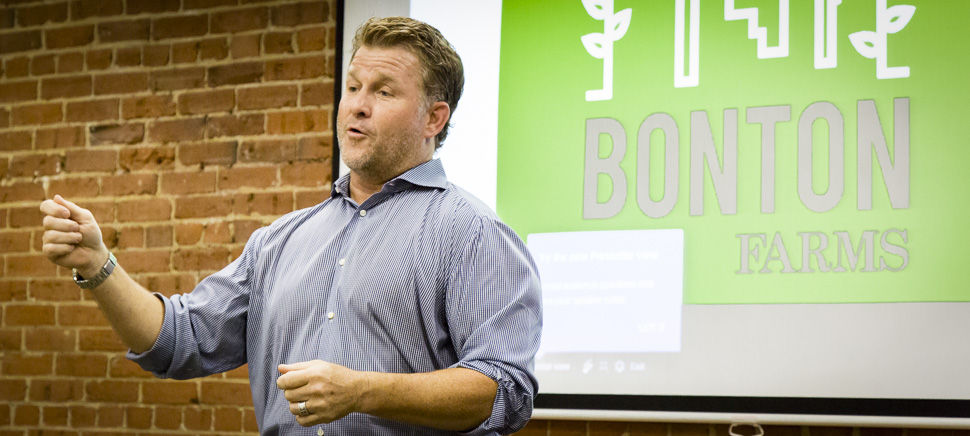
Photo: Rache Photography
Photo: Rache Photography
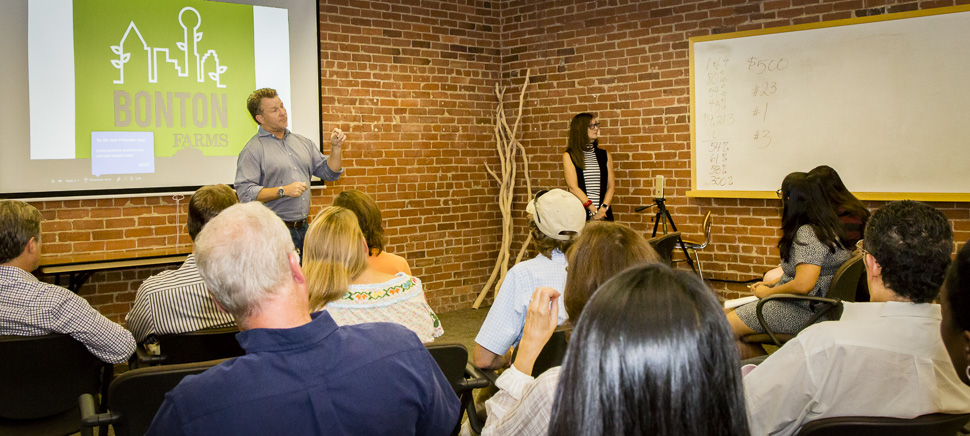
Photo: Rache Photography
Photo: Rache Photography
Photo: Rache Photography
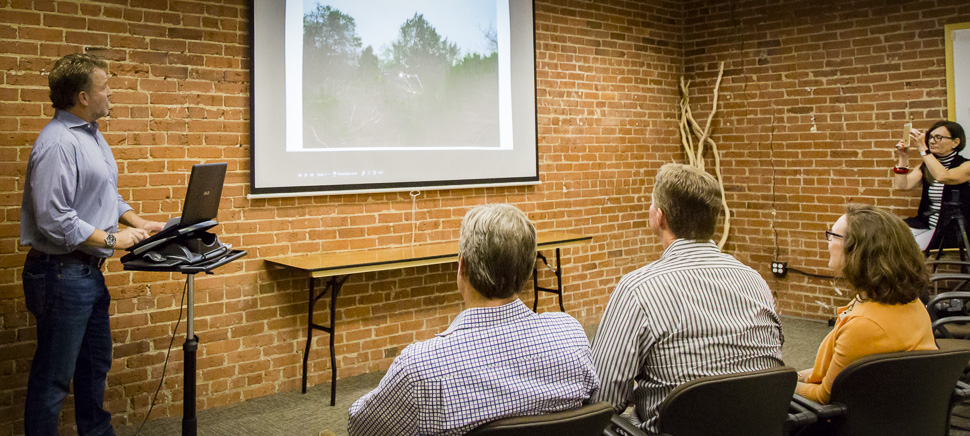
Photo: Rache Photography
Photo: Rache Photography
Photo: Rache Photography
Photo: Rache Photography
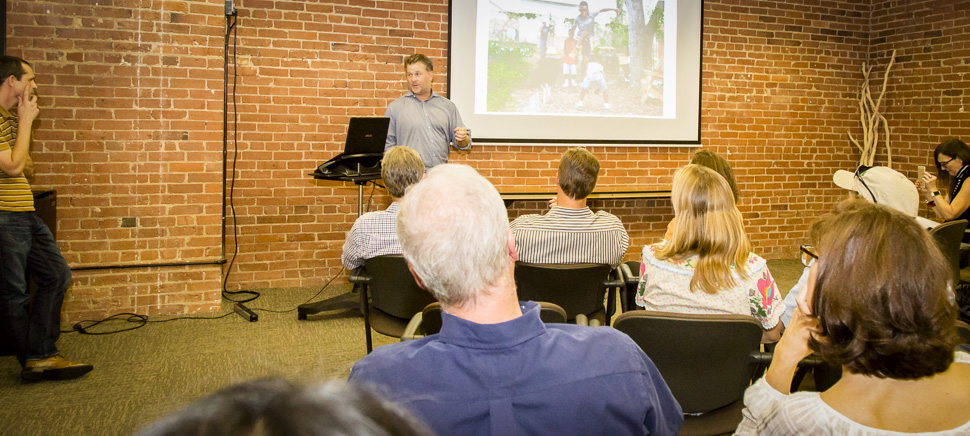
Photo: Rache Photography
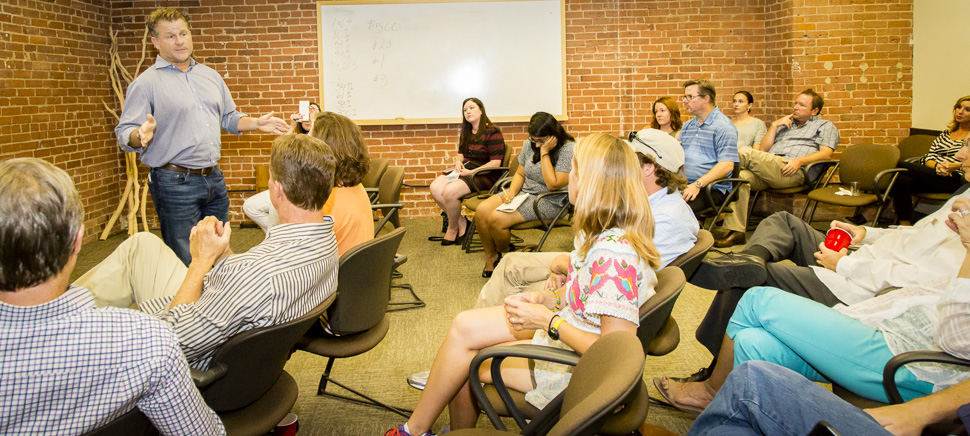
Photo: Rache Photography
Photo: Rache Photography
Photo: Rache Photography
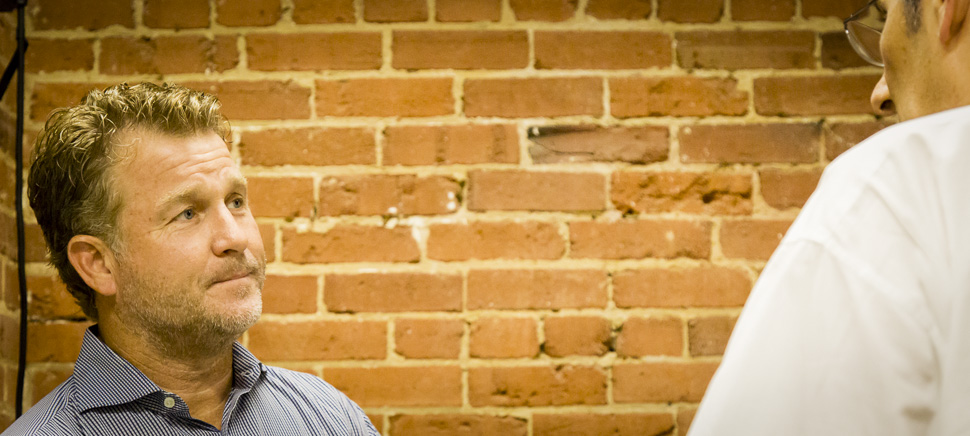
Photo: Rache Photography
![[Photo: Ishan Goel]](https://s24806.pcdn.co/wp-content/uploads/2016/08/Bonton_970_Ishan-GoelISHANGOELPHOTOGRAPHY-1507.jpg)
[Photo: Ishan Goel]
![[Photo: Ishan Goel]](https://s24806.pcdn.co/wp-content/uploads/2016/08/Bonton_970_Ishan-GoelISHANGOELPHOTOGRAPHY-1564.jpg)
[Photo: Ishan Goel]
![[Photo: Ishan Goel]](https://s24806.pcdn.co/wp-content/uploads/2016/08/Bonton_970_Ishan-GoelISHANGOELPHOTOGRAPHY-1560.jpg)
[Photo: Ishan Goel]
![[Photo: Ishan Goel]](https://s24806.pcdn.co/wp-content/uploads/2016/08/Bonton_970_Ishan-GoelISHANGOELPHOTOGRAPHY-1556.jpg)
[Photo: Ishan Goel]
![[Photo: Ishan Goel]](https://s24806.pcdn.co/wp-content/uploads/2016/08/Bonton_970_Ishan-GoelISHANGOELPHOTOGRAPHY-1538.jpg)
[Photo: Ishan Goel]
![[Photo: Ishan Goel]](https://s24806.pcdn.co/wp-content/uploads/2016/08/Bonton_970_Ishan-GoelISHANGOELPHOTOGRAPHY-1530.jpg)
[Photo: Ishan Goel]
![[Photo: Ishan Goel]](https://s24806.pcdn.co/wp-content/uploads/2016/08/Bonton_970_Ishan-GoelISHANGOELPHOTOGRAPHY-1526.jpg)
[Photo: Ishan Goel]
![[Photo: Ishan Goel]](https://s24806.pcdn.co/wp-content/uploads/2016/08/Bonton_970_Ishan-GoelISHANGOELPHOTOGRAPHY-1514.jpg)
[Photo: Ishan Goel]
![[Photo: Ishan Goel]](https://s24806.pcdn.co/wp-content/uploads/2016/08/Bonton_970_Ishan-GoelISHANGOELPHOTOGRAPHY-1513.jpg)
[Photo: Ishan Goel]
![[Photo: Ishan Goel]](https://s24806.pcdn.co/wp-content/uploads/2016/08/Bonton_970_Ishan-GoelISHANGOELPHOTOGRAPHY-1512.jpg)
[Photo: Ishan Goel]
![[Photo: Ishan Goel]](https://s24806.pcdn.co/wp-content/uploads/2016/08/Bonton_970_Ishan-GoelISHANGOELPHOTOGRAPHY-1511.jpg)
[Photo: Ishan Goel]
![[Photo: Ishan Goel]](https://s24806.pcdn.co/wp-content/uploads/2016/08/Bonton_970_Ishan-GoelISHANGOELPHOTOGRAPHY-1509.jpg)
[Photo: Ishan Goel]
For a daily dose of what’s new and next in Dallas-Fort Worth innovation, subscribe to our Dallas Innovates e-newsletter.
R E A D N E X T
-
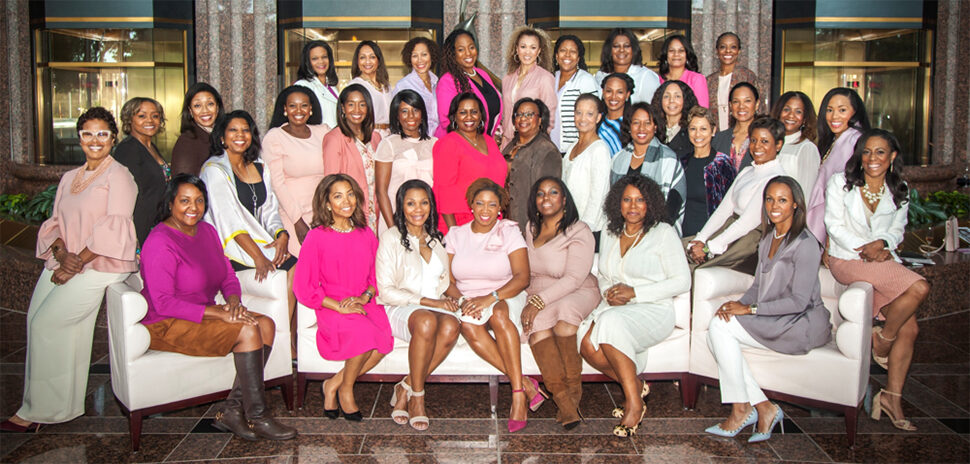
The Village Giving Circle at Texas Women's Foundation funds organizations and initiatives that positively impact the Black community in North Texas.
-
CBRE has launched a $7.25 million commitment to help combat climate change globally, improve educational and career development opportunities for racial minorities and disadvantaged populations across the U.S., and support community betterment efforts in Dallas—its headquarters city.
-
The American Rescue Act initiative aims to reduce barriers that underrepresented and underserved entrepreneurs often face in accessing the programs they need to recover, grow, or start their businesses. The Dallas Entrepreneur Center will use the grant to engage efforts with six Dallas-area organizations: Veteran Women’s Enterprise Center; LiftFund; TruFund; Dallas College; BCL of Texas; and WiNGS.
-
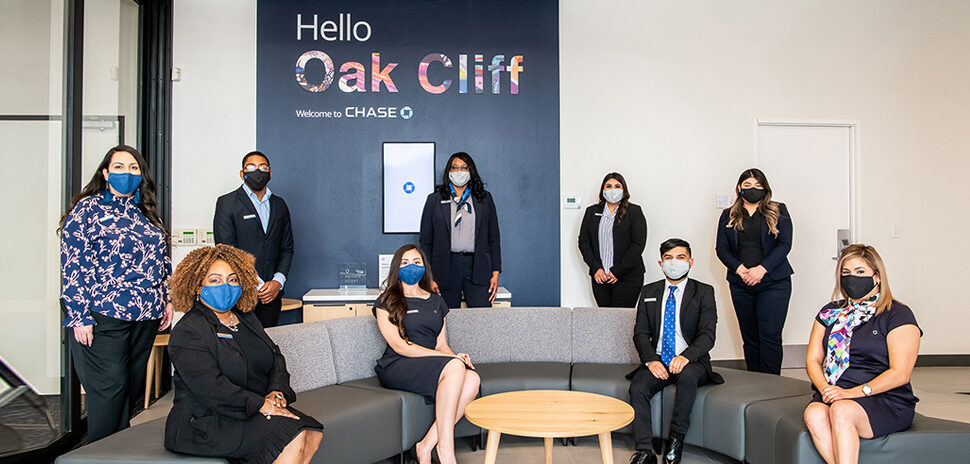
“Dallas is a city that booms north of I-30. Unfortunately, if you live south of I-30 all too often you only hear rumors of that boom,” Dr. Michael Sorrell, president of Paul Quinn College, said during Thursday's opening. “JPMorgan Chase is actively being a bridge builder. It is a repairer of the breach.”The community branch plans to help Black and Latinx consumers open bank accounts and start businesses as part of Chase's $30 billion commitment to advance racial equity and provide economic opportunities to underserved communities.
-

Mark Jones has been serving as Bonton Farms' interim president since July. The entrepreneur and philanthropist previously served as chairman of the nonprofit's board for three years, and has been affiliated with Bonton for five years.