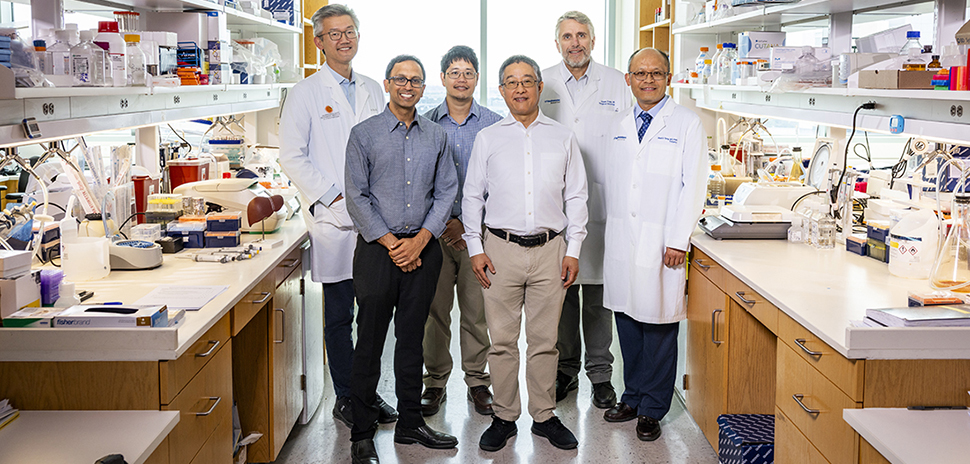
The National Cancer Institute has named UT Southwestern Medical Center’s Liver Tumor Program at the Harold C. Simmons Comprehensive Cancer Center a Specialized Program of Research Excellence (SPORE), awarding a $12 million, five-year grant to accelerate liver cancer prevention and treatment.
“We’re quite honored to be chosen as a liver cancer SPORE. Our selection speaks to the quality of science and the potential for discovery and advances in clinical research and care at UT Southwestern,” said Amit Singal, professor of internal medicine and in the Peter O’Donnell Jr. School of Public Health, medical director of the Liver Tumor Program, and chief of hepatology at UTSW.
Singal will co-lead the SPORE with Yujin Hoshida, professor of internal medicine and director of Liver Tumor Translational Research. Their mandate: turn UTSW discoveries into precision interventions that cut liver cancer incidence and mortality, with a special focus on hepatocellular carcinoma (HCC), which accounts for more than 85% of U.S. liver cancers, according to UTSW.
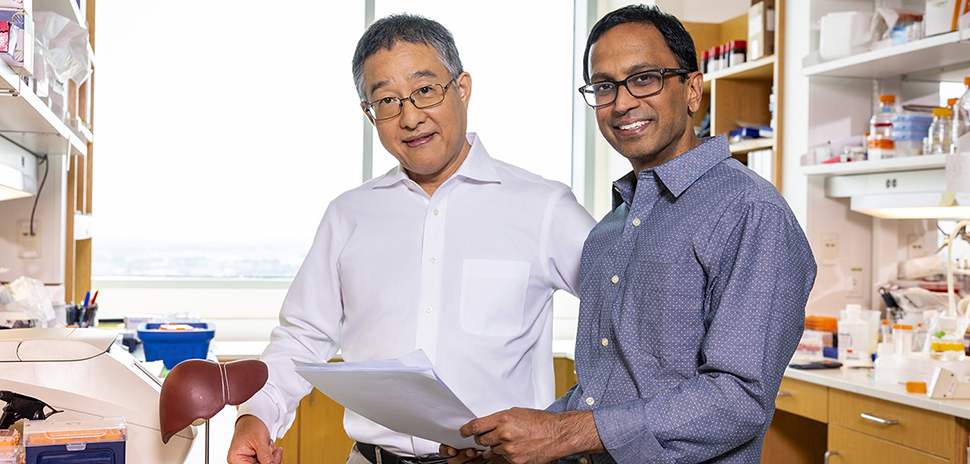
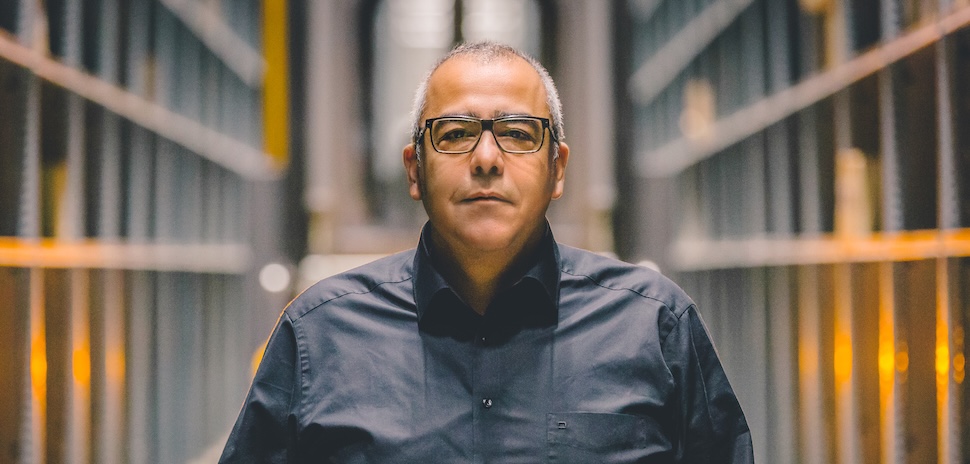
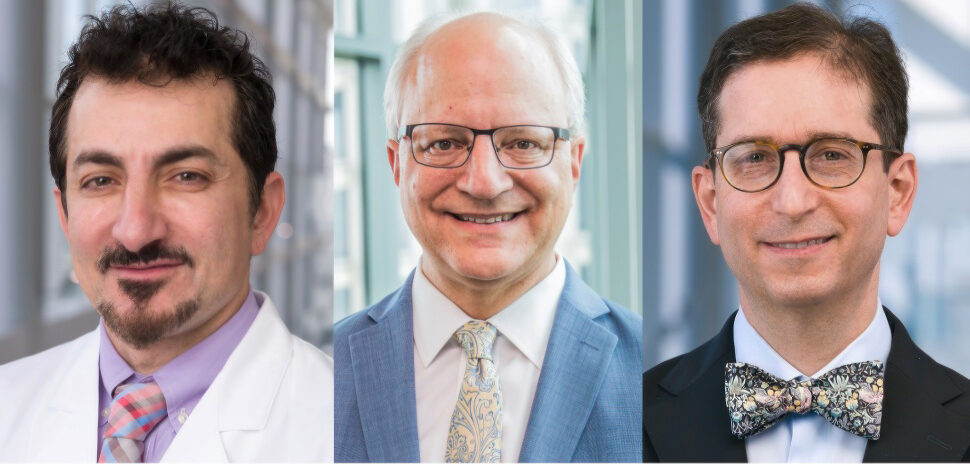
Yujin Hoshida, M.D., Ph.D., (left) Professor of Internal Medicine and Director of Liver Tumor Translational Research [Photo: UTSW]
UTSW said more than 42,000 new liver cancer cases—including HCC—are diagnosed each year in the United States, and more than 30,000 Americans die annually of the disease. Risk factors include cirrhosis from heavy alcohol use, metabolic dysfunction, viral hepatitis, and certain genetic variations. Those risks are common in Texas, which has one of the nation’s highest incidences of HCC, Hoshida said.
UTSW joins the Mayo Clinic and The University of Texas MD Anderson Cancer Center among the nation’s liver cancer SPOREs. “Our goal is to significantly improve liver cancer survival rates by refining the prevention and treatment of this disease through various new approaches,” Hoshida said.
Three research projects under the SPORE
The first, reducing the risk of developing HCC, led by Singal and Hoshida, will test a “chemoprevention” strategy in high-risk patients with cirrhosis. Prior UTSW work in animal models showed that the epidermal growth factor receptor (EGFR) promotes cirrhosis-driven HCC. By suppressing EGFR with erlotinib, researchers reduced HCC risk in mice—a result mirrored in a recent Phase 1 clinical trial in cirrhosis patients, UTSW said. The team plans a Phase 2 trial in a larger patient group, using a biomarker they identified—the prognostic liver secretome signature—as a proxy for HCC risk.
The second, preventing HCC recurrence after treatment—helmed by Hao Zhu, professor in the Children’s Medical Center Research Institute at UTSW and of internal medicine and pediatrics, and David Hsieh, associate professor of internal medicine—is a study targeting the high rate of tumor regrowth—about 50% to 70% within two years—in cirrhosis patients whose initial tumors were treated. Polyploidy (extra chromosomes in liver cells) has been shown to protect against HCC; prior Zhu Lab research found that reducing the protein anillin can induce polyploidy and cut HCC development. UTSW said a Phase 1 clinical trial will test this anillin-targeting strategy.
The third, improving immunotherapy to prevent recurrence—led by Daolin Tang, professor of surgery, and Adam Yopp, professor of surgery, division chief of Surgical Oncology, and surgical director of the Liver Tumor Program—aims to boost immunotherapy’s performance in the adjuvant setting.
While immunotherapy has shown promise for advanced HCC, its benefit after surgical tumor removal remains unclear. The team will test immune checkpoint inhibitors combined with a telomerase reverse transcriptase (TERT) inhibitor—an agent shown to selectively halt and kill HCC cells and activate a cancer-fighting subset of immune cells. A planned Phase 1b trial will assess safety and efficacy in patients undergoing surgery, UTSW said.
Building capacity: programs and cores
Beyond the three studies, UTSW said the SPORE will fund a Developmental Research Program for seed grants to launch high-risk, high-reward projects, and a Career Enhancement Program to support early-career scientists and clinicians in translational liver cancer research.
Three shared cores will support the work: an Administrative and Outreach Core for management and community engagement; a Biospecimen and Pathology Core to bank patient-derived tissue and blood samples; and a Data Science Core for biostatistics and bioinformatics.
“The successful funding of the liver SPORE is a major accomplishment of the Simmons Cancer Center. It represents an outstanding example of the multidisciplinary and collaborative science destined to have a major impact on the prevention and treatment of this lethal disease in the state of Texas and beyond as well as a testament to UTSW’s commitment for translational research,” said Carlos L. Arteaga, director of the Simmons Cancer Center and associate dean of oncology programs, in a statement.
UTSW said it also holds SPOREs in lung and kidney cancer. The institution notes six Nobel laureates among its faculty, along with membership in national academies and roles with the Howard Hughes Medical Institute. Its more than 3,200 full-time faculty provide care in 80-plus specialties, treating over 140,000 hospitalized patients and 360,000 emergency cases and overseeing nearly 5.1 million outpatient visits annually.
Don’t miss what’s next. Subscribe to Dallas Innovates.
Track Dallas-Fort Worth’s business and innovation landscape with our curated news in your inbox Tuesday-Thursday.
R E A D N E X T
-
UTA and UT Southwestern researchers have built BIT, a new computational framework that helps scientists identify the proteins that switch genes on and off in cancer and other diseases. The work could pave the way to more targeted treatments and boost gene research accuracy.
-
Funding 25 projects across 17 institutions, the Dallas-founded nonprofit is prioritizing metastatic disease, precision medicine, and closing care gaps.
-
The new federal Alzheimer's hub joins an elite network of 37 centers nationwide. Scientists from UT Southwestern, UT Arlington, and UT Dallas will decode dementia by exploring hypertension's role, analyzing voice patterns with AI, and creating virtual patient models.
-
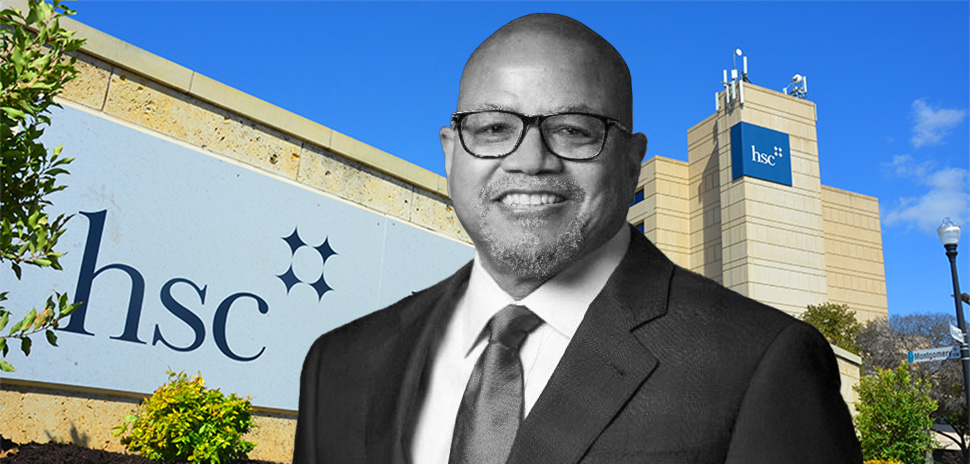
Dr. Kirk Calhoun was named interim president following the resignation in January of UNTHSC President Sylvia Trent-Adams.
-

Charisma, a social coaching program developed by the Center for BrainHealth, uses generative AI and gaming technology to create realistic virtual environments, helping individuals improve social skills with the guidance of a coach—and now it’s scaling up with AWS.