For years, high school students and their parents thought majoring in computer science in college was a solid plan for a well-paying career. Now, Texas college students are turning away from it and other AI-exposed majors, new research from the Federal Reserve Bank of Dallas finds.
In the study, Dallas Fed economists Samuel Dodini and Tucker Smith examined enrollment at Texas public universities. They found that the more AI can automate the typical jobs held by a particular major, the more enrollment in that major fell. Computer science, computer engineering and languages were among the most exposed fields. The least exposed fields include nursing, education and psychology.
Contributing to that decline, the researchers suggest, is students seeing recent graduates struggling to find jobs impacted by AI automation.
The arrival of ChatGPT
The researchers used the 2022 release of ChatGPT, now a widely adopted AI tool, as a dividing line.
After ChatGPT’s rollout, recent graduates in more exposed majors at Texas public universities saw their job prospects shrink. Data showed a 1.7-percentage-point decline in the likelihood of finding employment in Texas within a year of graduating compared with graduates from less exposed majors. Furthermore, first-year earnings for graduates who found jobs in Texas fell roughly 5% from 2021 to 2024 for students in more exposed majors compared with peers with less-exposed majors.
“Even in the absence of layoffs, a pullback in hiring in these disproportionately white-collar jobs would harm individuals entering the labor market for the first time,” the study said.
Major issues
To avoid a soft job market, some 2024 Texas bachelor’s degree recipients in highly exposed fields leaned toward enrolling in graduate school, the study said.
For every 10 percentage points of added AI exposure, a major’s graduates were 1.4 percentage points more likely to enroll in graduate school. Most kept studying the same subject, though. For instance, two-thirds of 2024 computer science graduates who returned to school the following fall enrolled in a computer science program.
“The earnings records of recent master’s degree recipients suggest there may be limited returns to formal upskilling in AI-exposed fields,” the study said.
Exposure to AI
The study suggests fall 2025 marked a turning point for enrollment in computer science and other AI-exposed majors in Texas.
As part of their study, the Dallas Fed researchers assigned an AI exposure score to every major at public universities in Texas. The score measured the share of tasks in major-related jobs that AI can perform.
For every 10-point gap in the score, enrollment in more-exposed majors fell 4.8% from fall 2024 to fall 2025, the study said.
In other words, the more a major’s typical jobs could be automated by AI, the more enrollment fell compared with other majors.
Higher ed efforts in DFW
To prepare students for careers increasingly dependent on AI, colleges and universities in Dallas-Fort Worth continue to introduce AI programs. This dovetails with the study’s conclusion that students need skills that complement AI.
Here’s a rundown of recent DFW academic developments in AI.
The College of Engineering at the University of North Texas in Denton introduced an undergraduate major in AI.
The University of Texas at Arlington College of Business launched bachelor’s and master’s degree programs in AI for business.
A new undergraduate degree program at Texas Wesleyan University in Fort Worth pairs AI with humanities.
The Cox School of Business at Southern Methodist University in University Park welcomed its first students in the new master’s degree program in AI for business.
Texas Christian University in Fort Worth launched an AI certificate program.
Tim Doll, CEO of Precocity, a Richardson-based tech consulting firm, said simply teaching students how to use AI falls short of what they need to be competitive in the workforce.
“When students ask me whether it’s worth learning something AI can already do, I tell them to pick a vertical and go deeper than everyone else in the room,” Doll told Dallas Innovates. “Learn the tools, absolutely. But also know the subject well enough to know when the tools are wrong.”
AI training at community colleges
Charlotte Dungan, chief learning officer at the Dallas-based Mark Cuban Foundation, said AI now touches nearly every career field, not just tech. Employers expect graduates to use it responsibly and to spot when its output needs a second look, she said.
“The goal should not be simply knowing that AI exists,” Dungan told Dallas Innovates. “It should be agency — the ability to use AI thoughtfully to solve real problems, make good decisions and create new opportunities for yourself and your community.”
Fortunately, said Dungan, you don’t need a computer science degree to pick up AI skills.
For example, the Mark Cuban Foundation recently launched the first pilot of its Agentic AI Academy in partnership with Dallas College’s Brookhaven campus. Over the course of five days in August, participants built websites, professional branding kits, job search tools and other projects tied to their career goals. The foundation plans more pilots and hopes to expand to other community colleges.
R E A D N E X T
-

North Texas has plenty to see, hear, and watch. Here are our editors' picks. Plus, you'll find more selections to "save the date."
-
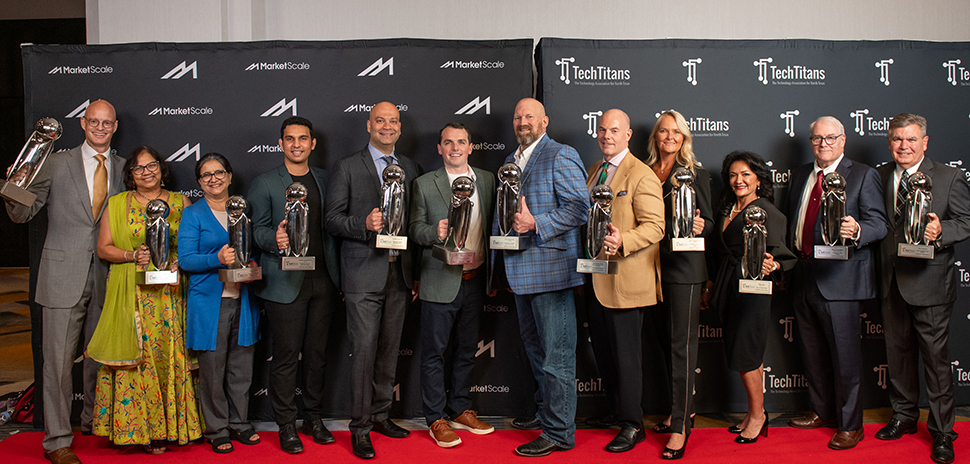
The awards program spotlights visionaries, early adopters and trailblazers who are propelling innovation and shaping the future of North Texas tech.
-
The Dallas-based foundation is partnering with New York City worker advocacy nonprofit Lift Our Voices on the free Agentic AI Academy, a five-day pilot for community college learners.
-

The startup, led by ex-Remington Hospitality CEO Sloan Dean, relies on 60-plus AI agents to perform back-office tasks so hotel staff can focus on guests.
-
You'll find deadlines coming up for a new accelerator program; and many more opportunities.
-
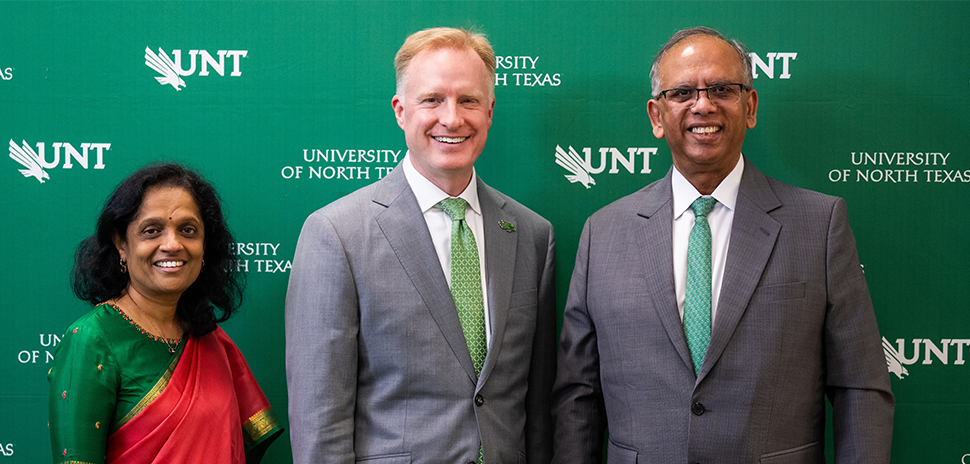
The gift from University of North Texas alum Vikas Sinha and his wife, Anuradha, is the couple’s third to UNT since 2024. It also funds six new endowments for scholarships, research and entrepreneurship.
-

New CBRE research points to a maturing tech workforce in North Texas, fueled partly by the Y’all Street financial services boom.
-
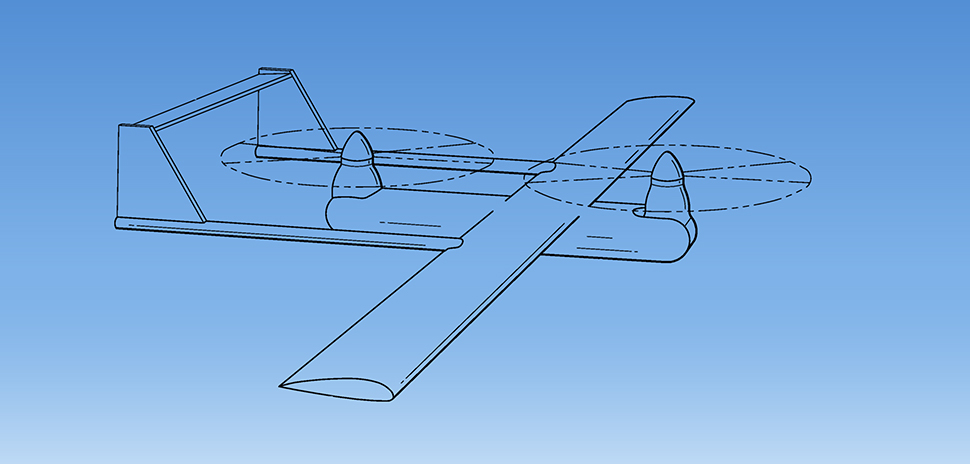
Dallas-Fort Worth ranked No. 8 for patent activity out of 250 metros for the week of July 14 with a total of 177 patents granted.
-
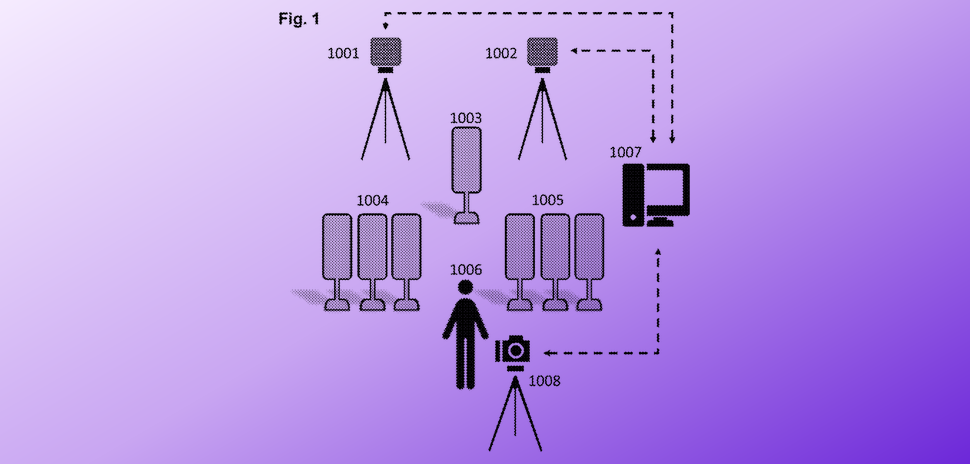 Patented: Nanoscope Instruments' Low-Vision Function Test and 134 More Inventions Across North Texas
Dallas-Fort Worth ranked No. 9 among 250 U.S. metros in patent production for the week of Aug. 11, with 135 patents granted to inventors and companies across the region.
-
The Dallas-based Colossal Biosciences spinout, now valued at $3.8 billion, is preparing forecasting pilots in health and biosecurity as it scales the model behind its predictions.