MORE►
researchers
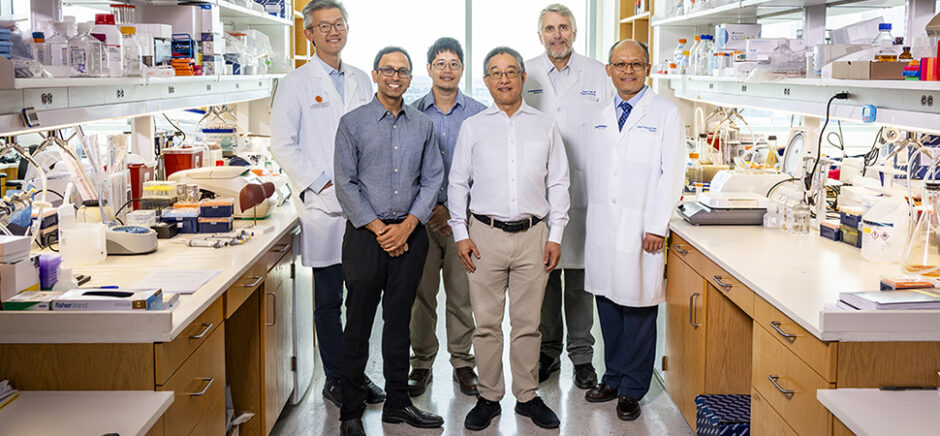
The principal investigators at UT Southwestern Medical Center involved in the Specialized Program of Research Excellence (SPORE) for liver cancer are (from left) Hao Zhu, M.D.; Amit Singal, M.D., M.S.; David Hsieh, M.D.; Yujin Hoshida, M.D., Ph.D.; Adam Yopp, M.D.; and Daolin Tang, M.D., Ph.D. [Photo: UTSW]
UT Southwestern Wins $12M NCI ‘SPORE’ for Liver Cancer
by Lance Murray | Sep 18, 2025
UT Southwestern in Dallas will lead three liver cancer projects on prevention, recurrence, and immunotherapy. It joins Mayo Clinic and MD Anderson as a national NCI SPORE site, a program that moves discoveries into clinical trials.


by Lance Murray |
Sep 11, 2025
The discovery reveals why people may be more susceptible to infections at certain times of day—and could open new paths for cancer immunotherapy and infection treatments.
MORE►
by Lance Murray |
Aug 24, 2025
The breakthrough could impact industries from aerospace to energy. “This new method can revolutionize the material science field,” says lead researcher Amin Salehi-Khojin.
MORE►
by Lance Murray |
Jul 24, 2025
Using a new tool developed at UT Southwestern Medical Center, researchers identified a gene that seems to be key in regulating food intake, offering a different pathway for potential obesity treatments.
MORE►

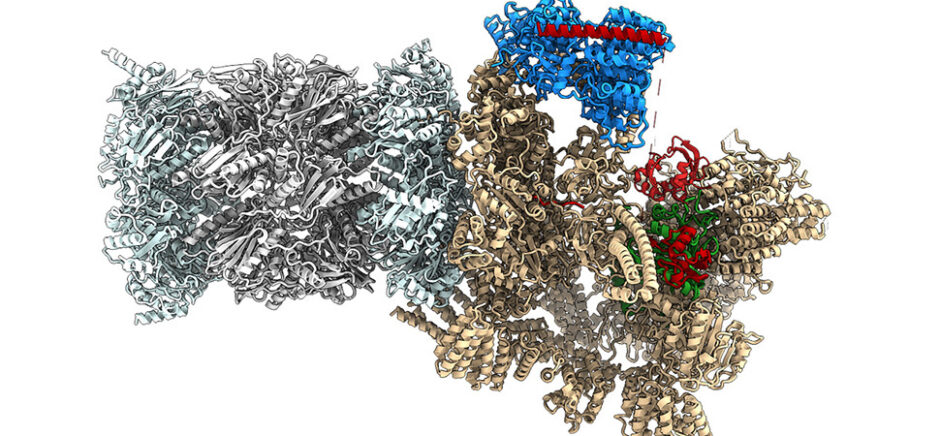
In this image, the proteasome—a cell’s protein disposal system—is shown in tan and grey. A protein called midnolin (in red) connects with two key parts of the proteasome, RPN1 (blue) and RPN11 (green), to help deliver damaged or unwanted proteins for breakdown. This interaction helps keep cells healthy by clearing out the cellular junk. [Image: UTSW]
UT Southwestern Maps a Cancer-Enabling Protein That Lets B-Cell Tumors Hang On—With a Nobel Laureate on the Case
by Lance Murray | Jun 16, 2025
The protein—implicated in blood cancers like leukemia, lymphoma, and multiple myeloma—was decoded in near-atomic detail by UT Southwestern researchers, including Nobel Prize winner Bruce Beutler. In lab models, turning off midnolin wiped out up to 92% of cancer cells—with minimal impact on healthy ones, according to UT Southwestern.
MORE►

by Lance Murray |
May 2, 2025
A UT Southwestern study of blind fruit flies and mice reveals a brain-wide stress response, shedding light on the biological link between sensory loss and dementia.
MORE►
by Lance Murray |
Feb 18, 2025
Lithium nickel oxide, a promising material for next-gen, longer-lasting batteries, keeps failing during charging. Now a UTD team says it's found a fix to make it viable for commercial use. The researchers plan to manufacture test batteries in their robotics lab before seeking industry partners to take them to market.
MORE►

by Lance Murray |
Feb 4, 2025
The strategy—which is used by companies to poach customers from competitors by offering targeted ads to consumers' mobile devices based on their physical location—may benefit advertisers more than their business clients, UT Dallas researchers contend.
MORE►

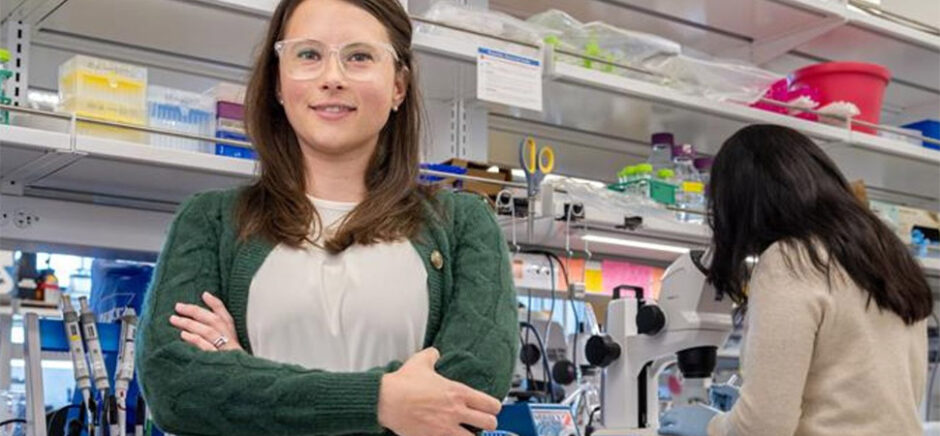
Alicia Rogers, UTA assistant professor of biology [Photo: University of Texas at Arlington]
Gene Regulation: UTA Researchers Use $1.8M Federal Grant to Study How RNAi Affect Human Health
by Lance Murray | Jan 18, 2025
The project, led by Assistant Professor of Biology Alicia Rogers, could lead to improved genetic knowledge that may aid in the development of synthetic therapies to prevent or treat diseases, including cancer.
MORE►

by Lance Murray |
Jan 16, 2025
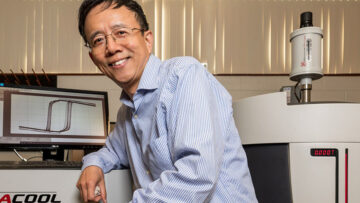
The project, led by UTA physicist J. Ping Liu, seeks to make the mining of critical rare earth elements more cost-efficient and environmentally sustainable by using cheaper, more abundant materials—helping to boost U.S. production of high-performance magnets.
MORE►

by Lance Murray |
Dec 17, 2024
“Helping to stop the spread of chytrid is a necessity to ensure healthy ecosystems globally,” said Colossal Foundation Director Matt James. “This isn’t optional. We have to give frogs a fighting chance and ensure they remain a vital part of our planet’s biodiversity for generations to come."
MORE►

by Lance Murray |
Nov 14, 2024
SMU researchers and the Southern Dallas Inland Port Transportation Management Association are working with officials from Wilmer and Arlington to address air quality challenges caused by heavy truck traffic around key logistics hubs in the region. Professors from SMU's Lyle School of Engineering are bringing their expertise in remote sensing and transportation to bear on the EPA-funded project.
MORE►


[Sources: Visual Generation/istockphoto; DI Studio]
UTA Researchers Create Software to Prevent AI-Generated Scams
by Lance Murray | Jul 18, 2024
Almost everyone is concerned about online scams that seek to drain people’s bank accounts or steal their identities, and with the increasing presence of artificial intelligence in our lives, that concern has taken an even more dramatic turn as cybercriminals have been using the technology to design scams.
Now, researchers at the University of Texas at Arlington have developed software they said prevents artificial intelligence (AI) chatbots such as ChatGPT from creating phishing websites....
MORE►
by Lance Murray |
Jul 17, 2024
Researchers at UT Southwestern Medical Center in Dallas have identified a compound that selectively eliminates cancer cells while sparing immune cells in a form of cell death known as ferroptosis, according to a news release.
UTSW said the findings, published in Science Translational Medicine earlier this year, could lead to new treatments for a wide variety of cancer types....
MORE►
by Lance Murray |
Jul 10, 2024
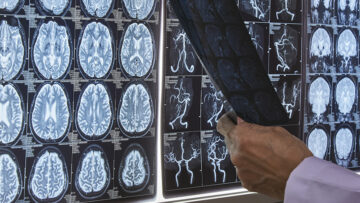
The grants came out of a workshop for researchers with a focus on Progressive Supranuclear Palsy (PSP) and Frontotemporal Dementias (FTDs), part of a class of debilitating neurodegenerative diseases that may shorten a person's lifespan, and for which no current treatments exist.
MORE►
by Lance Murray |
Jun 26, 2024
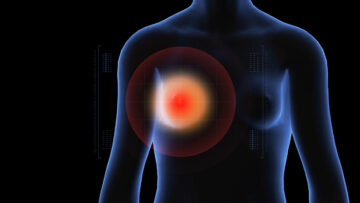
Dallas-based Komen said the 32 grants will further cutting-edge breast cancer research being done at 27 prestigious institutions worldwide and continue its longstanding support of breast cancer researchers early in their careers, as well as the world’s leaders in the field.
MORE►