Dallas ranked among the nation’s leaders in adaptive reuse based on the most recent full-year data available, as building-to-apartment conversions hit a record high across the U.S., according to a RentCafe report.
Nationwide, nearly 25,000 apartments were created from converted buildings last year, making it the strongest year on record for adaptive reuse and about 50% higher than the previous year, RentCafe said.
In 2024, Dallas delivered 698 apartments through adaptive reuse projects—the fourth-highest total among U.S. cities—while narrowly missing the top spot for office-to-apartment conversions.
Chicago led the nation overall with 880 apartments created through adaptive reuse, followed by Denver with 789 and Philadelphia with 761.
Office towers and hotels drive Dallas activity
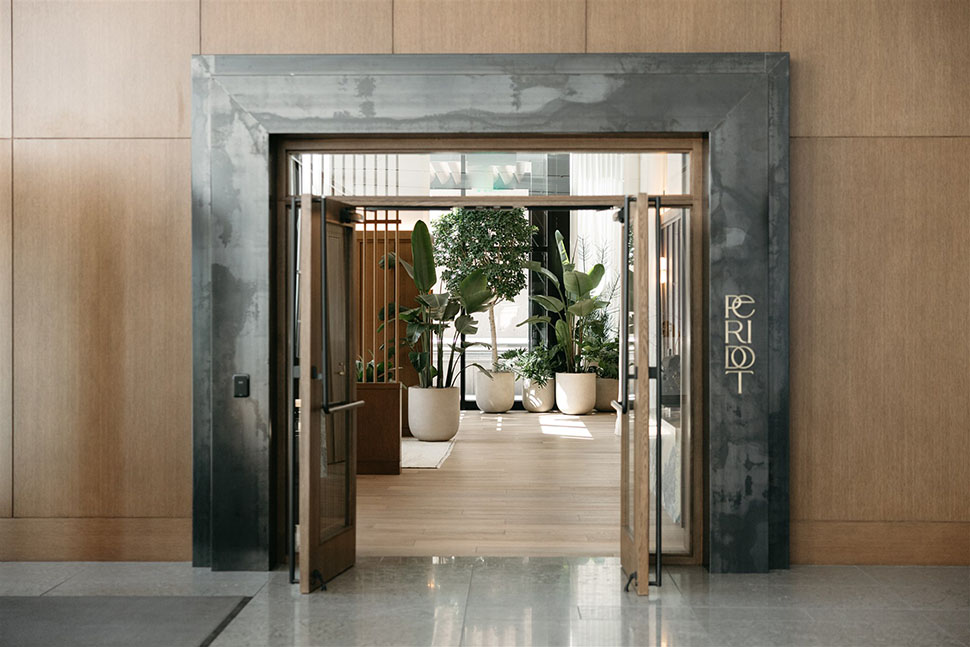
RentCafe said that in Dallas, three adaptive reuse projects were completed in the city last year, including the makeover of the 50-story Santander Tower. That $40 million office-to-residential conversion created 291 units under the name Peridot Residences.
That project is continuing to evolve. This fall, construction began on phase two of Pacific Elm Properties’ adaptive reuse of Santander Tower, adding 105 more apartments as five additional office floors are converted to residential use, as Dallas Innovates previously reported. The expansion further builds out Peridot Residences as part of a mixed-use high-rise that now includes apartments, a boutique hotel, office space, dining and retail, and the Tower Club.
Looking ahead, Dallas has the ninth-largest adaptive reuse pipeline in the country, with nearly 3,000 apartments in various stages of redevelopment. About 80% of those projects involve office-to-residential conversions, RentCafe said.
Hotels reclaim the lead nationally
While office conversions remain a major contributor, hotels emerged as the most common source of adaptive reuse nationally in 2024.
Hotel-to-apartment projects delivered more than 9,100 rental units last year, compared with roughly 5,900 units from office-to-apartment conversions, RentCafe said. Hotels now account for nearly 37% of all adaptive reuse projects nationwide, followed by office buildings at about 24%, industrial properties at roughly 20%, and schools at 8%.
RentCafe said the resurgence in hotel conversions is being driven by squeezed profit margins, rising operating costs, uneven demand, a slowdown in the post-pandemic recovery, higher interest rates, and looming debt maturities. Together, those pressures have prompted many hotel owners to sell, fueling a wave of conversions into residential use.
Quincy Preston contributed to this report.
Don’t miss what’s next. Subscribe to Dallas Innovates.
Track Dallas-Fort Worth’s business and innovation landscape with our curated news in your inbox Tuesday-Thursday.
R E A D N E X T
-
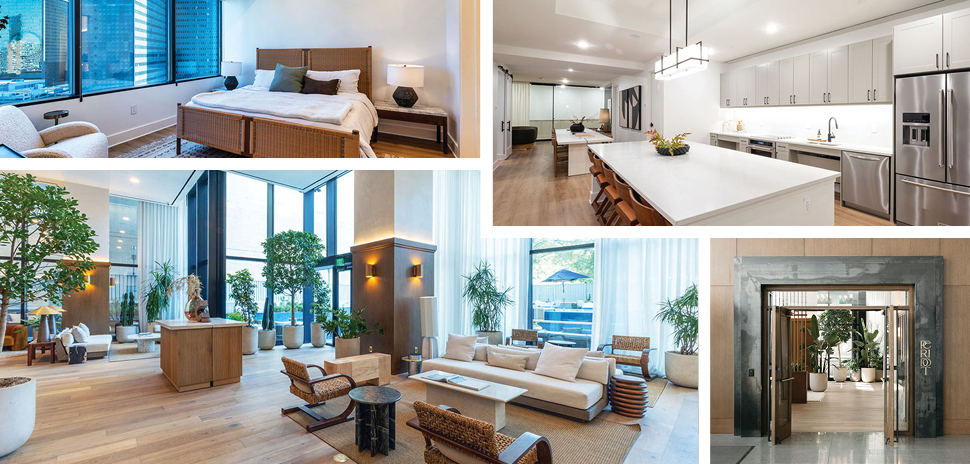
In the latest phase of Pacific Elm’s adaptive reuse of Dallas' eighth tallest office tower, conversion of five more floors will add 105 residences to the mixed-use high-rise in the city’s urban core.
-

Paul Allen’s Ashla platform has already backed Dallas ventures including Mother, a modern plumbing company, and Stonethrow, a private family club founded by Nick Clark and Dawson Williams.
-

Mike Noel takes over the role from Jorge Corral, who led Accenture in North Texas for nearly 10 years. Corral will continue his ongoing role leading Data and AI for Accenture’s Resources Industry group.
-

With a Dallas office now established, CrossCountry Consulting is scaling its presence across DFW, Houston, and Austin-San Antonio. The firm says demand for CFO-focused advisory services is accelerating across the Southwest—and it’s staffing up to meet it.
-

The Chicago-based firm said its Texas office Capital Markets team offers comprehensive institutional coverage across the state and the broader capital markets landscape, now bolstered by the additions of Russell Ingrum, Jared Chua, and Matt Murphy.