Dallas jumped 11 places to No. 27 among the world’s startup ecosystems in the 2026 Global Startup Ecosystem Report. It’s the region’s highest finish yet in the annual ranking and one of the largest leaps in this year’s global top tier.
The new report, released June 17 by Startup Genome and the Global Entrepreneurship Network, credits the move to the region’s growing strength and increasing startup activity.
Dallas’ rise was the second-biggest climb of any Top 40 ecosystem, trailing only Austin, which rose 12 places to No. 18. Together, the Texas ecosystems were among the year’s biggest movers as North America increased its share of global late-stage startup funding to 64%, up from 56% in 2021.
In Startup Genome’s rankings, the Dallas ecosystem includes startups and support organizations across Dallas-Fort Worth. The report defines a startup ecosystem as “a shared pool of resources, generally located within a roughly 62-mile radius around a center point in a given region.”
Dallas’ $51 billion ecosystem
The annual GSER ranks the world’s leading startup ecosystems using data from more than 5.5 million companies across more than 350 innovation ecosystems. Silicon Valley, New York City, and London held the top three spots this year, while Dallas ranked No. 27, between Sydney and Hangzhou.
Startup Genome’s profile of the Dallas ecosystem puts numbers behind the climb. It values the Dallas ecosystem at $51 billion for the second half of 2023 through 2025, roughly double the $25 billion global average, though below the $57 billion regional average.
According to the report, early-stage funding reached $1.1 billion, topping both the $554 million global average and the $1 billion regional average. Exits from 2021 through 2025 totaled $23 billion, about three times the $7.6 billion global average and well above the $13.4 billion regional average.
Dallas also received high marks as an R&D market.
Dallas first appeared on the GSER list in 2020, when the ecosystem debuted as a new entrant in the “runners-up” tier just outside the Top 30, cited for its market reach and research scores. The 2021 report noted the region had minted its first unicorn, supply-chain software firm o9 Solutions, which Dallas Innovates reported reached a valuation above $1 billion in April 2020 after an investment from KKR. Dallas ranked at 31 both years.
The 2026 Global Startup Ecosystem Report, published by Startup Genome and the Global Entrepreneurship Network, was unveiled at VivaTech in Paris, France, on June 17. [Image: Startup Genome]
AI reshapes the map
While the top three rankings were unchanged from last year, Silicon Valley remained far ahead of the field, its ecosystem value now exceeding $3 trillion, nearly three times that of the next-largest ecosystem.
Dallas rose during a year when startup value rebounded globally but became increasingly concentrated in a handful of U.S. ecosystems, according to the report.
The recovery has arrived, Startup Genome said in a release, “but AI is determining who benefits from it.”
Global Ecosystem Value, which Startup Genome defines as the sum of exit and funding valuations over the past two and a half years, grew nearly 40% in a year to $10.9 trillion. But of the $2.8 trillion in new value, Silicon Valley alone captured $1.1 trillion, with Los Angeles adding $650 billion and New York City $100 billion, leaving three U.S. ecosystems with roughly two-thirds of the world’s growth.
Startup Genome put artificial intelligence at the center of that divide, calling it “no longer a horizontal tech sub-sector, but the central force reshaping where capital flows, where talent concentrates, and where startup value is created.” Its impact is “deeply uneven,” the firm said: 86% of all late-stage funding to AI-Native startups—companies built around AI from formation—flows to North America.
According to Startup Genome, the concentration of startup value in a few U.S. ecosystems raises questions for governments trying to build their own startup economies. In a post, Founder and CEO JF Gauthier said the report shows “a concerning re-concentration,” with governments “importing U.S. solutions” instead of funding local startup ecosystems of their own.
The GSER, which draws on data from Dealroom, Crunchbase, PitchBook, and Strategy Tools, is produced by Startup Genome, a San Francisco-based innovation-ecosystem research and advisory firm. The annual ranking is a guide for policymakers and founders, built to help cities and countries, in Startup Genome’s words, “capture their fair share of the new economy.”
Philadelphia slides as Dallas and Seattle climb
The Dallas ecosystem was called out among the year’s biggest movers, alongside Austin, Toronto-Waterloo, Seattle, and Stockholm. Seattle climbed five spots to No. 10, Toronto-Waterloo rose seven to No. 13, and Stockholm jumped eight places to No. 23.
Not every ecosystem gained ground. Philadelphia took a 20-spot drop to No. 33, according to the report. Per Startup Genome, nearly all Chinese ecosystems in the top 40 slipped. The exception was Wuxi, which made an impressive climb of six positions to No. 36.
Execution still decides who rises
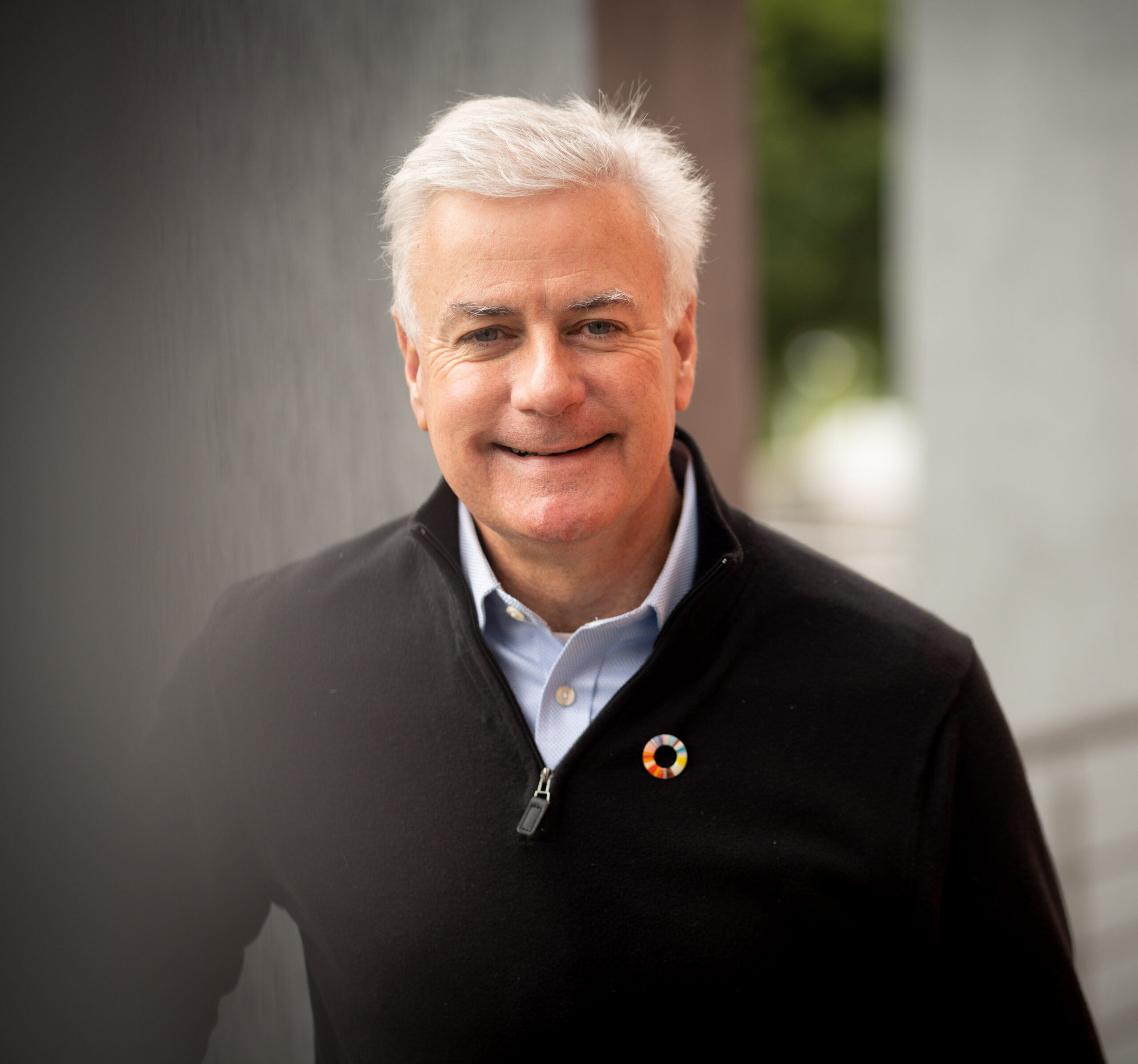
Jonathan Ortmans, president of the Global Entrepreneurship Network
Jonathan Ortmans, president of the Global Entrepreneurship Network, noted that concentration of startup value is not a foregone conclusion. In a LinkedIn essay titled “Concentration is a Choice,” he wrote that AI has changed the speed of the race rather than its fundamentals. “AI did not rewrite the rules of this race,” he wrote. “It rewrote the timetable.”
Leading hubs pull away faster, Ortmans wrote, even as that speed leaves openings for newcomers that execute. He pointed to China’s slide as proof that “incumbency guarantees nothing. Strategy, focus, and execution still decide who rises and who falls.” Governments pouring money into hardware are missing the point, he wrote: “Building a data center is not the same as building an ecosystem.”
The fundamentals have not changed, according to Ortmans: “AI compressed the clock, not the conditions.”
For the cities now climbing the rankings, Dallas among them, Ortmans sees what comes next as a test of follow-through. “Ambition is the essential first step,” he wrote, “but execution is the discipline that separates the cities that talk about the AI era from the cities that build it.”
Don’t miss what’s next. Subscribe to Dallas Innovates.
Track Dallas-Fort Worth’s business and innovation landscape with our curated news in your inbox Tuesday-Thursday.
R E A D N E X T
-

North Texas has plenty to see, hear, and watch. Here are our editors' picks. Plus, you'll find more selections to "save the date."
-
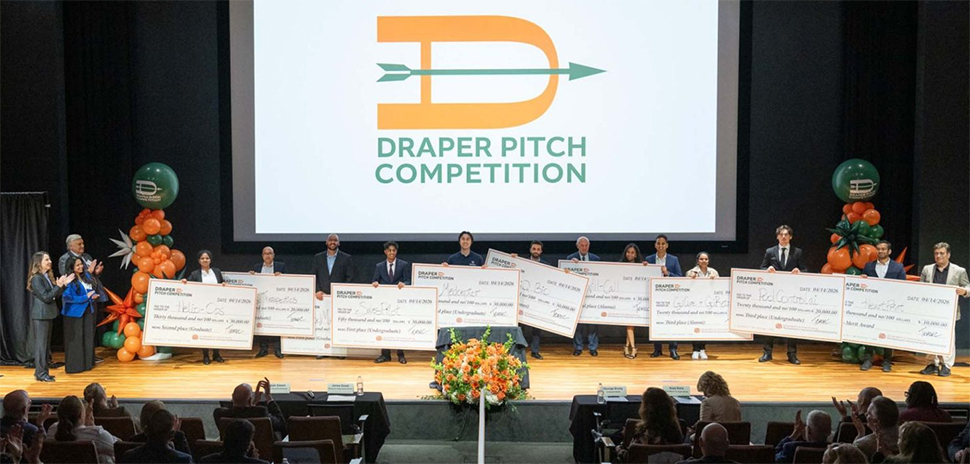
Nine student and alumni teams made the finals in three tracks: undergraduate, graduate student, and alumni. Winning ideas ranged from AI sales coaching to radiation mapping and noninvasive brain drug delivery as the university’s entrepreneurship push continues to scale.
-
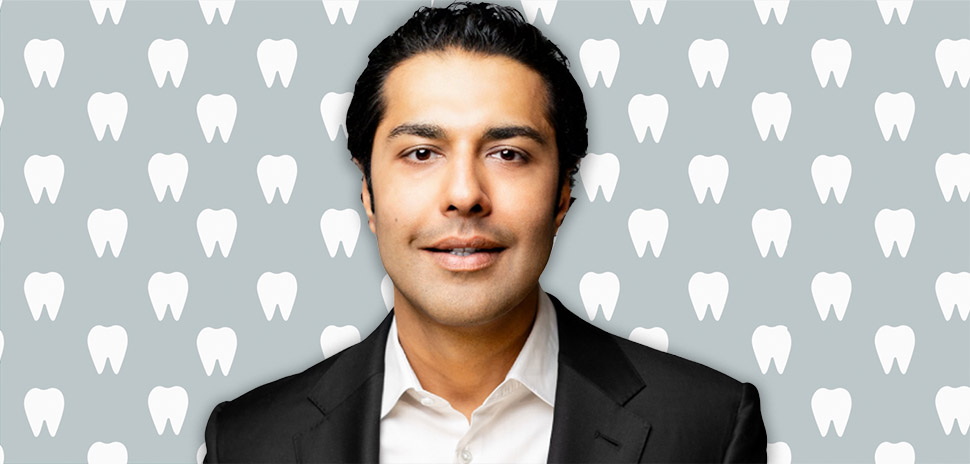
The DECA Dental founder returned to his alma mater to keynote UT Dallas' record-breaking Draper Pitch Competition. He told student founders what it really takes.
-
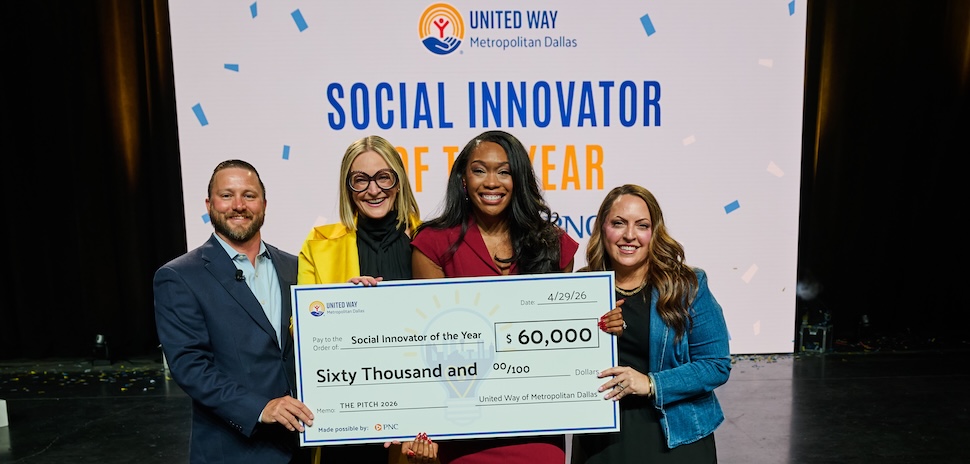
The Dallas-based reproductive health platform offers a cycle-tracking app for logging cycles and managing conditions like endometriosis and PCOS. It was one of five finalists taking part in North Texas' premier social innovation competition.
-
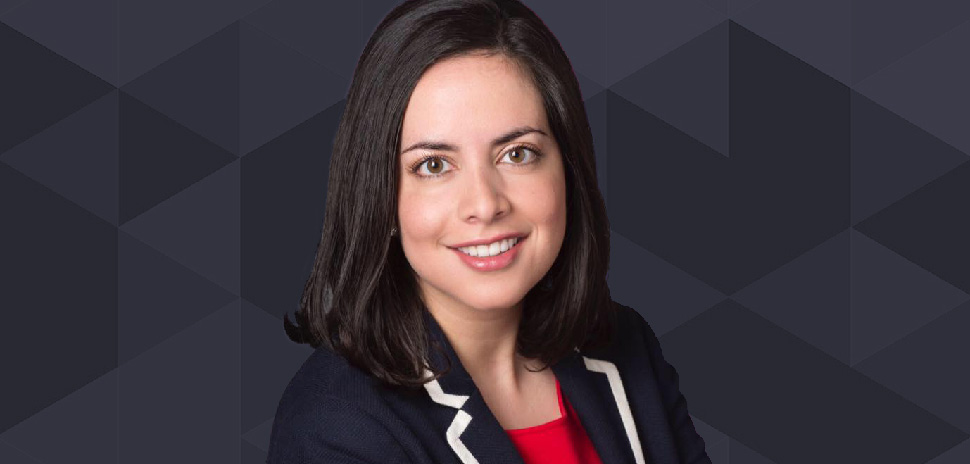
“Dallas is a city on the rise—a magnet for capital, talent, and ideas," Luisa del Rosal said. "I look forward to working with the board, our members, and partners to amplify ECD’s role as a premier forum for the conversations that will define our economic future."
-
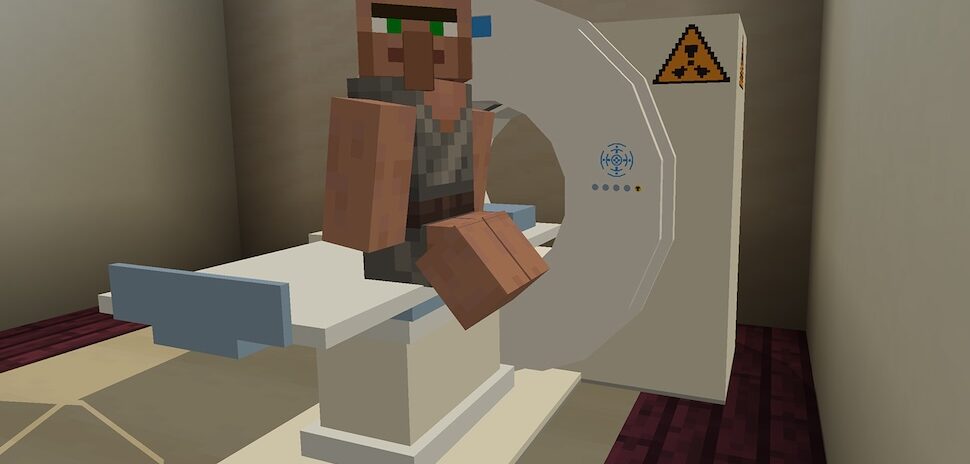
Using a digital twin of Parkland Memorial Hospital for its blocky hospital, UTD's MCAT prep course playbook was designed by IvyBee, a Plano-based startup founded and led by Dr. Walter Voit, founder of UTD's Center for Engineering Innovation.
-
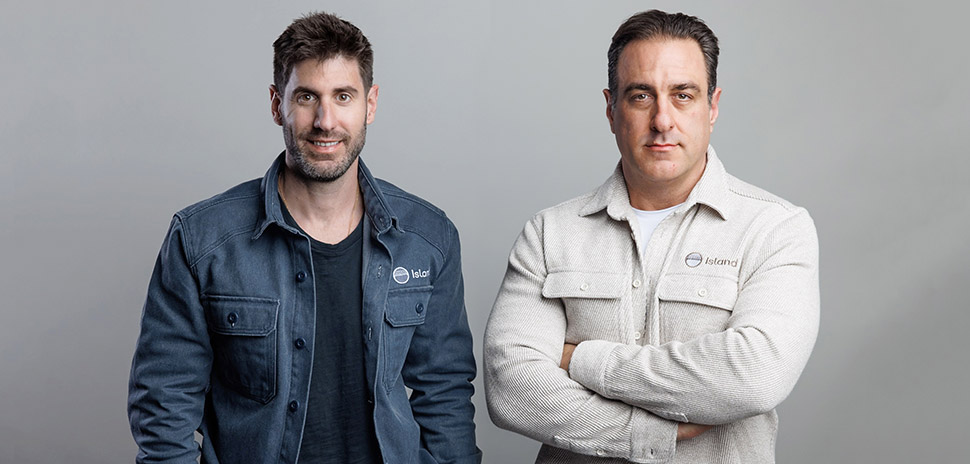
The nearly $5 billion startup ranked No. 28 on CNBC’s 2026 list alongside AI giants Anthropic, OpenAI and Databricks—making it the highest-ranked Texas company and the only Dallas-Fort Worth company in this year’s lineup.
-
Solidion's Gen-ECB battery platform uses the thermal conductivity and radiation resistance of graphene to regulate temperature within battery cells, capable of operating reliably from −80°C to +60°C—with ongoing development aiming for even broader temperature ranges for deep-space missions, the company said.
-

Inspired by spas and natural springs from around the world, WorldSprings opened in June 2024 with 46 "expertly formulated" mineral pools spread out over nearly 10 acres. Now some of those pools are soothing the bruises and muscle strains of Cowboys players and cheerleaders alike.
-
Since joining the nonprofit in 2015, Dawn Townsend has played a pivotal role in advancing the organization's mission and visibility, originally leading its marketing and communications efforts, the foundation said.