AT&T, T-Mobile, and Verizon have announced plans to partner on a new joint venture with the goal of ending wireless dead zones in the U.S., including in rural areas. They’ll do that by pooling limited spectrum resources to boost capacity, improve the customer experience, and help satellite providers reach more customers through a unified platform, AT&T said.
By using satellite-based technologies to address coverage gaps—especially in unserved and underserved communities—the partners aim to improve convenience for their customers, allow for more competition, and nurture innovation and growth within the industry, the companies said. Details of the JV agreement still need to be negotiated between the parties, and customary closing conditions must be satisfied, AT&T noted.
AT&T Chairman and CEO John Stankey said his company’s goal “is to make staying connected simple, no matter where you are—on a rural highway, in a national park, on a boat, or during an emergency.”
“By joining with other carriers, we’re bringing our combined expertise to accelerate our customers’ access to reliable, and always-on coverage everywhere,” Stankey added in a statement. “This collaboration not only makes connectivity easier; it strengthens America’s communications leadership.”
Boosting services and innovation
Rural and remote customers and the mobile network operators that serve them would benefit greatly from the initiative, due to improved connectivity and access to new products, the partners said.
“Having launched the first nationwide, satellite-powered direct-to-device network for text and data, we’ve seen firsthand how critical reliable connectivity can be when America needs it most,” Srini Gopalan, president and CEO of T-Mobile, said in the statement. “With the expansion of satellite constellations, soon to be supported by multiple space-based operators, this JV will use expanded capacity and improved performance to deliver the best possible service to customers.”
Gopalan also noted that the partnership would allow satellite operators to offer “a broader range of direct-to-device experiences” and would speed innovation in the wireless and satellite industries.
“Together, we’re aiming to advance a future where America stays connected in more places, with fewer dead zones and greater access to the products and experiences people rely on every day,” he said,
Land-based mobile networks will continue to provide the high-quality experience customers expect every day with more reliable connectivity via satellites, AT&T said. Once finalized, in areas where traditional cell service is difficult, the JV would work to deliver stronger, even more reliable connectivity and greater choice to customers.
“Customers’ daily lives depend on our services. To thrive in today’s world, staying connected is essential,” said Verizon CEO Dan Schulman. “We’re not just closing gaps on a map, we’re building resilient digital infrastructure that meets the changing needs of our customers, no matter where life takes them. This partnership gives customers more options, continues to strengthen America’s infrastructure and increases competition for satellite providers.”
Don’t miss what’s next. Subscribe to Dallas Innovates.
Track Dallas-Fort Worth’s business and innovation landscape with our curated news in your inbox Tuesday-Thursday.
R E A D N E X T
-

Dallas Innovates and our partners at the Dallas Regional Chamber spotlight the names you need to know in Dallas-Fort Worth's AI economy.
-

Designer Jonathan Adler is bringing his iconic style to Micheals in a new collection, starting April 17. Everyone from 'mid-century mavens' to West Coast bohemians" can find the designer's signature flair to spark their own creativity, Michaels said.
-

Jacobs said Flood IQ provides a unified operational view by combining rainfall radar, river and coastal conditions, stormwater and wastewater network data, and critical infrastructure data. The platform uses AI-powered analytics to forecast both where and when flooding may occur—and supports coordinated actions to protect communities during severe weather events.
-

The 21-year-old Dallas firm said the hire is key development as it looks to expand and diversify its portfolio. John Martus brings more than 30 years of financial leadership experience.
-

Cartesian's global footprint includes London, Boston, New York, and Paris, with several hundred experts supporting clients in key international markets, primarily in North America and EMEA. The combined organization has more than 5,000 specialists across AI services, data, analytics, cloud, and user experience, serving a diverse portfolio of Fortune 1000 companies and global enterprises.
-
Houston-based Pappas acquired On the Border in a bankruptcy auction in May 2025. In the year since, On the Border has undergone "a sweeping menu overhaul," strengthened its operations, and focused on elevating the overall guest experience, Pappas says.
-
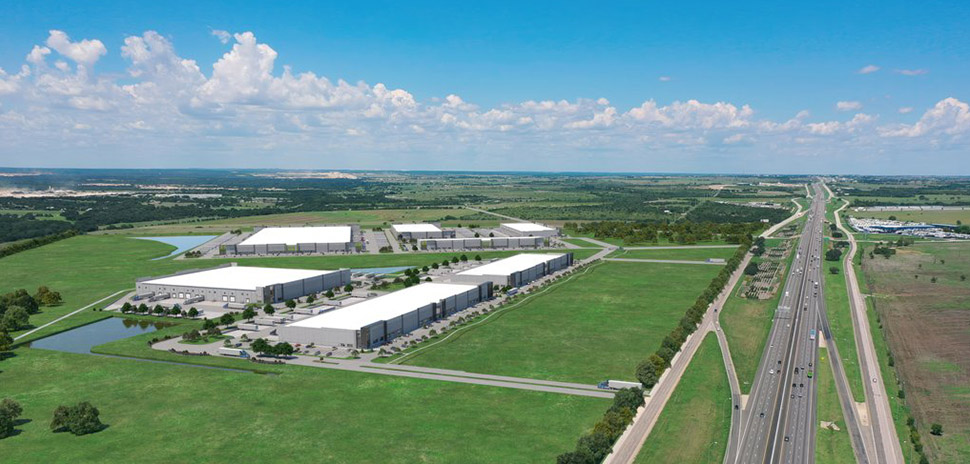
TechFW's investing arm Cowtown Angels was one of the seed investors in Georgetown-based STL, which offers "proven" cold-plate design, server-side liquid cooling, and high-density thermal validation expertise to support AI and high-performance computing workloads.
-

Each bar includes key allergens such as peanut, sesame, and mixed tree nuts, in a format that works for snacks at home or on-the-go. The bars are made with whole nut butters and seeds, without ultra-processed ingredients, added sugar, or added salt.
-

Launched in 2022, Precision Aerospace Holdings brought together Applegate EDM, Clearwater Engineering, Decatur Machine Services, Icon Machine Co., and Owens Machine and Tool Company under a single platform.
-
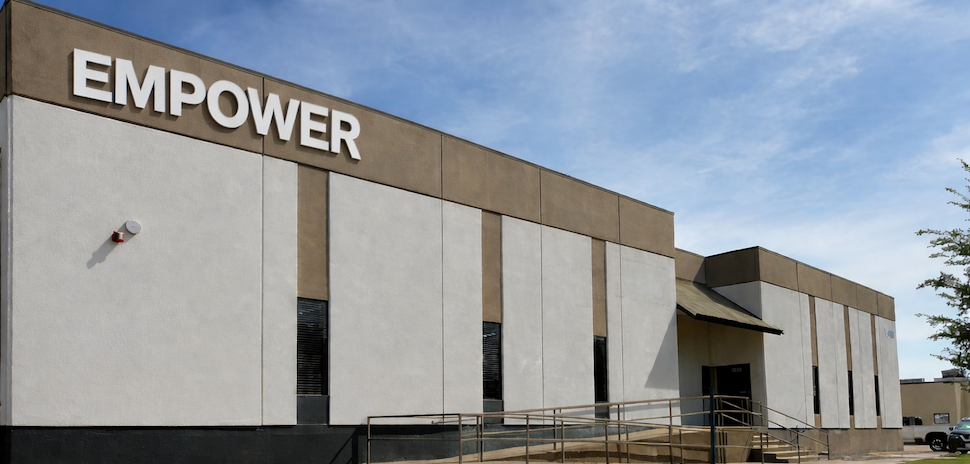
The newly formed Empower EIT has consolidated its operations into a new 17,000-SF headquarters and innovation facility in Addison, relocating Conductive Energy’s direct lithium extraction manufacturing operations from Chicago and its laboratory and research functions from Calgary, Alberta.