Carrollton-based Momentum Technologies recently helped launch a national initiative to bolster U.S. recovery and processing of critical materials. The company makes modular plants that recover critical minerals from used lithium-ion batteries and other e-waste.
“Modern life — phones, medical devices, electric vehicles and defense systems — runs on critical minerals, yet only a fraction of critical minerals are recycled today,” Mahesh Konduru, CEO of Momentum Technologies, said in a statement. “We’re giving new life to yesterday’s batteries and magnets to help the United States get the minerals it needs.”

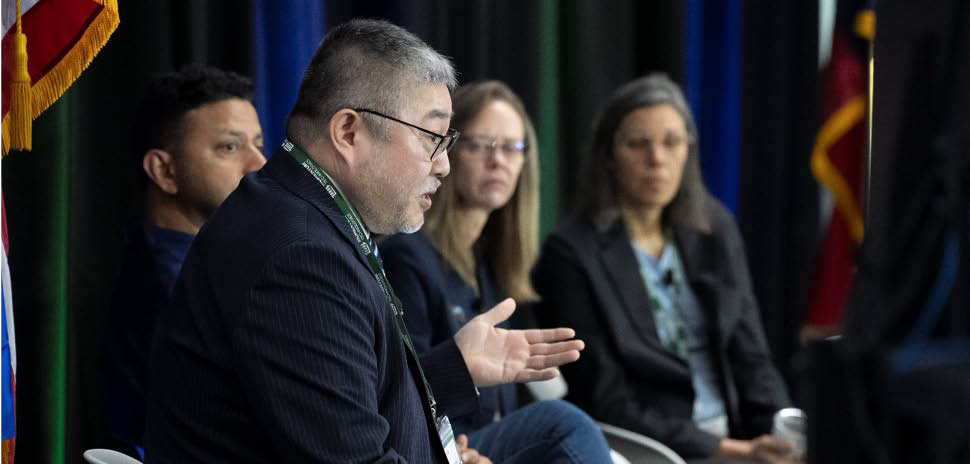
Mahesh Konduru is CEO of Momentum Technologies. [Photo: Momentum Technologies]
ASCEND, or the Accelerator for Supply Chain, Economy and National Development, is a collaboration among Idaho National Laboratory, the National Laboratory of the Rockies and Oak Ridge National Laboratory. The Department of Energy’s Advanced Materials and Manufacturing Technologies Office funds the initiative.
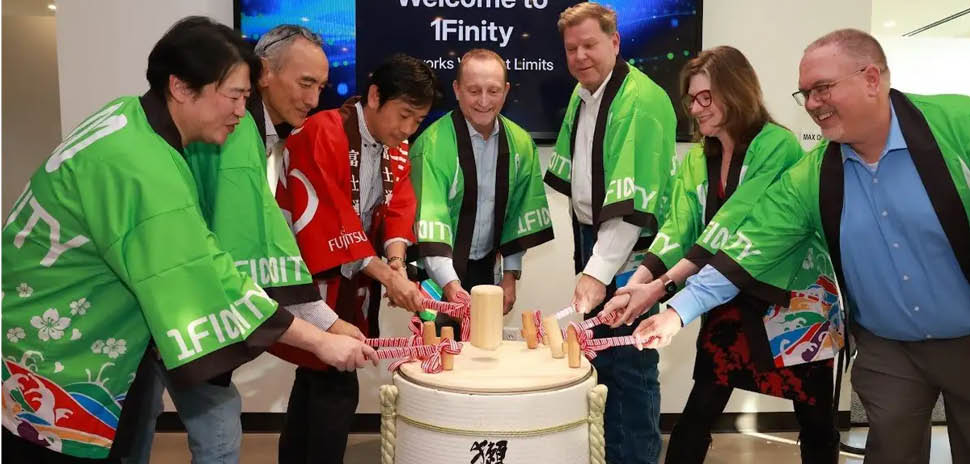
The initiative’s Nov. 10 launch at Momentum’s headquarters brought together representatives from stakeholders in the critical minerals sector. They included electronics manufacturers, mineral processors and refiners, investors, government officials and researchers.
“The ASCEND collaboration is exciting because it will give industry a voice in weighing the costs and help us best align with [the Department of Energy] to support the growth of critical materials recycling in the United States,” Konduru said.
Spurring U.S. production of critical minerals
Participants at the Nov. 10 event discussed recovery of critical materials from used electronics like cellphones, laptops and hard drives, and toured Momentum’s lab and plant. The event featured a look at Momentum’s proprietary membrane solvent extraction, or MSX, technology.
Momentum developed MSX in partnership with Oak Ridge National Laboratory. MSX converts old batteries and magnets into rare earth minerals, using more than 95% of the material at 99% purity, the company said.
China currently dominates the global market for extraction and processing of critical minerals. In support of U.S. competitiveness and national security, ASCEND said it wants to decrease reliance on China and other countries for supplies of critical minerals.
“Recycling rates have long stagnated, not because technologies haven’t advanced, but because there is immense alignment needed — across the value chain, with local and regional policies, among stakeholders and in markets,” Shannon Bragg-Sitton, associate director of Idaho National Laboratory, said in the statement.
“An ecosystem like ASCEND can support that alignment and help companies navigate the complexity.”
ASCEND said feedback collected at the event will help guide Department of Energy investments in critical-minerals processing.
“ASCEND will determine the most impactful opportunities to expand critical materials production through domestic electronics recycling,” Chris Saldaña, deputy assistant secretary of the Department of Energy, said in a statement announcing the initiative.
Modular recycling plants
Momentum opened its Carrollton headquarters and R&D lab in 2024.
The company relies on its MSX technology to recover, separate and process high-purity rare earth elements such as neodymium, dysprosium and terbium. The technology also applies to battery materials like lithium, nickel and cobalt. Its feedstocks include mined ore, used batteries, mining byproducts, old magnets and industrial e-waste.
Momentum installs modular recycling plants that the company said can be permitted and built in one year rather than several years. The company’s customers include energy storage facilities, gigafactories, waste handlers and original equipment manufacturers.
Founded in 2016 by Preston Bryant, former CEO and current chief commercial officer, Momentum landed on Time’s 2026 World’s Top GreenTech Companies list and Time’s 2025 and 2026 America’s Top GreenTech Companies lists.
R E A D N E X T
-

The MassChallenge-run SMU Cox FinTech Accelerator will select up to 15 fintech startups for the annual program. The accelerator opened applications Oct. 6 and will accept them through Nov. 19.
-
 Signia Aerospace Signs Deal to Acquire Addison-Based Aircraft Cabin Tech Maker Heads Up Technologies
Founded in 1985, the maker of aircraft cabin lighting, audio-video systems and controls would become Signia’s 12th portfolio company and its first in DFW.
-

In addition to delivering a big network upgrade to stadiums, AT&T is renewing its longstanding marketing partnerships with both basketball leagues.