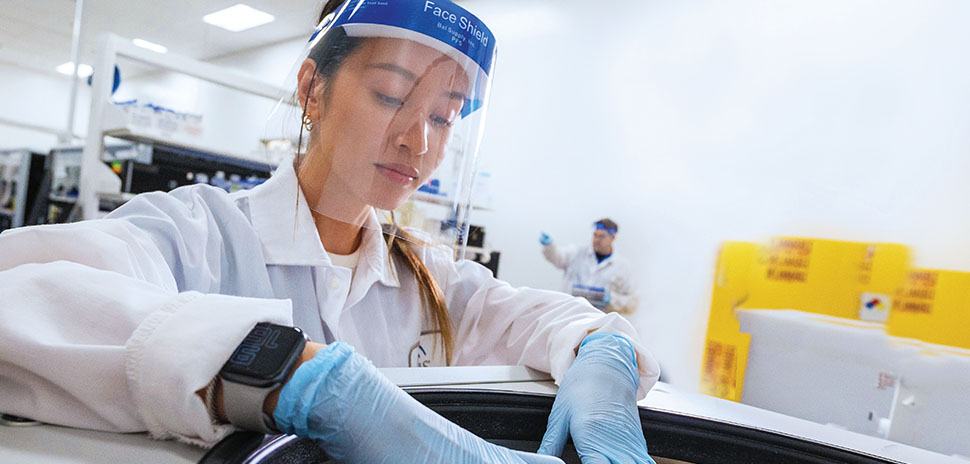
Irving-based Caris Life Sciences began the commercial launch of Caris Detect, a blood test designed to detect signals for multiple types of cancer earlier than previously possible.
Early detection is key to improving cancer outcomes for patients. Overall five-year cancer survival has climbed to 70%, according to the American Cancer Society’s Cancer Facts & Figures 2026 report. Yet individual results vary widely depending on timing. Patients whose cancer is localized have a 92% five-year survival rate. That survival rate drops to 69% for those whose cancer is regional and to 35% for those whose cancer has spread to distant parts of the body.
Caris Detect pairs an analysis of the entire genome with advanced AI trained on 50 billion molecular markers from more than 1 million patient cases.
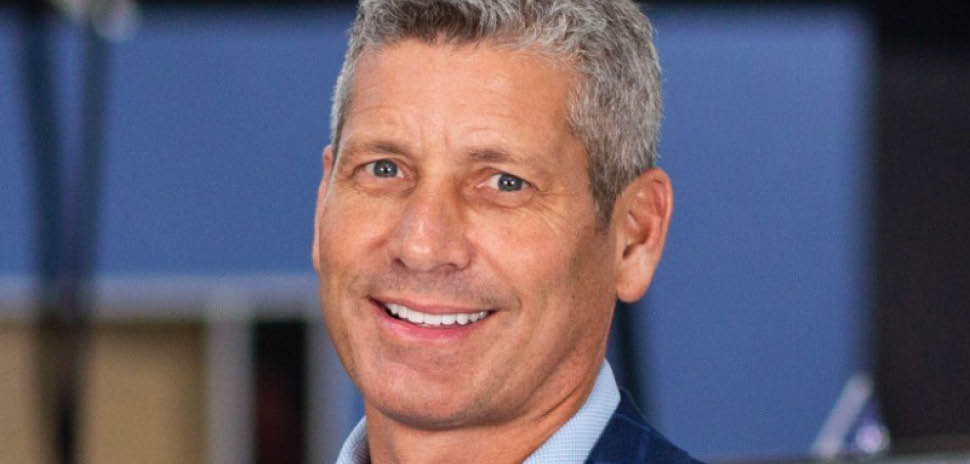
“Early detection remains one of the most urgent and consequential challenges in oncology,” David Dean Halbert, founder, chairman and CEO, said in a statement. “Caris Detect represents a major step forward in our mission to transform cancer care through the most advanced molecular science available. By combining unmatched biological depth with sophisticated AI, we are giving physicians and patients a powerful new tool to help identify cancer earlier and support more informed clinical decisions.”
How patients can use the new test
Caris Detect is available through physicians. Patients go to an approved lab for their blood draw, and the lab then sends the Caris Detect kit to Caris for processing. Caris then sends the results to the patient and health-care provider.
The test returns one of three possible results. If it doesn’t detect a cancer signal, Caris recommends patients continue with their routine screening schedule. An atypical signal indicates a minor abnormality. For these, Caris provides complimentary repeat testing approximately three months after the initial result and recommends that providers establish a monitoring plan. If the test detects a cancer signal, Caris provides additional support including referrals and recommendations for next steps.
A North Texas life sciences leader
Since its founding in 2008, Caris Life Sciences has made its mark as a pioneer in bringing a combination of genetic sequencing, AI, machine learning and other advancements to the field of precision medicine. In addition to its Irving headquarters, Caris has established offices in Phoenix, New York, Cambridge, Massachusetts, Tokyo and Basel, Switzerland.
The company raised nearly $2 billion before going public on the Nasdaq in June 2025, with investors including Sixth Street, Braidwell LP, Perceptive Advisors, Woodline, Ghisallo, Millennium Management and First Light Asset Management. In June, Caris added a dual listing of its common stock on NYSE Texas.
“Establishing a dual listing on NYSE Texas reflects both our continued growth as a public company and our deep roots in Texas, including our headquarters and over 450 Caris employees in the state,” Halbert said. “This milestone underscores our commitment to innovation, our heritage in Texas and our mission to improve the lives of patients through precision medicine.”
When it announced its first-quarter earnings in May, Caris Life Sciences reaffirmed its guidance for full-year 2026 revenue to be in the range of $1.0 billion to $1.02 billion. That would be 23% to 26% higher than in 2025.
Don’t miss what’s next. Subscribe to Dallas Innovates.
Track Dallas-Fort Worth’s business and innovation landscape with our curated news in your inbox Tuesday-Thursday.
R E A D N E X T
-
The expansions by the companies—CG Oncology, Highlander Health, and LH Capital—are "strengthening the operational bridge that moves medical breakthroughs from the lab to the marketplace," Pegasus Park said.
-
Quintin Cassady, a former general counsel at Galderma Laboratories, will lead the Dallas law firm's Fort Worth office. He has more than 30 years of experience advising global pharmaceutical, biotechnology, medical device, and consumer product companies on complex litigation, mergers and acquisitions, intellectual property strategy, compliance, and corporate growth initiatives, the firm said.
-

The funded projects include the use of AI for better health outcomes, vaccines that could target the most aggressive and deadliest forms of breast cancer, research on breast cancer in younger populations, the role of weight loss on breast cancer risk, and prevention and reducing disparities in breast cancer outcomes for all populations.