MORE►
obesity
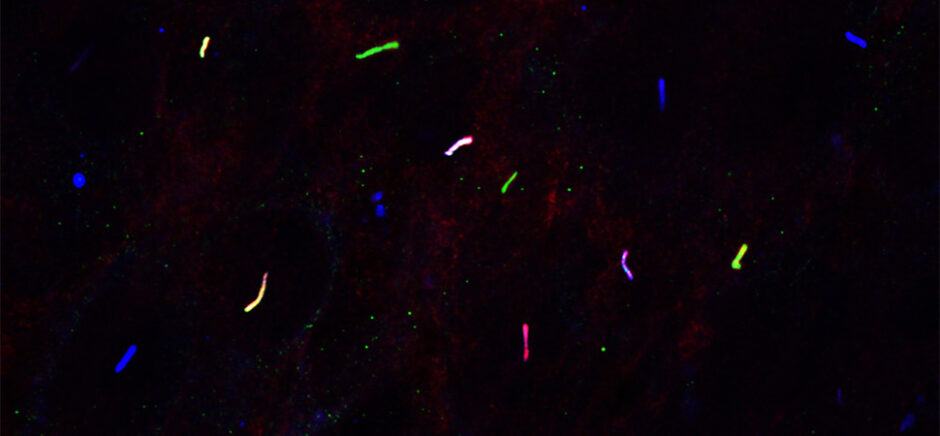
This fluorescent microscopy image shows GPR45 (green) localized in the primary cilia (blue), where it facilitates the transport of Gαs (red) into the cilia of hypothalamic cells. [Image: UTSW]
Appetite-Regulating Gene Discovery at UTSW Could Lead to Future Obesity Therapies
by Lance Murray | Jul 24, 2025
Using a new tool developed at UT Southwestern Medical Center, researchers identified a gene that seems to be key in regulating food intake, offering a different pathway for potential obesity treatments.


by Lance Murray |
Jun 17, 2025
The companies announced what they described as a complete, cost-efficient option for employers looking to expand coverage for weight management and chronic conditions such as diabetes, high cholesterol, and hypertension.
MORE►
by Lance Murray |
Nov 21, 2022
“This study indicates you don’t need obesity to trigger pain; you don’t need diabetes; you don’t need a pathology or injury at all," says UTD researcher Dr. Michael Burton. "Eating a high-fat diet for a short period of time is enough."
The finding could lead to further research on the impact of high-fat diets on chronic pain, a key component of the opioid epidemic—and potentially pharmacological solutions.
MORE►
by Lance Murray |
Sep 28, 2022
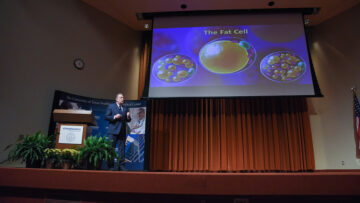
Over 150 scientists across dozens of departments will be part of the elite National Institutes of Health-funded, university-wide interdisciplinary research center. Dallas' UT Southwestern Medical Center is the only institution in Texas to be selected for the NIH initiative.
UTSW wants to translate scientific discoveries into new therapeutic strategies for the prevention and treatment of obesity, which it describes as a chronic disease affecting more than 40% of the U.S. population, with medical costs nearing $175 billion.
UTSW wants to translate scientific discoveries into new therapeutic strategies for the prevention and treatment of obesity, which it describes as a chronic disease affecting more than 40% of the U.S. population, with medical costs nearing $175 billion.
MORE►

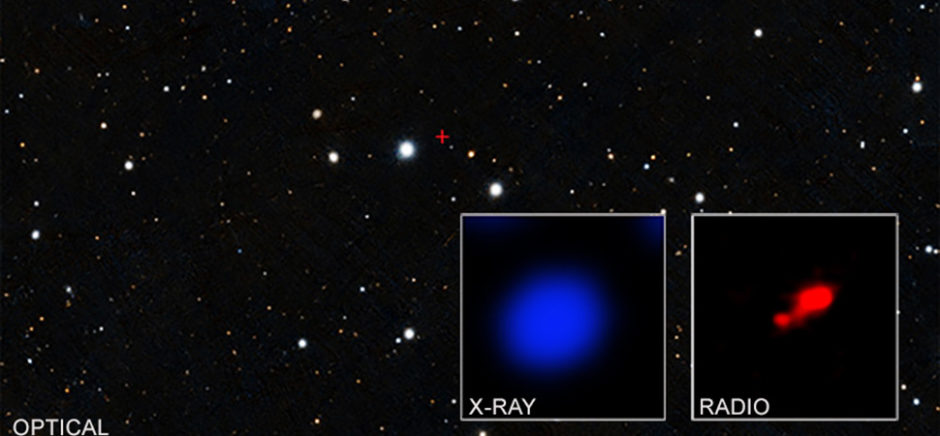
[Photo: Credit: X-ray: NASA/CXO/Ponticifca Catholic University of Chile/F. Vito; Radio: ALMA (ESO/NAOJ/NRAO); Optical: Pan-STARRS -- Image courtesy of NASA]
Discovery: UNT Prof Helps Reveal Oldest ‘Cloaked’ Black Hole; UTSW Probes Hormone’s Role in Obesity
by Lance Murray | Aug 23, 2019
In this roundup of research and development activity in North Texas, you’ll also read about a scientist at UT Arlington who discovered bone-like particles in blood, which is a find that could help physicians treat life-threatening conditions.
MORE►