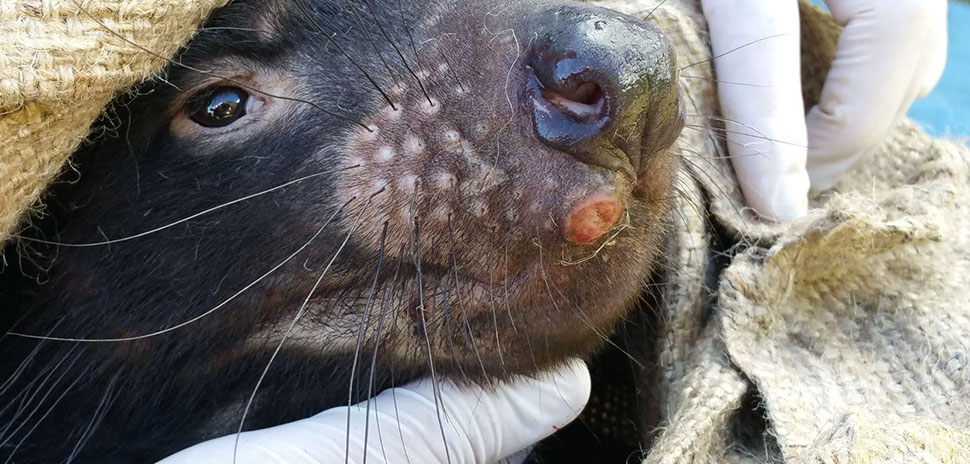
The Colossal Foundation, the nonprofit arm of Dallas-based Colossal Biosciences, is partnering with the University of Tasmania to fight a lethal cancer in Tasmanian devils. The disease has reduced the wild population by 80% since it first appeared in the 1990s.
The cancerous facial tumors spread through biting, a natural behavior that occurs in feeding and mating. The two related cancers, DFT1 (first documented in 1996) and DFT2 (identified in 2014), are nearly always fatal. As the world’s largest surviving carnivorous marsupials, the devils are Tasmania’s apex scavenger and predator. Their loss has a tremendous impact on the island’s ecosystems, Colossal said.
The partners are attacking devil facial tumor disease (DFTD) on two fronts. The first is a field-ready oral bait vaccine designed to train the devil immune system to destroy DFT1 and DFT2 cells. Associate Professor Andrew Flies and the University of Tasmania’s Wild Immunology Group developed the vaccine at the Menzies Institute for Medical Research. The second is gene-editing research on LZTR1, a gene linked to the origin of DFT1. The goal is to determine if correcting devil-specific mutations could reduce fatalities from the disease.
“Devil facial tumor disease is one of the most devastating wildlife diseases on Earth,” Matt James, executive director of the Colossal Foundation, said in a statement.
Combining vaccine with Colossal’s gene editing
James said that combining Flies’ work on the vaccine with Colossal’s marsupial husbandry, reproductive science and gene-editing platform offers the hope of accelerating the effort to “give the Tasmanian devil a fighting chance.”
Flies said that working with Colossal Foundation helps efforts to save the devils in several ways.
“We’ve spent years developing a vaccine designed to train the devil immune system to fight these cancers, but progress is slow due to the challenges of working with an endangered species and having a lack of marsupial research tools,” Flies said.
He added that partnering with the Colossal Foundation “can significantly accelerate our vaccine work, and allow us to explore a gene-editing strategy in parallel that could enhance the vaccine and make devils more resistant to DFTD.”
Building on de-extinction
The collaboration builds on the marsupial biotechnology platform that Colossal developed through its de-extinction program for the thylacine (a.k.a. Tasmanian tiger), which previously enabled engineered resistance to cane toad toxin in the endangered northern quoll.
In addition, the Colossal Foundation is establishing a new fat-tailed dunnart research colony at the Menzies Institute for Medical Research in Hobart, which also builds on husbandry protocols from Colossal’s thylacine de-extinction program. Fat-tailed dunnarts are small, mouse-like carnivorous marsupials common in much of southern Australia. The colony will enable researchers to conduct vaccine safety trials in a biologically relevant marsupial model — a critical step before any trials in devils begin.
Last month, Colossal Biosciences announced another partnership closer to home. The company is working with the Department of the Interior’s U.S. Fish and Wildlife Service to create a genomic and biobanking archive for every species protected under the Endangered Species Act.
Colossal Biosciences is the world’s first de-extinction company. Entrepreneur Ben Lamm and renowned Harvard geneticist George Church founded the company in 2021. In early 2025, it became Texas’ first “decacorn” — startup speak for a private company valued at more than $10 billion — after securing $200 million in new funding.
Don’t miss what’s next. Subscribe to Dallas Innovates.
Track Dallas-Fort Worth’s business and innovation landscape with our curated news in your inbox Tuesday-Thursday.
R E A D N E X T
-
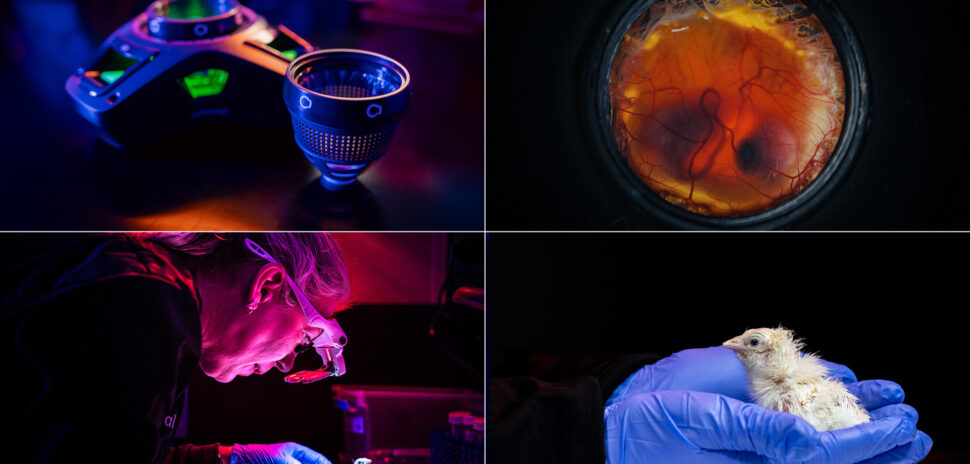
The Dallas biotech says the shell-less incubation platform could help revive species such as the South Island Giant Moa, whose massive eggs exceed the capacity of any living bird surrogate.
-
"By preserving the genetic blueprint of every endangered species in America, we're creating a living archive of Earth's biodiversity—a modern-day Noah's Ark built from DNA and a permanent genetic backup of our nation's most imperiled species," said Colossal Biosciences Co-Founder and CEO Ben Lamm.
-
CFT said the new funding will help improve student outcomes by reducing absenteeism, connecting under resourced youth to opportunities and support, and improving access to high-quality education and workforce pathways.
-
Launched in a partnership with Dallas-based Krida, the SMU Mustang Coin is a utility access credential—a digital tool designed solely to unlock fan engagement experiences, content, and rewards within the Krida platform. The startup's founder, SMU finance grad Bhavesh Kalia, said the new coin offers "a real way for fans to participate beyond showing up or wearing a jersey."
-

For more than 85 years, Southwestern Medical Foundation has been an impact-driven public charity focused on building a sustainable funding source for innovative research, best-in-class medical education, and the highest standard of care at UT Southwestern Medical Center and its related institutions, the nonprofit said.
-
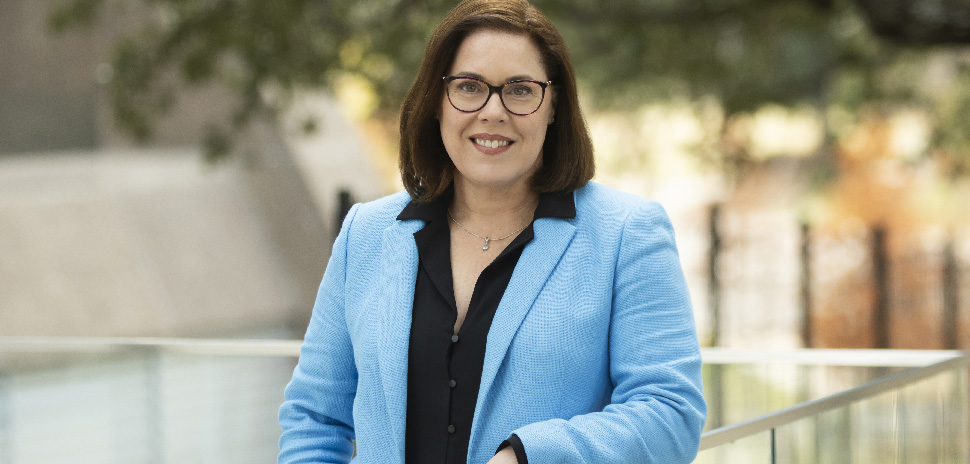
Since joining the nonprofit in 2015, Dawn Townsend has played a pivotal role in advancing the organization's mission and visibility, originally leading its marketing and communications efforts, the foundation said.
-
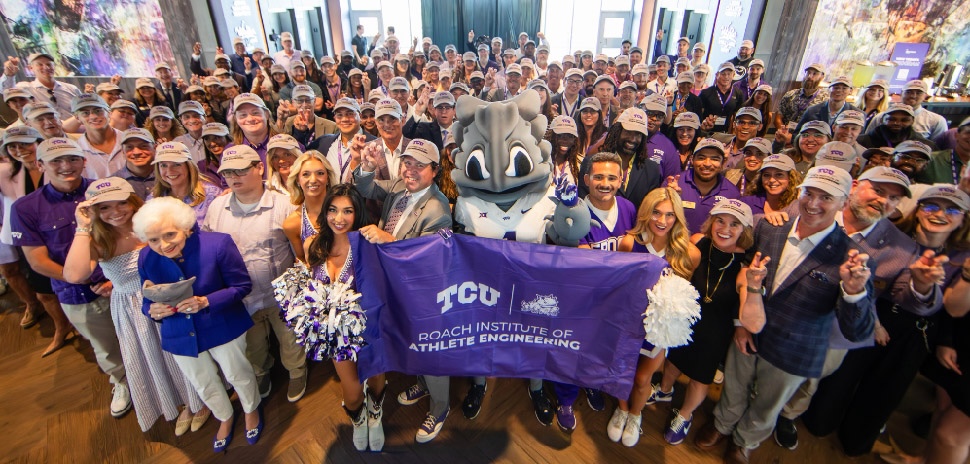
“Most universities have athletics, and many universities have research, but few intentionally bring those worlds together,” said TCU's Reuben F. Burch V, who founded the discipline of Athlete Engineering. “We view athletes as people first and believe the lessons we learn through research can improve lives far beyond the playing field.”
-

Located within the planed 10.5-acre Community Park, the McKesson Market Grove will offer spaces for gathering, wellness programming, community events, healthy food access initiatives, educational opportunities, and year-round engagement designed to improve health outcomes for local residents.