Mary Kay Ash built a global beauty empire on the power of personal connection.
Since its founding in 1963, Addison-based Mary Kay Inc. has never sold its products in stores. Instead, independent beauty consultants sell items to customers one-on-one or in small groups.
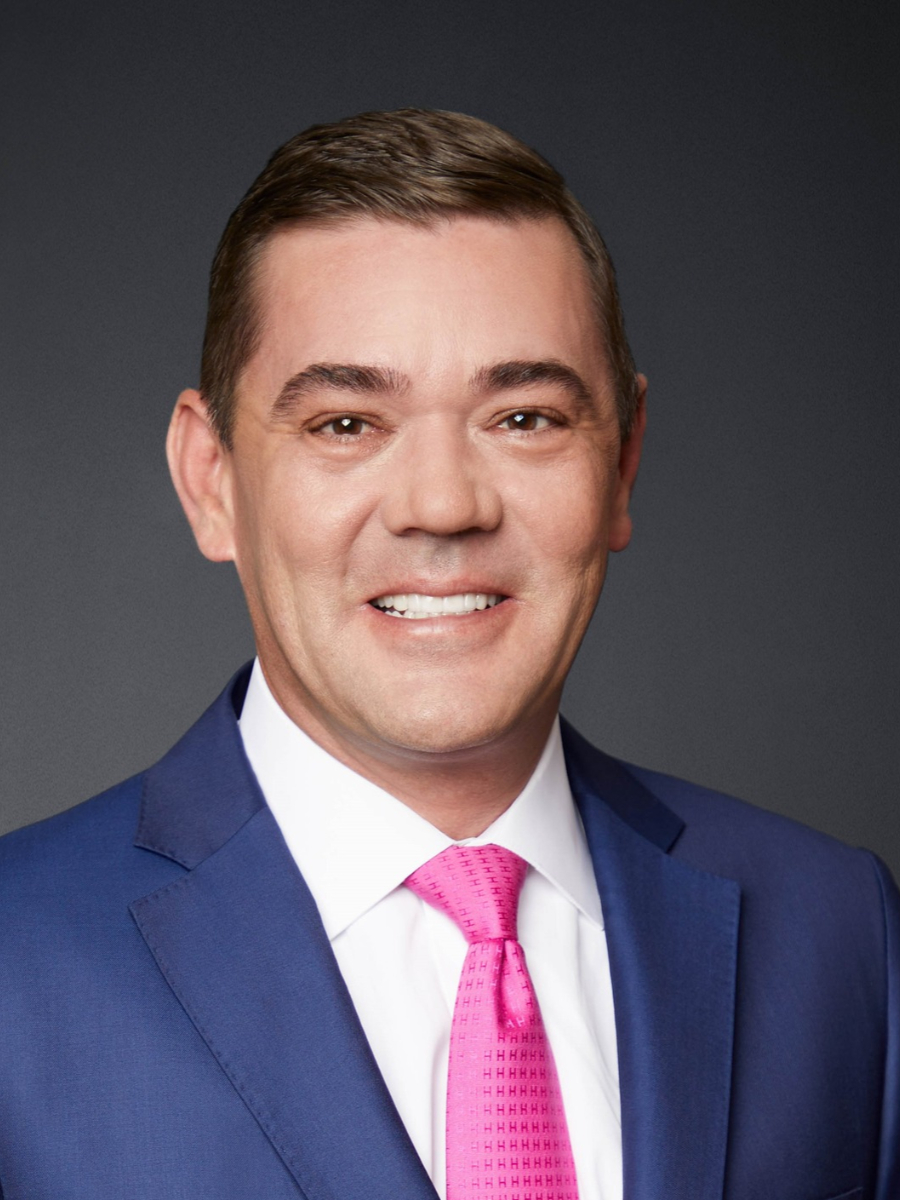
Ryan Rogers is CEO of Mary Kay Inc. [Photo: Mary Kay Inc.]
What’s changed is where that connection happens. In September, Mary Kay launched its largest-ever global marketing campaign to win over a younger generation of shoppers.
The company is backing that push with tech investments. Its AI-powered foundation-matching tool was a finalist for a 2026 Gartner innovation award, and customers can place an order directly through a consultant’s social media account and pay with Apple Pay. On the other side of the transaction, a consultant can run her business from a phone, including ordering inventory, marketing products and closing sales.
Embracing a digital generation
Data drove the changes.
The privately held company operates in more than 40 markets worldwide. Nearly 30% of new consultants who joined Mary Kay in 2024 and 38% of the company’s social media followers were under the age of 35, the company said on its blog. Meeting the digitally native generation on familiar ground was crucial.
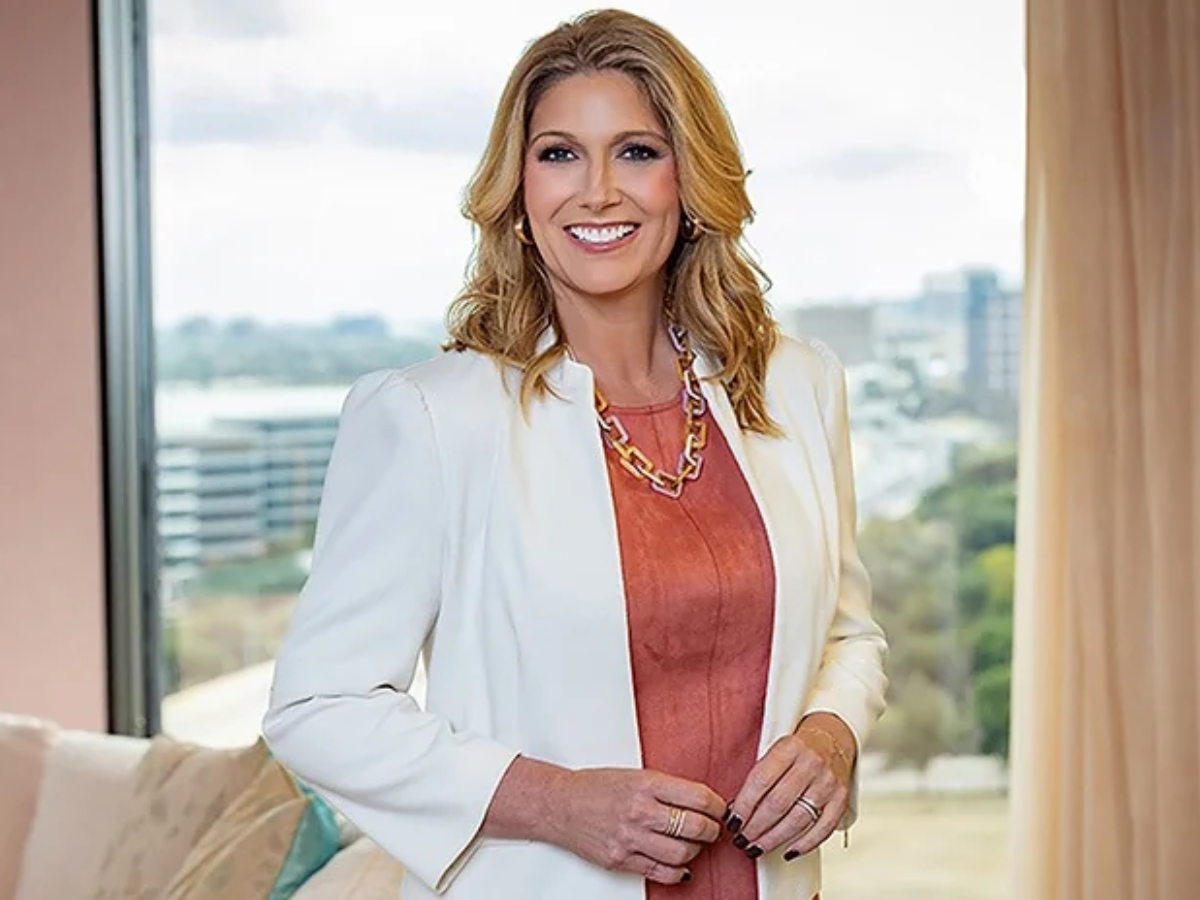
Dr. Lucy Gildea [Photo: Mary Kay]
The mandate was clear: Use the latest technology to keep engaging new generations of women without compromising the vision founder Mary Kay Ash set over half a century ago, Chief Brand and Scientific Officer Lucy Gildea told Dallas Innovates.
“Innovation has been in our DNA from the get-go,” Gildea said. “Mary Kay Ash was an innovative, trailblazing woman. Ryan [Rogers], as our CEO, has continued to carry that legacy. He is challenging norms and encouraging us to challenge norms as an executive team. He fundamentally expects it from us.”
Ash, Rogers’ grandmother, died in 2001. Rogers became CEO of the company in 2023.
Gildea holds a Ph.D. in cell and molecular biology, immunology and infectious diseases from the University of Cincinnati and spent 15 years at consumer goods giant Procter & Gamble. She spent much of that time working on beauty technology and product development.
Mary Kay hired her in 2017 to improve the brand’s competitiveness and accelerate its product pipeline. In 2025, her role expanded to include the company’s brand strategy, tying product formulation and portfolio strategy to sustainable packaging and brand storytelling.
An innovation ecosystem
On the product side, much of Mary Kay’s innovation work happens in Lewisville, where the company formulates and makes products at the Richard R. Rogers Manufacturing and R&D Center. The more than $100 million, 453,000-square-foot center opened in 2018, replacing a Dallas plant the company had operated since 1969. It announced its ISO 22716 certification, the international standard for cosmetics manufacturing practices, this spring.
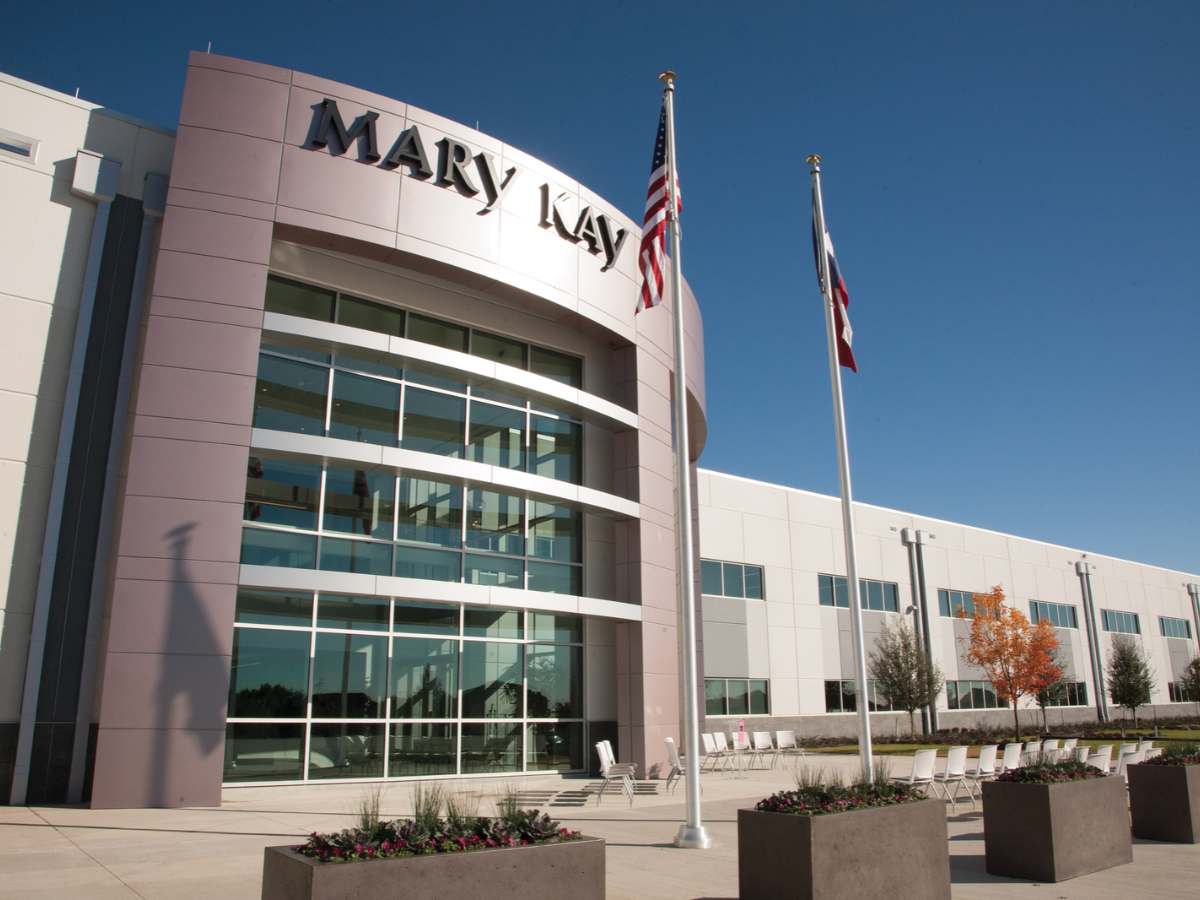
Mary Kay’s research and development work takes place at the 453,000-square-foot Richard R. Rogers Manufacturing and R&D Center in Lewisville. [Photo: Mary Kay]
By the company’s count, Mary Kay has been issued more than 1,600 patents worldwide covering products, technologies and packaging. The company frequently appears in Dallas Innovates’ Patent Explorer, which details U.S. patents granted with a North Texas inventor or assignee on a weekly basis. The company received three in September alone covering a topical composition to fight fine lines and wrinkles, exfoliating skin formulas and a method for brightening skin or evening out skin tone.
The company’s newest offering, the K-Beauty Texture Edit collection of three Korea-made skin care products, went on sale Oct. 5.
AI in action
Innovation spans the entire organization, Gildea said. When Mary Kay began adopting generative AI, it created an AI committee to establish guidance and guardrails. The committee works closely with “AI champions” embedded in departments to assess how AI tools fit into the company’s structure.
The AI champions are a “very interconnected group,” Gildea said.
“I have an AI champion that reports to me directly that brings it all together, but within my brand and creative team and within my R&D team, there are more junior team members that are testing and ideating with him,” she said.
AI powers a key tool for Mary Kay consultants. The Foundation Finder scans a customer’s face on a mobile phone and tailors shade recommendations based on 151 facial feature points.
“We recognized personalization and the ability to pick the product that’s right for you is something that consumers are searching for,” Gildea said. “And foundations are a very personal category, and shade matching is a very hard thing.”
A Mary Kay group not solely dedicated to AI seeks to come up with the company’s next big ideas.
“They are thinking about things 10 years out,” Gildea said. “They’re called corporate innovation agents. I call them the CIA, my little internal name. They utilize AI but are also exploring out-of-the-box things.”
Her teams also use AI to speed up product development.
“We’re able to quickly create multiple mock-ups of product types and then go into online testing with native consumers and get back those results,” Gildea said. “We’re using AI to help us determine what steps and what tests that we may have historically used weren’t contributing to decision-making. It is just amazing how we’re utilizing it across all parts of our organization.”
Bridging the generation gap
When Gildea’s role expanded brand-wide, she was concerned with the potential disconnect among generations of women.
“We had to recognize that in pieces and parts of the world, the younger generation didn’t feel that they connected with us,” Gildea said. “They just didn’t understand us, and we weren’t available and relevant to them. But Mary Kay is and has always been a multigenerational company.”
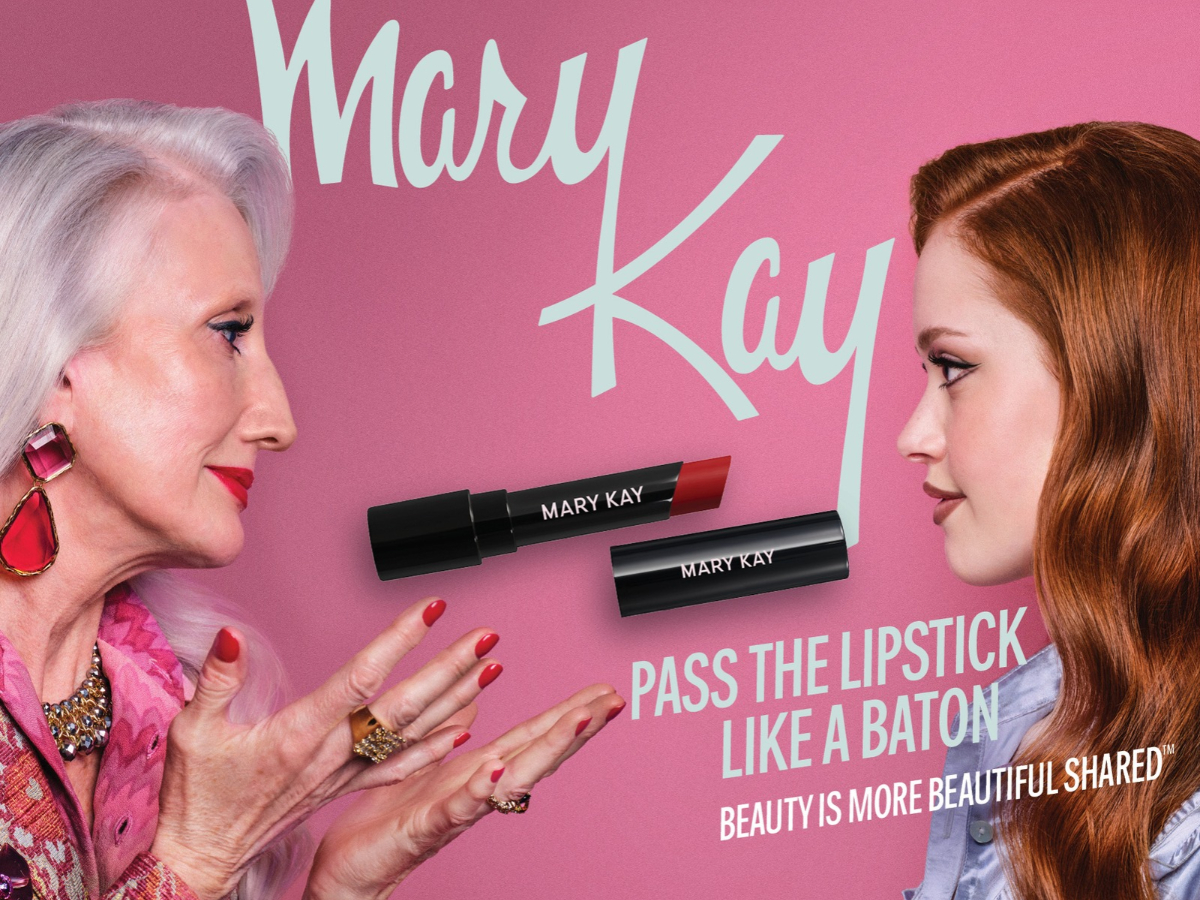
Mary Kay developed the Beauty Is More Beautiful Shared global campaign in partnership with the advertising agency Grey. [Image: Mary Kay Inc.]
Many longtime members of Mary Kay’s independent salesforce built their businesses on high-touch, in-person work with minimal reliance on technology. Yet mobile commerce accounts for more than 62% of beauty sales in key markets, according to the mobile developer Miquido.
“You’ve got to recognize that today’s consumer is very digitally savvy, a digital native, and we need to ensure we meet them where they are,” Gildea said. “But then they are connected to a beauty consultant through their transaction. So, every interaction that you have with Mary Kay is still through the beauty consultant.”
As a result, Mary Kay built an online ecosystem called My Shop with AI-powered customization and interactive tools directly embedded into the platform. A consultant can conduct her entire business via phone, including taking orders from her social media accounts, accepting payments through Apple Pay and instantly depositing commissions into a digital wallet.
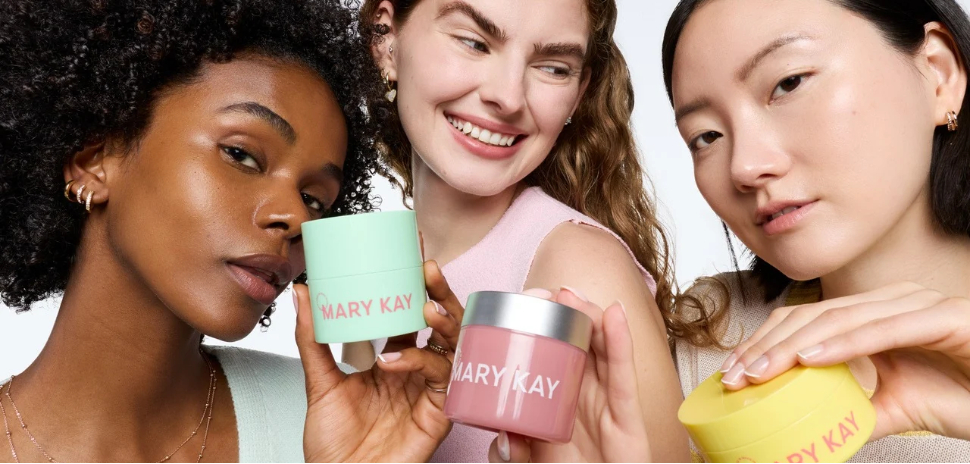
To bridge the generation gap, Gildea and her team crafted a brand campaign based on the company’s traditional values of community, confidence and empowering women. Beauty Is More Beautiful Shared, which the company calls its largest-ever global consumer campaign, launched across 40 markets in September. It kicked off with a free pop-up in New York City’s Meatpacking District during New York Fashion Week, followed by events in Brazil, China, Germany and Mexico.
Every order placed at events goes to an independent consultant. The global marketing push aims to grow consultants’ businesses rather than compete with them.
“We are having in-person events that are specific and tailored to cultural moments for each of our markets,” Gildea said. “We’re going to continue to ideate on how to have an impact.”
R E A D N E X T
-

The startup, led by ex-Remington Hospitality CEO Sloan Dean, relies on 60-plus AI agents to perform back-office tasks so hotel staff can focus on guests.
-
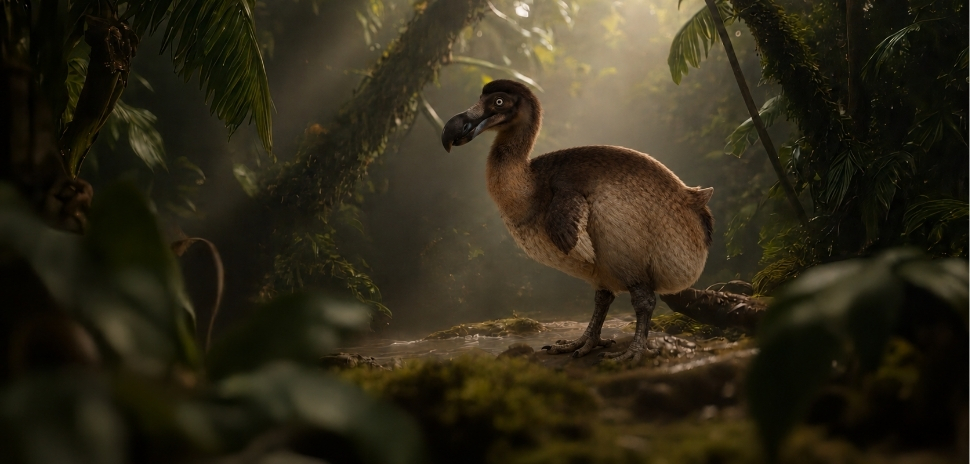
The Dallas-based de-extinction company said its GenoMorph platform continues a series of breakthroughs aimed at reviving extinct and endangered species.
-
Through demos, webinars and ready-to-use prompts, Retail Ready tackles one real-world retail problem at a time — with no tech expertise required.
-
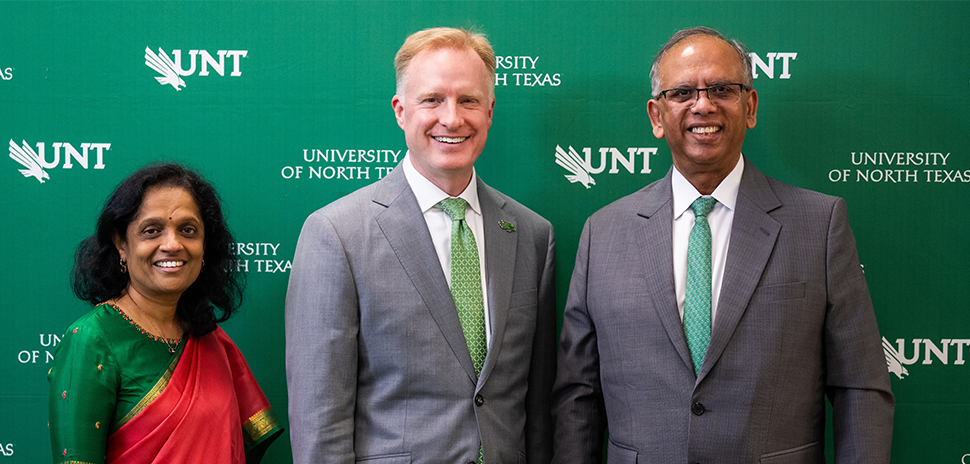
The gift from University of North Texas alum Vikas Sinha and his wife, Anuradha, is the couple’s third to UNT since 2024. It also funds six new endowments for scholarships, research and entrepreneurship.
-
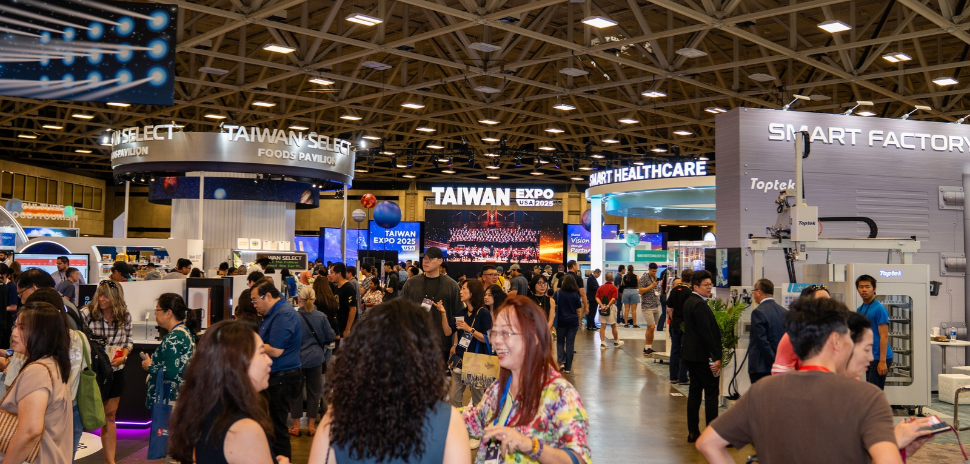
Taiwan Expo USA 2026 brings business, government and technology leaders together to explore the partnerships driving AI, advanced manufacturing, healthcare, energy and resilient supply chains.
-
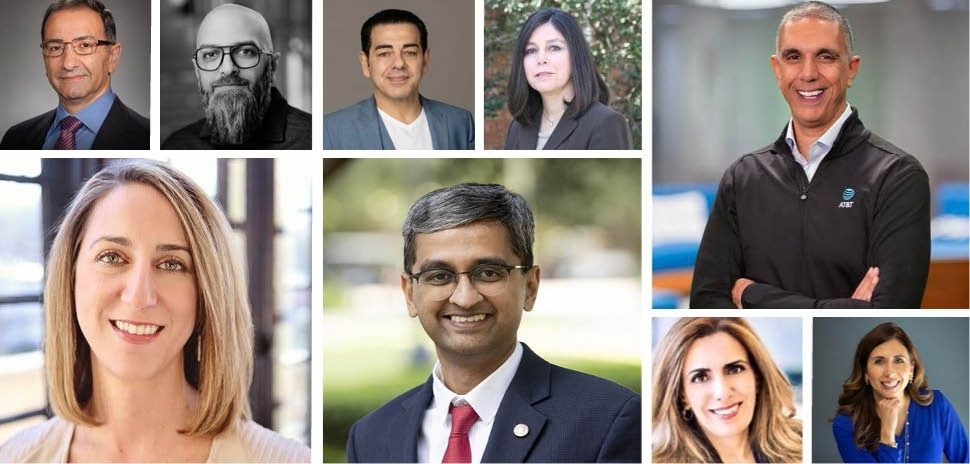
The Dec. 11 event will feature more than two dozen speakers from companies such as Lockheed Martin, Caterpillar and Toyota North America. Organizers plan to make it an annual forum focusing on innovation strategy as the CInO role continues to grow.
-
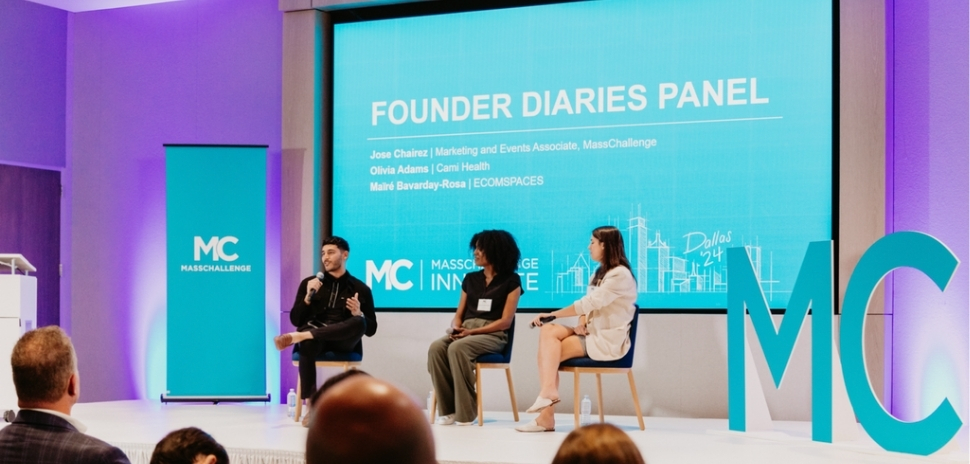
Four years after arriving at Pegasus Park, the Boston-based accelerator is adding health and security accelerators and founder clinics, backed by a renewed two-year grant from Lyda Hill Philanthropies.
-
 Patented: Citi’s AI-Generated Suspicious Activity Reports and 105 More Inventions Across North Texas
Dallas-Fort Worth ranked No. 9 nationally with 106 patents the week of Sept. 22. One went to Citibank for a system, developed largely by an Irving team, that uses large language models to draft the reports banks must file when they suspect financial crime.
-

A $1.96 million National Eye Institute grant funds development of two tools that could help researchers zero in on promising leads for treating macular degeneration, glaucoma and other eye diseases.
-
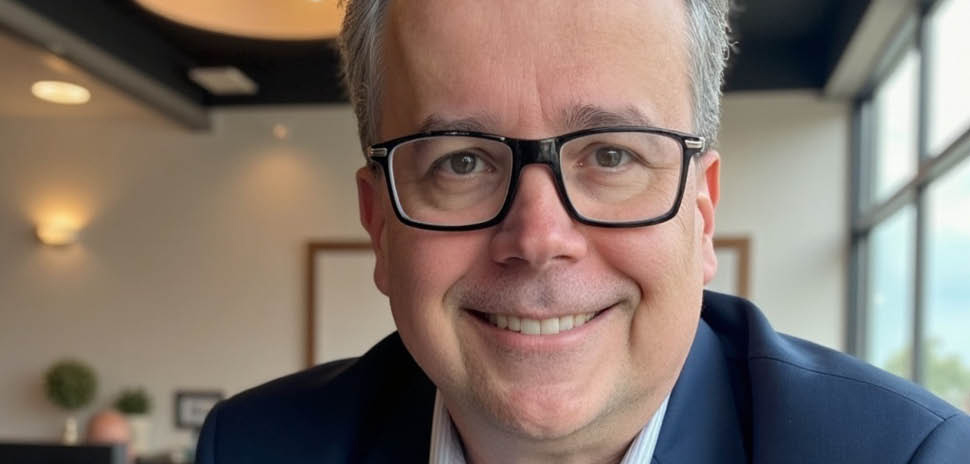
Bush, a veteran of Dialexa, Enseo and Sensori Robotics, joins CoPoint AI co-founders John Humphrey and Dipesh Patel to expand the Dallas-based consulting company’s reach.