The Greenville-based Robotics Education & Competition Foundation and San Diego-based educational drone developer Robolink are gearing up for the Aerial Drone Competition’s 2026-27 season.
With the use of drones skyrocketing, employers need more skilled workers to operate, program, maintain and improve the technology, the nonprofit foundation said. That’s where the drone competition can lend a hand.
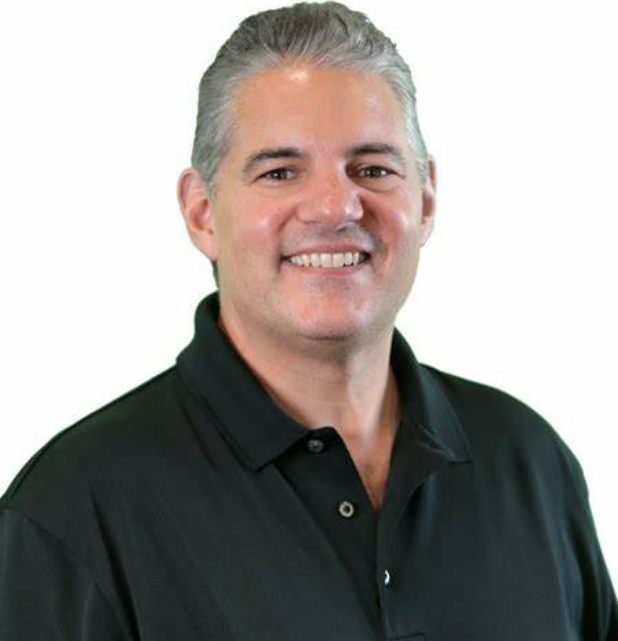
Dan Mantz is CEO of the Robotics Education & Competition Foundation. [Photo: RECF]
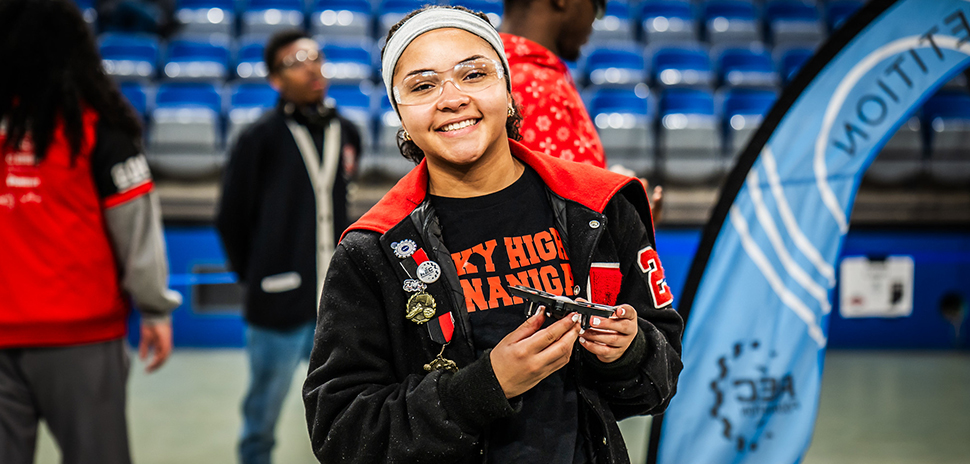
Dan Mantz, the foundation’s CEO, told Dallas Innovates that the annual drone competition builds students’ skills and stokes their enthusiasm about drone careers. The competition isn’t a one-time gathering. Rather, it involves a series of local and national events starting in October.
“Students learn much more than just how to fly a drone,” Mantz said. “They build technical knowledge, problem-solving skills, teamwork, communication and confidence while having fun.”
Students also go through safety training and can earn the Federal Aviation Administration’s remote pilot certification.
Robolink calls the competition “an exciting educational drone sporting event.”
In addition to Robolink, backers of the competition include Google and the Defense STEM Education Consortium.
Building interest in STEM
In tandem with the rise in drone usage, interest in drone education keeps climbing. Participation in the Aerial Drone Competition grew 50% to nearly 3,000 teams in the past two years, the foundation said.
Robolink provides competitors with its CoDrone EDU, a programmable drone for educational purposes. Robolink is the competition’s presenting sponsor.
“Robolink started as an afterschool STEM program, and today our drones are used in more than 9,000 schools from upper elementary through high school,” Hansol Hong, CEO of Robolink, said in a statement.
Hong said the foundation’s Aerial Drone Competition mirrors a real-world environment.
“It turns STEM from something to study into something with the excitement and sense of belonging as athletics,” he said.
‘Fast Track’ to success
The theme for the 2026-27 season of the Aerial Drone Competition is “Fast Track.”
Some teams will use drones to manipulate balls, clear obstacles and score points into goals before time runs out, the foundation said. Other teams will write code that enables drones to fly autonomously.
Competitors will come from elementary, middle and high schools. Students gain knowledge and skills, explore creativity, practice teamwork and leadership, and learn to be adaptable and solve problems, the foundation said.
The 2026-27 season ends with the competition’s world championship April 2 to May 7 in St. Louis.
Drone careers
Beyond drone events, the foundation teamed up with the Unmanned Safety Institute to help students earn remote pilot certification. Anyone piloting a commercial drone must obtain this certification.
From orchestrating elaborate nighttime shows to handling airborne deliveries, career opportunities abound for drone pilots, along with other drone specialists.
“This collaboration is about building more than a competition program. [We] are creating a connected pathway that introduces students to drone technology, gives them opportunities to apply their skills and shows them where those skills can lead,” Mantz said.
“As the drone industry grows,” he said, “we have a shared responsibility to help more young people see themselves as part of its future.”
Growth in the drone market
The increase in commercial applications for drones, such as aerial surveillance, photography and last-mile delivery, is fueling growth of the U.S. drone market. Grand View Research estimated the U.S. market will expand from $29.3 billion in 2025 to $58.5 billion by 2033.
The surge in drone usage creates demand for more drone operators. An FAA forecast predicted the number of commercial drones in the U.S. will exceed 1 million by 2028. Also, the FAA projected the number of remote pilot certifications will exceed 470,000 by 2028.
STEM and robotics
The Robotics Education & Competition Foundation launched in 2010 to expand STEM education through robotics. In 2019, the foundation began the Aerial Drone Competition to spur interest in drones, aviation and coding.
Mantz, who joined the foundation in 2017, helped pioneer the drone competition.
Before coming to the foundation, Mantz spent 20 years in the industrial robotics sector. He worked on solving challenges with software, electrical engineering and mechanical engineering.
“That experience showed me how important it is for students to develop technical knowledge, problem-solving abilities and teamwork skills that will prepare them for a variety of careers,” Mantz said.
Prior to joining the foundation, Mantz was president of Greenville-based RackSolutions, which supplies hardware to data centers and tech companies.
“Today, I have a role of a lifetime, working alongside a talented, dedicated team to expand access to robotics, drones and other career-connected STEM opportunities for students in all 50 states and more than 100 countries,” Mantz said.
Mantz’s foundation participates in robotics events other than the Aerial Drone Competition. In 2025, the organization hosted 2,400 international teams for the VEX Robotics World Championship in Dallas to showcase custom-built robots.
R E A D N E X T
-
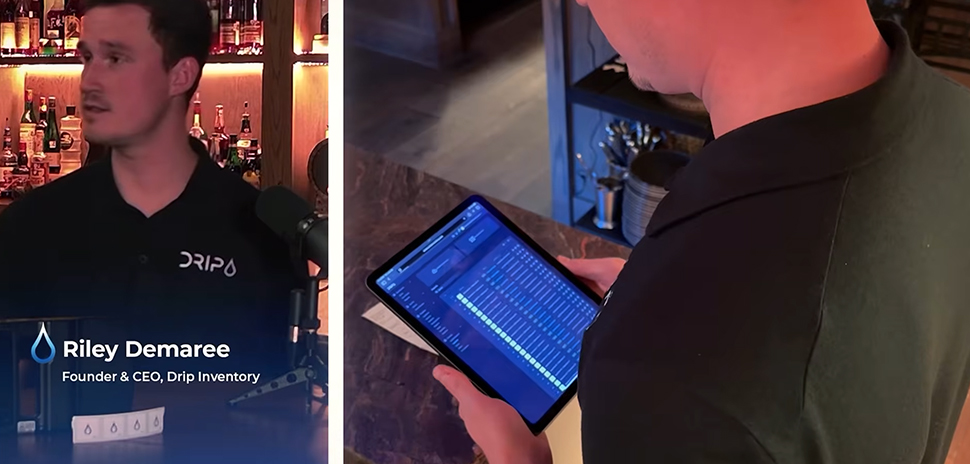
The first of four episodes of Next Founder Up dropped Aug. 5. The series will follow the six startups competing for CodeLaunch’s U.S. championship, including Frisco-based Drip Inventory.
-
The Dallas-based foundation is partnering with New York City worker advocacy nonprofit Lift Our Voices on the free Agentic AI Academy, a five-day pilot for community college learners.
-
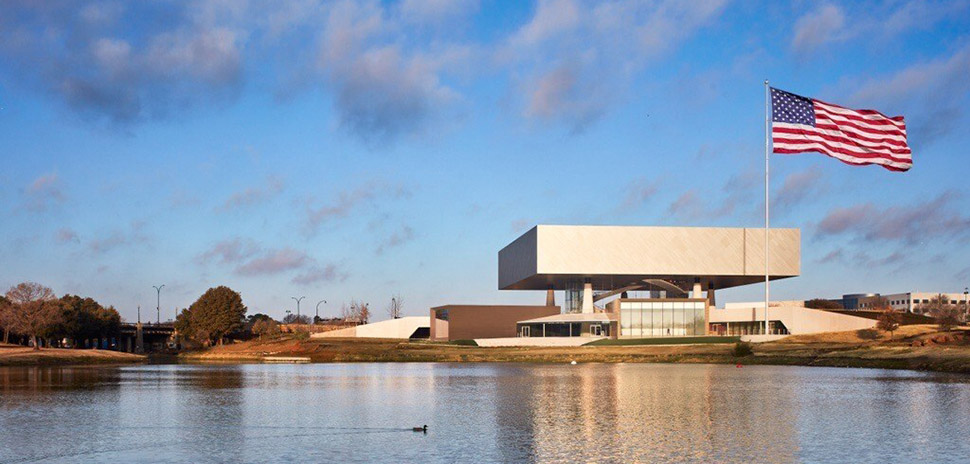
Troy Bertram, an Army veteran and former Google Cloud and Amazon Web Services executive, brings a passion for public service and public-sector partnerships to the Arlington-based foundation.
-
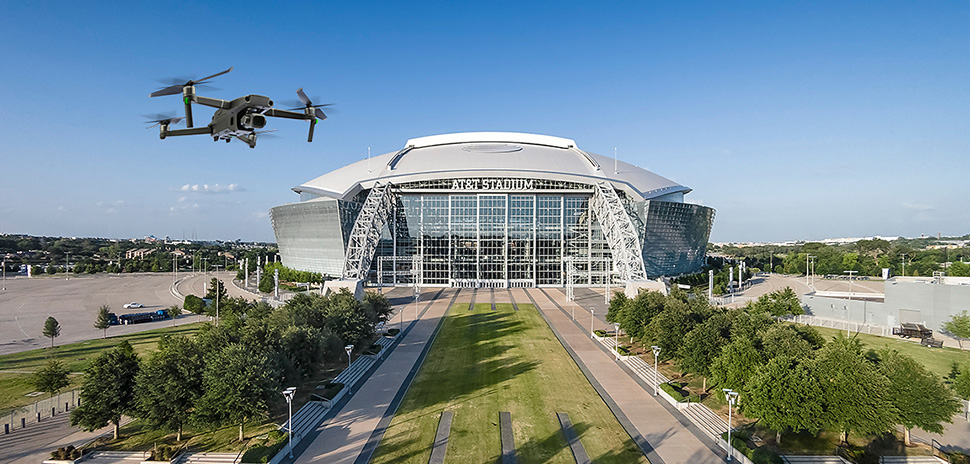
Detecting and tracking multiple drones in real time, the system showed how wireless infrastructure could help protect major venues, key locations and critical infrastructure.
-

Truist’s Renda Mathew is board chair-elect for the Dallas nonprofit. The foundation, which invests nearly $5 million a year in grants, research and leadership programs, also added executives from TI, Hunt Oil and WBR Partners to its board.