A University of Texas at Arlington computer science professor has secured $3.1 million in federal funding to tackle one of medicine’s most time-consuming challenges: figuring out which antibodies will successfully bind to disease-causing targets.
Junzhou Huang, the Jenkins Garrett Endowed Professor in the Department of Computer Science and Engineering, will use the National Institutes of Health R01 award to accelerate the use of artificial intelligence in antibody drug discovery—research the university says could strengthen responses to future pandemics.
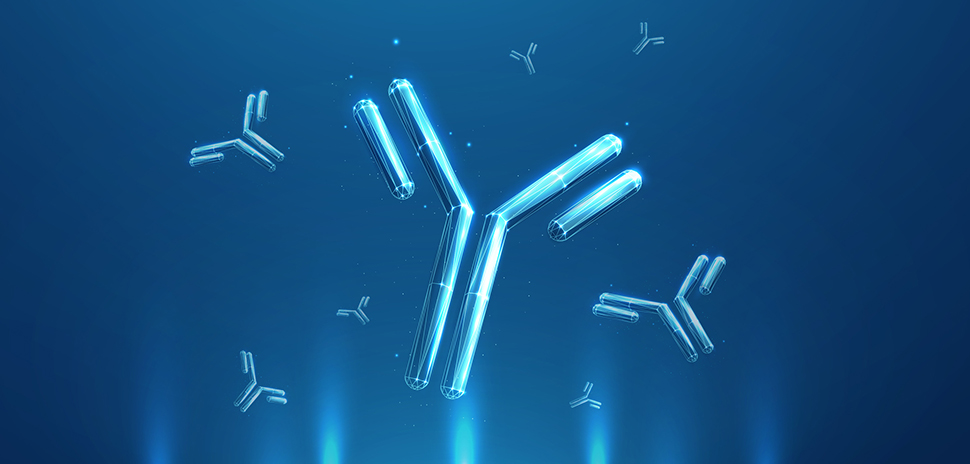
The grant supports Huang’s work applying machine learning to predict how antibodies bind to viruses and other antigens, a critical first step in developing treatments for infectious and autoimmune diseases.
Traditionally, it can take more than a decade and billions of dollars to bring a drug to market, UTA said.
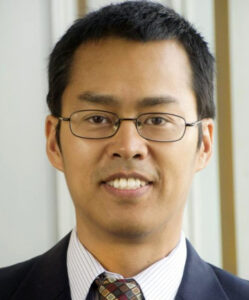
Junzhou Huang
“This project is about using AI to automate and improve the early stages of drug development, particularly antibody design,” Huang said. “If we can predict the right binding interactions computationally, it could dramatically speed up the pipeline and lower the risks and costs of drug development.”
Huang’s research builds on his team’s high-ranking finish in an international AI protein structure prediction challenge, where they placed sixth overall and ranked first in the protein contact map prediction track, competing against institutions such as Google DeepMind and the University of Washington.
The recognition led to collaborations with Tao Wang at UT Southwestern Medical Center and Jun Wang at New York University. Together, the team coauthored a paper published in Nature Cancer and is working to bridge the gap between academic research and pharmaceutical applications.
In addition to the NIH grant, Huang’s lab recently received a $200,000 award from Johnson & Johnson to explore AI-based toxicology prediction, another early-stage step in drug development that can identify potential safety issues before clinical trials.
“The goal is to shorten the response time to react to emerging diseases by enabling faster, AI-driven antibody development,” Huang said. “This could make a huge difference the next time we face a public health crisis.”
UTA said the new funding is part of its expanding research portfolio in artificial intelligence and health science innovation.
Don’t miss what’s next. Subscribe to Dallas Innovates.
Track Dallas-Fort Worth’s business and innovation landscape with our curated news in your inbox Tuesday-Thursday.
R E A D N E X T
-
Dallas Innovates, in partnership with the Dallas Regional Chamber, once again is recognizing the most innovative leaders in AI in Dallas-Fort Worth. From visionaries and mavericks to transformers and academics, AI 75's class of 2025 are the AI pacesetters you need to know now.
-
The Tech Transfer Showcase spotlights life science innovation at universities and strengthens the development of future leaders and entrepreneurs, BioNTX said. Here are the six university finalists who'll be pitching at the summit.
-
The new center at Bridge Labs will train the workforce powering North Texas’ biotech boom—helping startups speed therapies, vaccines, and breakthrough biologics from lab bench to patients. Funded in part by Lyda Hill Philanthropies, the National Center for Therapeutics Manufacturing Satellite Campus is set to open this summer.
-
The study of data from past storms includes researchers from multiple universities as well as international partners from hurricane-prone regions including the Bahamas, Jamaica, and Costa Rica.
-

Avoid common pitfalls with practical insights from guiding Fortune 500 companies through AI adoption