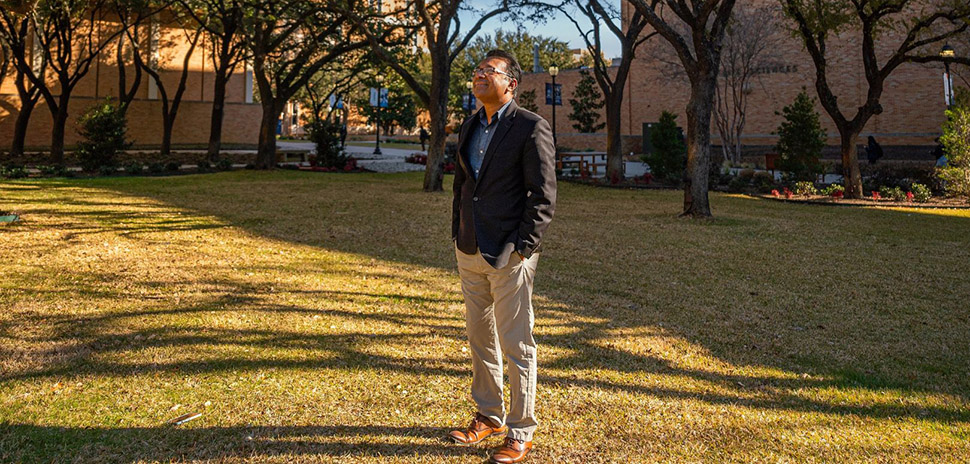
A University of Texas at Arlington civil engineering researcher is testing a new type of asphalt made with recycled plastic that could help roads last longer, resist cracking in extreme heat, and reduce plastic waste.
UTA professor Sahadat Hossain developed a method that replaces part of the petroleum-based binder used in asphalt with recycled plastic from everyday items such as plastic bags and bottles.
The technology is already being tested in North Texas. A one-mile section of roadway in Rockwall was built using the plastic-infused material, and additional test sections have been installed in UTA parking lots.
“My goal is to take one problem—plastic pollution—and use it to fix another: deteriorating roads,” Hossain wrote in an article published by The Conversation.
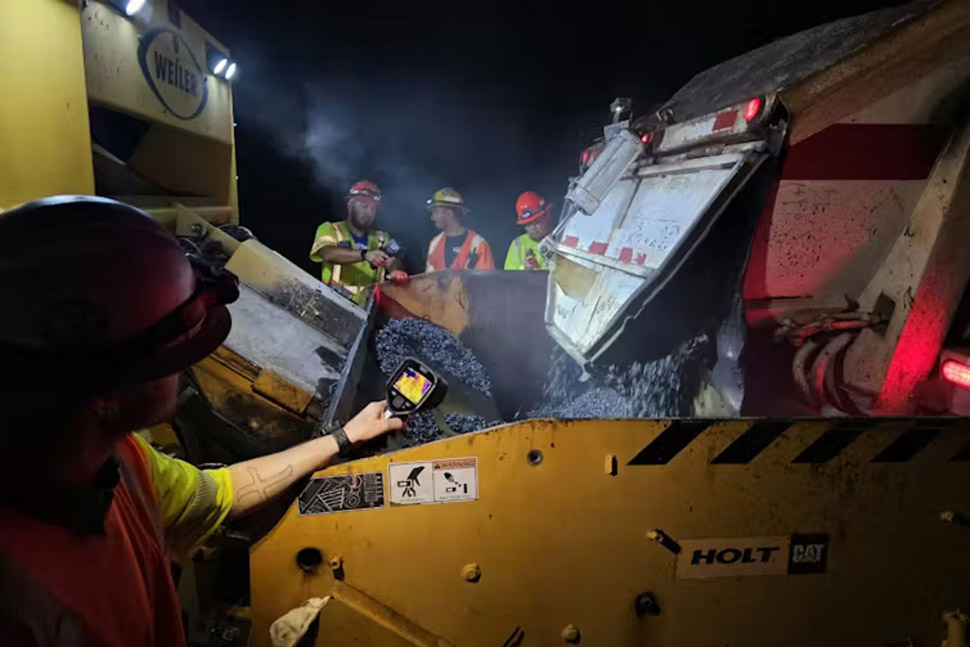
Photo: UTA
A North Texas pilot puts the material to the test
The Rockwall project used about 4.5 tons of recycled plastic to construct nearly a mile of one-lane pavement.
The pilot allows researchers to evaluate how the material performs under real-world conditions, including traffic loads and extreme summer temperatures.
That durability could be especially important in states like Texas, where prolonged heat can soften asphalt and contribute to cracks, potholes, and costly maintenance.
Hossain said pavement made with the plastic mixture has remained intact on days when temperatures exceeded 100 degrees at the UTA and Rockwall test sites.
A different way to strengthen asphalt
Traditional asphalt is made from aggregates such as stone and sand combined with a petroleum-based binder called bitumen that holds the material together.
In Hossain’s process, about 8% to 10% of that bitumen is replaced with melted recycled plastic.
The plastic is first cleaned and shredded into flakes before being mixed into asphalt at high temperatures so it melts and bonds within the material.
The result, according to Hossain, is a pavement mixture that adds flexibility and strength, helping roads withstand heavy traffic and extreme temperature swings.
Testing in Bangladesh has also shown promising results. During one extreme heat wave, roads built with the plastic mixture showed no visible cracks while many traditional roads experienced distress.
Lower maintenance and less plastic waste
Beyond durability, the approach could reduce demand for petroleum-based bitumen while giving discarded plastic a new use.
More than 400 million tons of plastic are produced each year worldwide, with less than 10% recycled.
Because plastic-infused pavement is designed to resist cracking and deterioration, cities may also reduce long-term maintenance costs. Early estimates from the Rockwall test suggest the roads could extend pavement life by several years.
Researchers are still studying questions related to scaling the technology, including the need for consistent supplies of clean plastic and whether the material could release microplastics as it wears down.
Early research suggests that risk is low because the plastic becomes bound within the asphalt mixture. Hossain said his lab has observed minimal microplastic release, and a 2024 study estimated recycled plastic asphalt releases about 1,000 times fewer microplastics than particles produced by worn vehicle tires.
The university has filed a patent for the process, and Hossain’s team plans to expand testing to additional cities as it works toward commercializing the technology.
Don’t miss what’s next. Subscribe to Dallas Innovates.
Track Dallas-Fort Worth’s business and innovation landscape with our curated news in your inbox Tuesday-Thursday.
R E A D N E X T
-
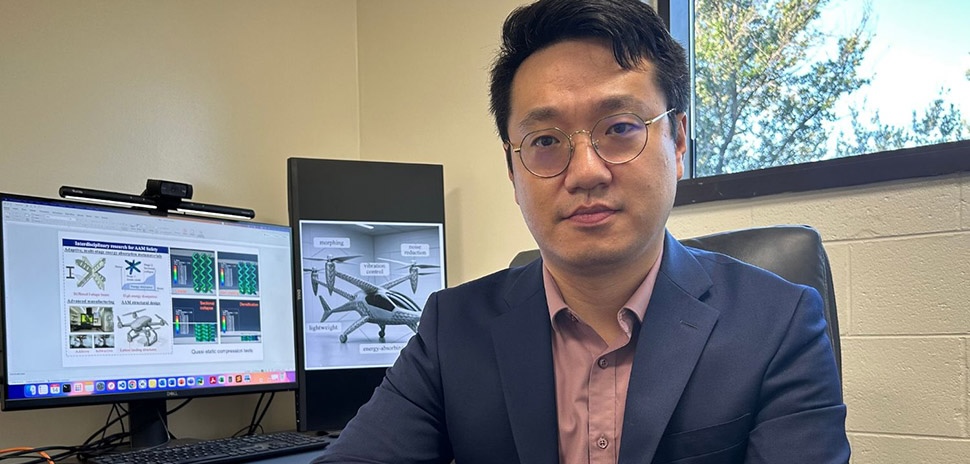
The grant supports development of reusable, impact-resistant materials designed to withstand frequent landings and collision events in next-generation aircraft—everything from air taxis to the flying cars of the future.
-

The investment strengthens UTA’s pipeline for high-demand engineering talent and supports research on AI-enabled safety systems for nuclear plants.
-
The brain-inspired design could lower the energy and compute costs behind AI training requirements, an increasingly urgent challenge for enterprises.
-
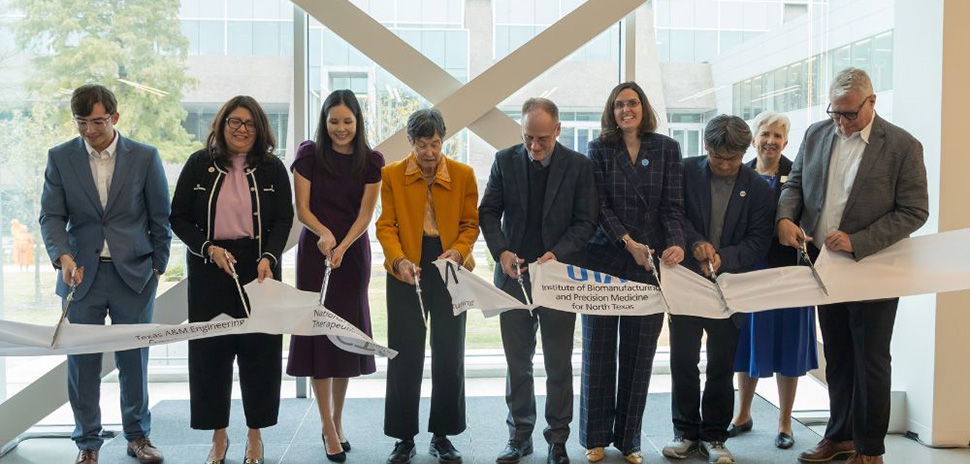
A new satellite campus is adding hands-on training, lab capacity and startup support to Dallas’ growing life sciences ecosystem.
-

TAMEST — the Texas Academy of Medicine, Engineering, Science & Technology — named five statewide recipients for its 2026 Edith and Peter O’Donnell Awards, including three from Dallas-Fort Worth institutions. The honorees will be recognized in February, with nominations for 2027 opening in January.