When disaster strikes, evacuation delays can cost lives. At the University of Texas at Arlington, one researcher is building smarter tools to give emergency officials the data they need to act faster and save lives.

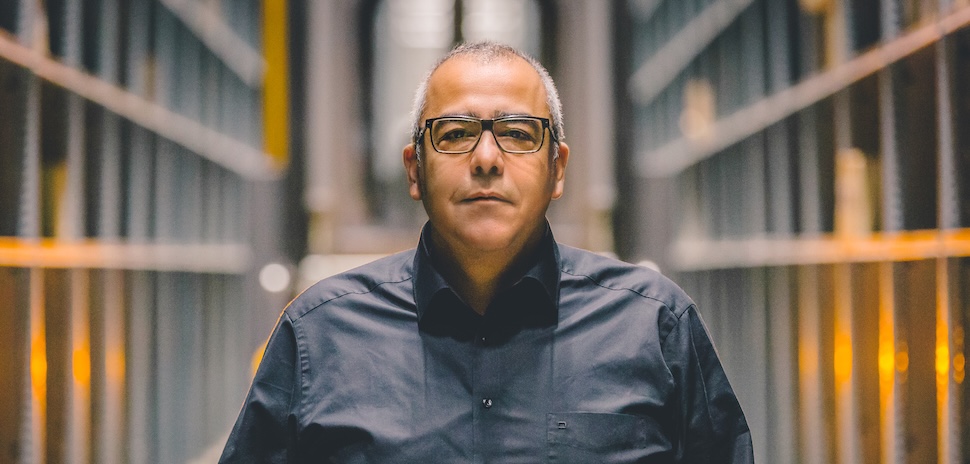
Mahmoud Bayat’s work focuses on developing cyber-physical systems that help cities respond to disasters more effectively.
With seed funding from UTA’s Research Enhancement Program, researcher Mahmoud Bayat is creating an AI-powered digital twin framework to support real-time evacuation planning. The platform will combine live environmental data, transportation models, and infrastructure vulnerability assessments to help emergency managers respond to rapidly changing conditions, especially in disaster-prone regions like the Gulf Coast.
A digital twin is a real-time virtual model of a physical environment. In this case, it mirrors traffic and infrastructure conditions to help simulate how disasters unfold and how systems might respond.
“This project is as much about social equity as it is about technology,” Bayat said in a UTA research highlight.
Bayat, an assistant professor in UTA’s School of Architecture within the College of Architecture, Planning and Public Affairs, said the platform is designed to ensure that vulnerable residents—including the elderly, disabled, and low-income individuals—aren’t left behind during evacuations.
“That’s how we build truly resilient communities,” he said.
Real-time support for emergency management
According to UTA, the system is meant to serve as a decision-support tool for emergency managers, providing real-time data and adaptability in the field.
Bayat’s project, titled Innovative Disaster Response: Digital Twins for Community and Transportation Resilience, aims to address a key flaw in traditional evacuation models: they rely on static assumptions and often can’t adapt when conditions change quickly on the ground.
During Hurricane Rita in 2005, for example, hundreds of people died—not from the storm itself, but from traffic gridlock, heat exposure, and poor coordination, UTA noted. Bayat’s system is designed to help emergency managers simulate unfolding scenarios and adjust plans in real time based on congestion, road closures, or severe weather.
Building smarter infrastructure response
To start, Bayat and his team will evaluate current evacuation strategies and digital twin technologies. From there, they’ll develop two core AI components: a generative model trained to estimate infrastructure damage during disasters, and a dynamic routing engine that adapts evacuation routes as new data comes in.
Both tools will be integrated into a single platform and tested through case studies, UTA said. The project will conclude with a report offering implementation guidance for emergency planners.
If successful, the platform could be adopted by cities, counties, and state agencies nationwide, according to the university.
Don’t miss what’s next. Subscribe to Dallas Innovates.
Track Dallas-Fort Worth’s business and innovation landscape with our curated news in your inbox Tuesday-Thursday.
R E A D N E X T
-
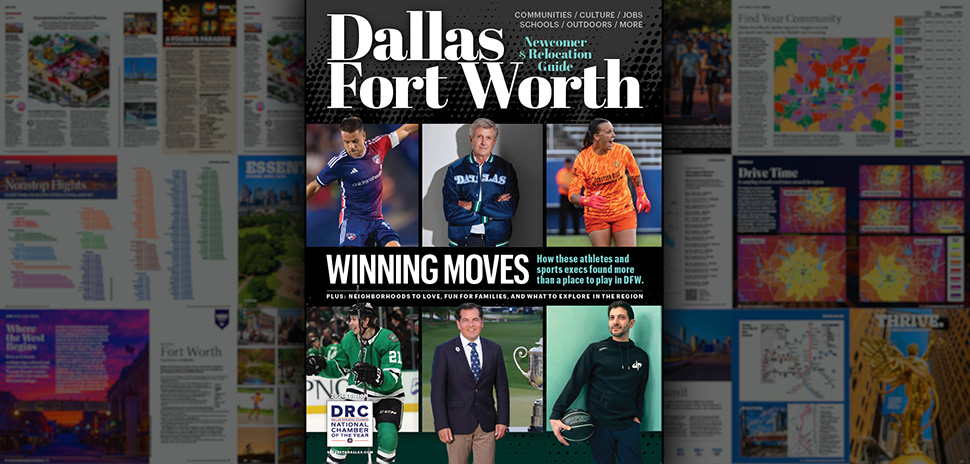
Here's your guide to life in Dallas-Fort Worth. You'll find a big-picture look at communities, culture, jobs, schools, entertainment, and the great outdoors. Discover why Dallas-Fort Worth is one of the fastest-growing regions in our digital edition.
-
Digital marketing veteran James Loomstein shares why startups need to focus on core business problems, not quick-fix marketing tactics. Here are key insights from 10 years teaching at SMU Cox.
-
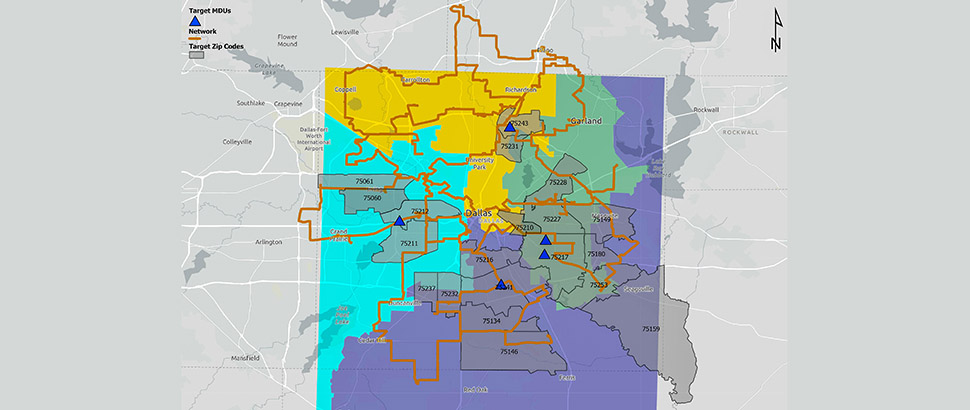
The project will expand the county's middle-mile digital infrastructure. “Dallas County is committed to improving its digital infrastructure and literacy resources to enable equitable Internet access and digital opportunities for every member of the community,” Dallas County Judge Clay Jenkins said.
-

"Breaking Barriers: A Generative AI Hackathon for Digital Inclusion" will take place September 20-23 at the AT&T Foundry in Plano. WIth over $15,000 in prizes, the event is sponsored by Nvidia, which dominates the AI chip market, and Anthropic, the San Francisco company behind the Claude AI chatbot.
-
Explore and discover why Dallas-Fort Worth is one of the fastest-growing regions in the U.S. in this comprehensive guide.