MORE►
woolly mammoth
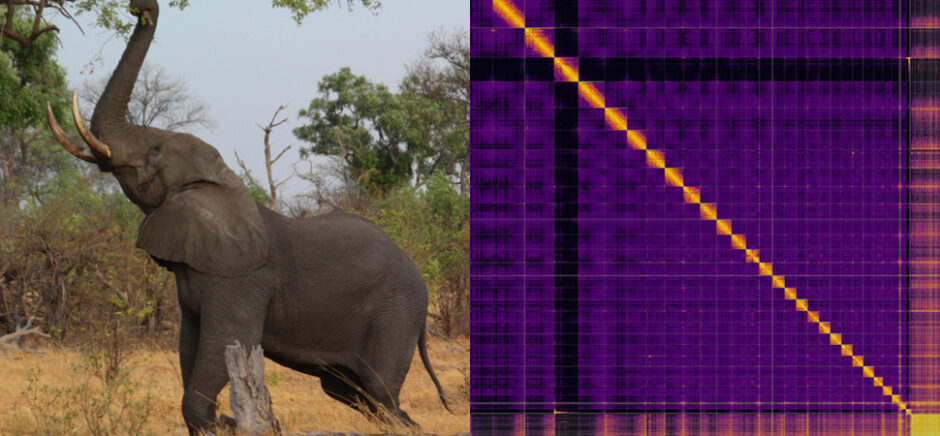
The African elephant. [Image: Colossal Biosciences]
Colossal Biosciences, Vertebrate Genomes Project Publish First High-Quality Reference Genome of African Elephant
by Lance Murray | May 19, 2023
Last year, the partnership announced a near complete sequence of the Asian elephant genome. Colossal and VGP said the sequencing work is part of a long-term effort to ensure the survival of elephant species in the face of climate change, deforestation, and disease.

by David Seeley |
Oct 3, 2022
In August, Colossal Biosciences announced it is working to "de-extinct" the Tasmanian tiger with the help of an Australian university and “marsupial biobanking.” It didn't take long for the TV show "Jeopardy" to notice—and work it into an answer.
MORE►
by Kevin Cummings |
Sep 27, 2022
Dallas-based Colossal Biosciences, the de-extinction company behind plans to bring back the woolly mammoth and thylacine, developed its own software solution "after reviewing everything available on the market." Now it's sharing the platform with the launch of Form Bio.
The spinout's technology tools can help drive the “entire molecular revolution” that is occurring in the life sciences and biotech space, in addition to bolstering the Lone Star state as a hub for the industry, says Chief Strategy Officer Claire Aldridge.
The spinout's technology tools can help drive the “entire molecular revolution” that is occurring in the life sciences and biotech space, in addition to bolstering the Lone Star state as a hub for the industry, says Chief Strategy Officer Claire Aldridge.
MORE►
by David Seeley |
Aug 16, 2022
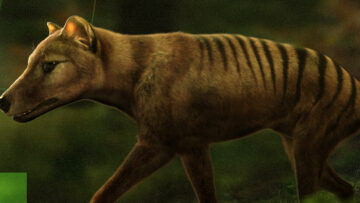
Colossal is already working to "de-extinct" the woolly mammoth via a mammoth-elephant hybrid project. Now the Tasmanian tiger—which went extinct nearly 100 years ago due to human hunting—is the second species Colossal is seeking to bring back.
"We’re thrilled to be collaborating with Andrew Pask and the University of Melbourne to restore this amazing animal to Earth," said Ben Lamm, Colossal's co-founder and CEO.
MORE►