MORE►
sponsored by UTDesign Capstone
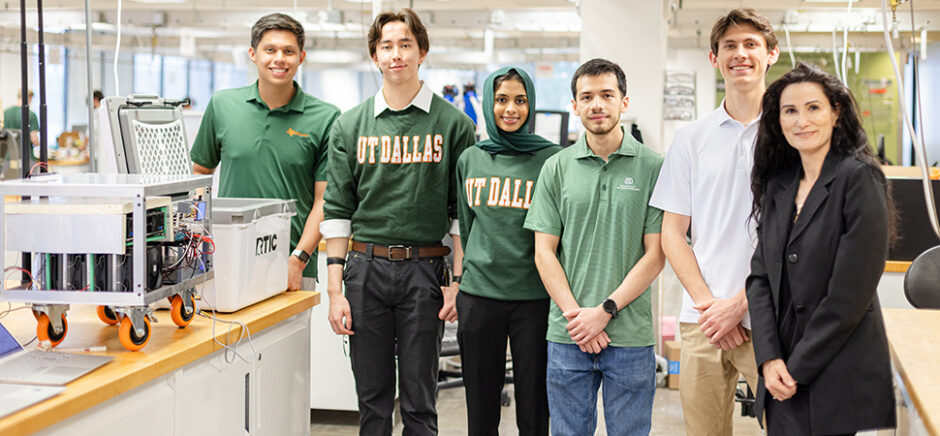
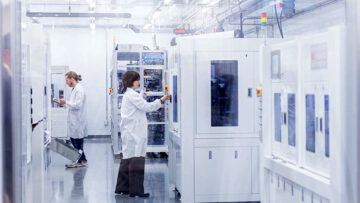
Dr. Irina Timofte (right), a transplant pulmonologist at UT Southwestern Medical Center, visits the UTDesign Capstone team. From left are mechanical engineering seniors Sebastian Talvy and Heber Mantle, biomedical engineering senior Manha Lateef, and mechanical engineering seniors Carlos J. Garza and Nicholas Schlak. Team member Luke Moore, a mechanical engineering senior, is not pictured. [Photo: University of Texas at Dallas]





Left to right: Yunsun Nam, Ph.D.; Bilal Akin, Ph.D.; and Fan Zhang, Ph.D. [Photos courtesy of TAMEST]


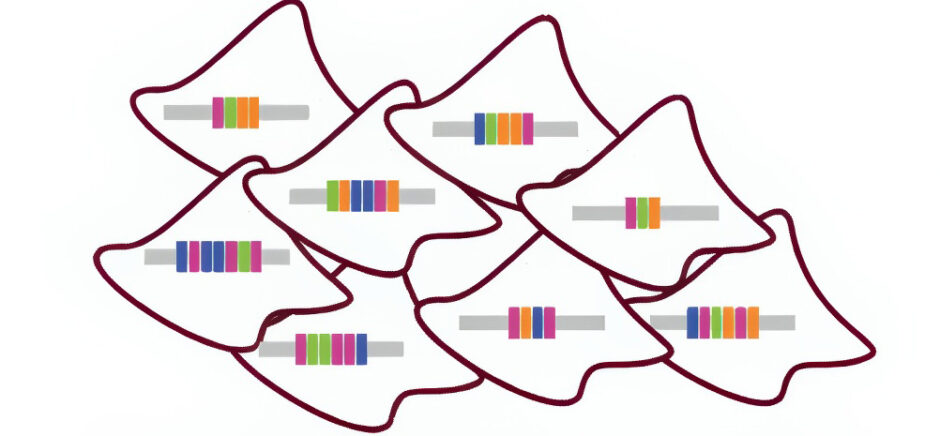
Researchers at UT Dallas used an enzyme called TdT to create unique genetic "fingerprints" inside living cells—a breakthrough in biosecurity that could help biotech companies verify cell identity and prevent counterfeiting. The technique, published in Advanced Science, increases randomness in DNA repair to generate one-of-a-kind markers. This cropped image shows a key step—Pol X’s role in the process. [Source: Figure 1, TdT (1D) PUF/Advanced Science]


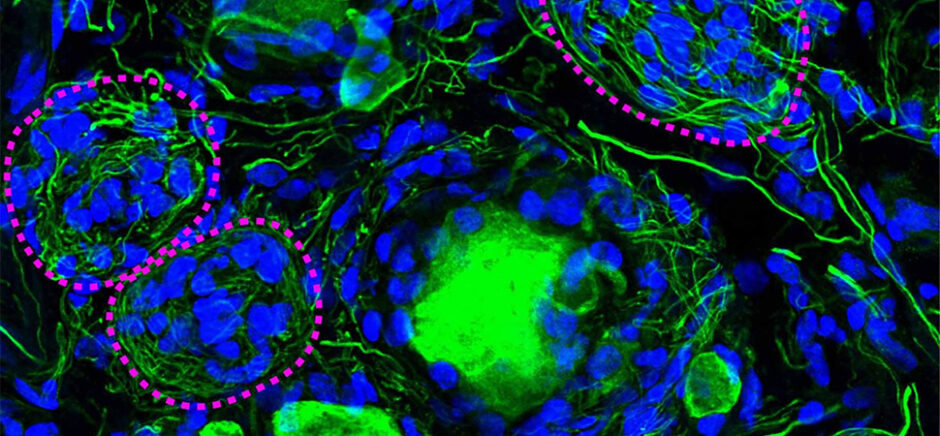
RABBIT TRAIL: In human dorsal root ganglia from a case of diabetic peripheral neuropathy, circled pink clusters mark Nageotte nodules. Researchers say the nodules, obscure structures first observed in rabbits more than a hundred years ago, are a strong indicator of nerve cell death. [Image: UT Dallas]