MORE►
University of Melbourne
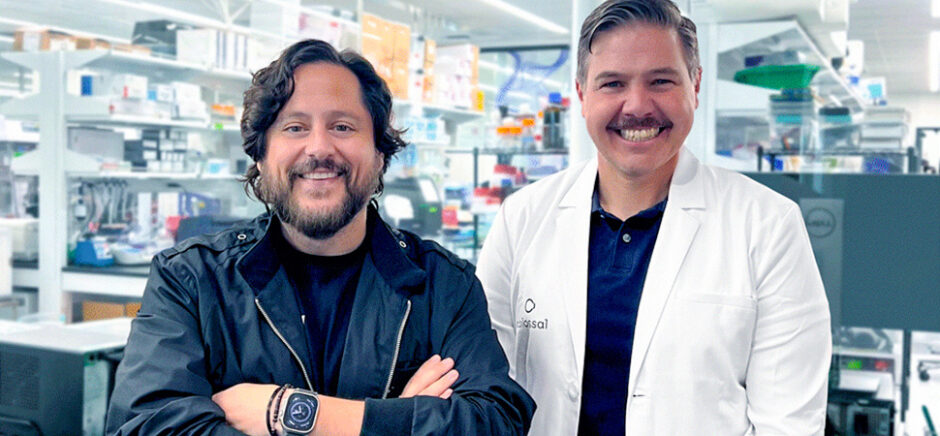
Colossal Co-Founder and CEO Ben Lamm (left) with Colossal Chief Biology Officer, Andrew Pask Ph.D. [Photo: Colossal]
Colossal Biosciences Names Australian De‑Extinction Scientist as Its Chief Biology Officer
by Lance Murray | Aug 20, 2025
Andrew Pask is known for his expertise in de-extinction science, developmental genetics, and conservation technologies. He leads the Thylacine Integrated Genomic Restoration Research Lab (TIGGR) at the University of Melbourne in Australia.
by Quincy Preston |
Jun 26, 2025
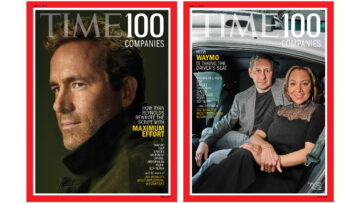
While TIME put Maximum Effort and Waymo on its 2025 worldwide covers, Dallas future-shaping companies are in the mix. Two are Dallas-based. Another Texas company—now a $2B brand—got its start here, too.
MORE►
by Lance Murray |
Dec 17, 2024
“Helping to stop the spread of chytrid is a necessity to ensure healthy ecosystems globally,” said Colossal Foundation Director Matt James. “This isn’t optional. We have to give frogs a fighting chance and ensure they remain a vital part of our planet’s biodiversity for generations to come."
MORE►

by Lance Murray |
Nov 21, 2024
“As bird species disappear, we lose key components of ecosystems, including pollinators, insectivores, and spreaders of seeds, with negative impacts for both human and planetary health," said Colossal co-founder and CEO Ben Lamm.
MORE►

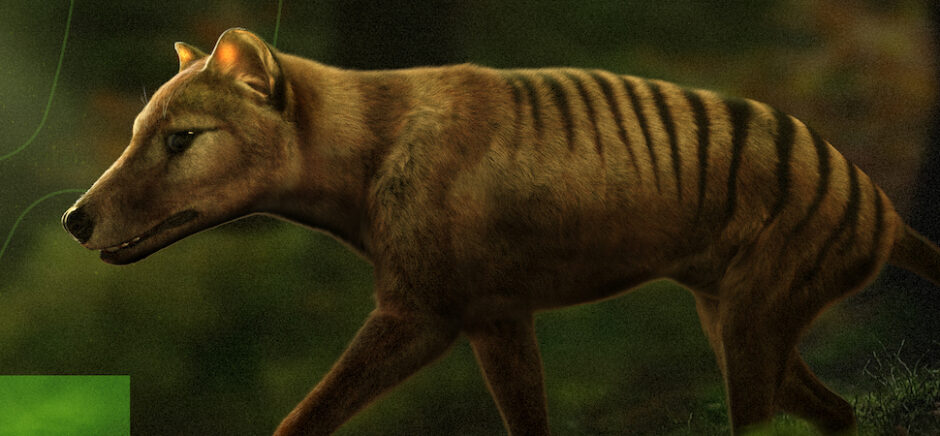
The Tasmanian tiger went extinct due to human hunting nearly 100 years ago. Now Dallas-based Colossal Biosciences aims to bring it back with the help of "marsupial biobanking." [Image: Colossal Biosciences]
Dallas-Based Colossal Is ‘De-Extincting’ the Tasmanian Tiger
by David Seeley | Aug 16, 2022
Colossal is already working to "de-extinct" the woolly mammoth via a mammoth-elephant hybrid project. Now the Tasmanian tiger—which went extinct nearly 100 years ago due to human hunting—is the second species Colossal is seeking to bring back.
"We’re thrilled to be collaborating with Andrew Pask and the University of Melbourne to restore this amazing animal to Earth," said Ben Lamm, Colossal's co-founder and CEO.
MORE►