Southern Methodist University has landed a $2.7 million federal grant to lead research aimed at identifying cyber vulnerabilities in autonomous systems powered by artificial intelligence and machine learning.
Led by Mitch Thornton, executive director of SMU’s Darwin Deason Institute for Cybersecurity, the research targets a growing blind spot in cybersecurity. Traditional defenses against malware and viruses don’t address the kinds of threats now emerging in AI-enabled systems like drones, robots, and other automated devices.
Thornton will tap into the Cyber-Autonomy Range at SMU’s Lyle School of Engineering, a multi-layered digital testing environment announced in 2023. With the new grant, his team will expand that work by building digital twins—virtual models of physical testing sites—where they can run simulated attacks, according to SMU.
Rather than setting up time-consuming physical tests, researchers can now test systems virtually. That shift makes it easier to simulate complex threats quickly, using fewer physical resources and staff. According to the university, this virtual approach helps accelerate discovery and allows teams to identify vulnerable systems earlier in the process.
“With the increasing emergence of autonomous systems—like unmanned aerial vehicles (UAVs) and robots—it’s really important that we make sure that these electronics are safe,” Thornton said in a statement. “Like all new technology, we are concerned about cyber vulnerabilities and the threat of cyber-attacks, because we don’t want these systems to do damage or harm people.”
Once tested in the digital environment, systems that withstand SMU’s “thorough testing battery” will advance to physical testing in a controlled facility. For systems that fall short, researchers will focus on shoring up resilience and safety before they move forward.
Thornton, who is also Cecil H. Green Chair of Engineering at SMU, said the project reflects a broader shift in cybersecurity.
“As we navigate an entirely new class of threats to cybersecurity, far beyond the malware and viruses we’re used to,” he said, “our project increases Lyle’s expertise in autonomy, robots, and digital twin technology to prioritize safety.”
Don’t miss what’s next. Subscribe to Dallas Innovates.
Track Dallas-Fort Worth’s business and innovation landscape with our curated news in your inbox Tuesday-Thursday.
R E A D N E X T
-

Join experts for The Compliance Conundrum, a panel and networking event hosted by UT Dallas’ Cyber Security Research and Education Institute in partnership with Comcast Business, Rapid7, NBC 5, and Telemundo 39. Space is limited, and registration closes Oct. 3.
-
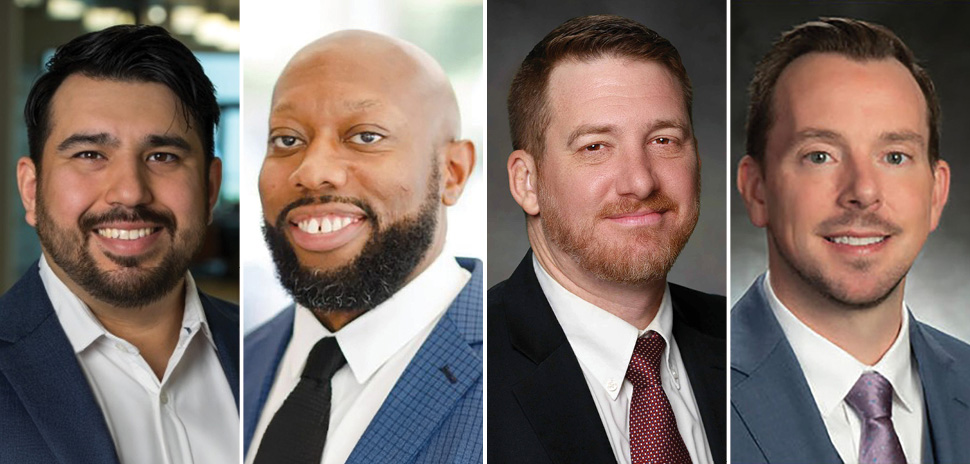
At the statewide TUNIE meeting hosted at SMU, top local economic developers laid out how they’re teaming up with universities to drive innovation and entrepreneurship. Leaders from Dallas, Richardson, Frisco, and McKinney talked anchor institutions to smart-city pilots—but for better partnerships, one ask rose to the top: “Who do I call first?”
-
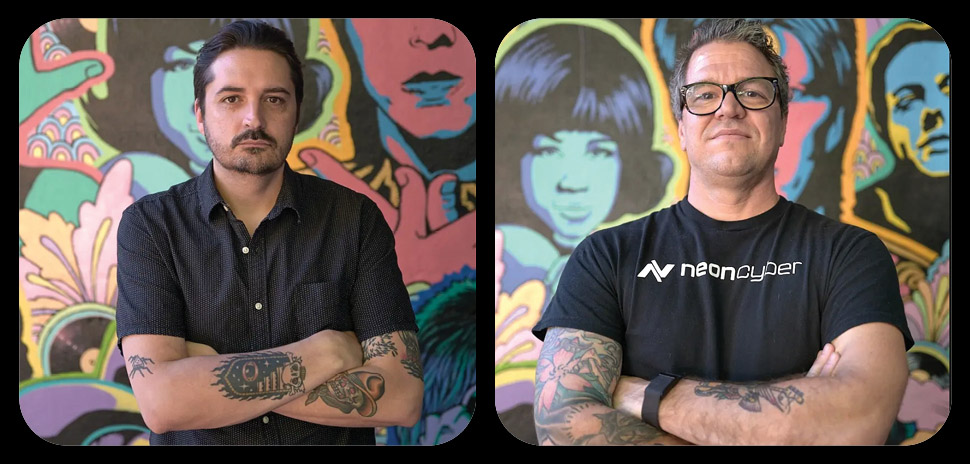
Neon Cyber, founded by security veterans Cody Pierce and Mark St. John, wants to curb phishing, shadow SaaS, and weak sign-ins by putting protection where work happens—inside the browser. “Cybersecurity has no perimeter," the company says, "and it’s time we stopped pretending it does.”
-
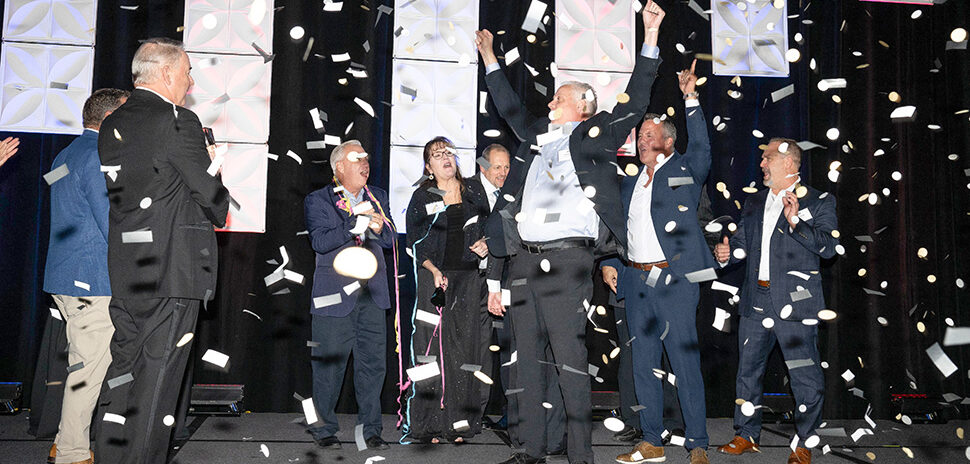
Collectively, the 100 privately held companies generated more than $8.5 billion from 2021 to 2023, while growing average sales by 80%. Plano-based data center infrastructure company Maverick Power took the top spot in the annual rankings. Here's the full list of winners.
-

ArtBoost Dallas returns June 27–28 with strategies for artists to build sustainable careers and create meaningful change. Powered by the Business Council for the Arts, SMU, KERA, and The Dallas Morning News, the two-day event brings together creatives across music, design, dance, theater, writing, and visual art.