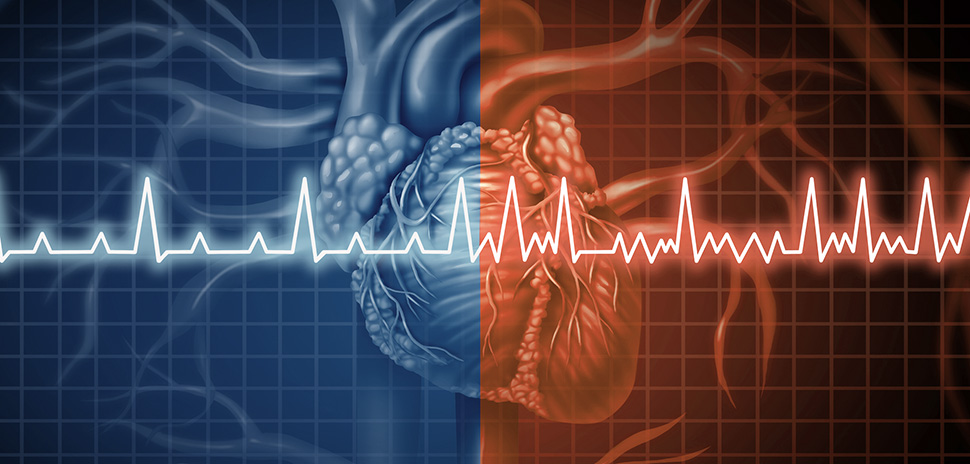
Texas Health Harris Methodist Hospital Fort Worth is among the leading U.S. hospitals participating in an international study focused on patients at high risk of life-threatening ventricular arrhythmias. The hospital is tied at No. 5 with Mayo Clinic for the highest patient enrollment among U.S. sites in the study.
The study is an international clinical trial evaluating an FDA-approved extravascular implantable cardioverter defibrillator, or EV-ICD, Texas Health said. The device monitors the heart and delivers therapy for ventricular arrhythmias—dangerous abnormal heart rhythms that originate in the heart’s lower chambers and can lead to sudden cardiac death.
Unlike traditional implantable defibrillators, which are placed inside the heart through blood vessels, the EV-ICD is positioned outside the heart. A lead is placed beneath the breastbone, and the generator is implanted on the left side of the chest.
‘A major advancement for our patients’
More than 30 facilities around the world are contributing to the Enlighten Study to evaluate the safety and performance of the EV-ICD in treating ventricular arrhythmias. Fourteen hospitals in the U.S. are part of the study.
For patients, the approach changes how defibrillator therapy is delivered, said Dr. Theodore Takata, a cardiac electrophysiologist with Texas Health Physicians Group who is on the Texas Health Fort Worth medical staff.
“The ability to offer lifesaving defibrillator therapy without placing leads inside the heart or veins represents a major advancement for our patients,” Takata said.
Because the system avoids internal leads, patients do not face the same movement restrictions following the procedure, he said. “After the procedure, there are no restrictions on left arm movement,” Takata added, noting that the benefit can be especially meaningful for younger adults and athletes who want to remain active.
Takata said patients have traveled to Texas Health Fort Worth to receive EV-ICD therapy. More than 1,000 patients are enrolled globally across all participating sites.
Timely treatment is key
Heart disease remains the leading cause of death in the United States, with more than 450,000 deaths each year attributed to sudden cardiac death. Ventricular arrhythmias are a leading cause of sudden cardiac death worldwide and account for an estimated 15% to 20% of all deaths in highly developed countries.
The ICD technology brings continued safe and reliable care for those patients at risk for sudden cardiac death, said Dr. Sunita Koshy-Nesbitt, a clinical cardiac electrophysiologist and chief medical and quality officer for Texas Health Physicians Group.
“Diagnosing and timely treatment of deadly arrythmias is a key clinical tool in the fight against cardiovascular disease,” said Koshy-Nesbitt.
The EV-ICD continuously monitors the heart. When it detects a fast or irregular rhythm, the device first delivers a small electrical signal in an attempt to correct it. If the rhythm persists, the system delivers a defibrillation shock to restore normal rhythm.
Future of cardiac care
In addition to performing EV-ICD procedures at Texas Health Fort Worth, Takata serves as a national faculty instructor for the technology. He was recently one of three U.S. physicians invited to help launch and train doctors on the EV-ICD system in China, Texas Health said.
Jared Shelton, president of Texas Health Fort Worth, said the study reflects the hospital’s broader focus on patient safety and quality of care.
“The priority is to use advanced technology to enhance patient safety and get patients back to their loved ones and a better quality of life,” Shelton said.
Shelton said the hospital’s electrophysiology team—including specialized nurses and technical staff—is helping shape the future of cardiac rhythm care in North Texas and beyond.
Don’t miss what’s next. Subscribe to Dallas Innovates.
Track Dallas-Fort Worth’s business and innovation landscape with our curated news in your inbox Tuesday-Thursday.
R E A D N E X T
-
![Social entrepreneur Byron Sanders, a former nonprofit exec, is CEO of Arete Health, launched in January 2025. [Photo: Michael Samples]](https://s24806.pcdn.co/wp-content/uploads/2025/10/27_ByronSanders-STEM-STEAM-STREAM-970_courtesy_Oct2019-1.jpg)
Creatives Care Dallas brings virtual care, behavioral health, 2,000+ medications with zero copay, and more to Dallas County's gig workers. The community initiative is powered by Arete Health Shield in partnership with the Dallas Music Office.
-

Combining cutting-edge research and real-world applications, the UT Dallas professor transforms public health with innovations in detection technology, including “a check engine light” for the human body. In collaboration with EnLiSense, the company she cofounded, Dr. Prasad combines chemistry with software and hardware to bring the technology to life as market-ready devices.
-
The new federal Alzheimer's hub joins an elite network of 37 centers nationwide. Scientists from UT Southwestern, UT Arlington, and UT Dallas will decode dementia by exploring hypertension's role, analyzing voice patterns with AI, and creating virtual patient models.
-
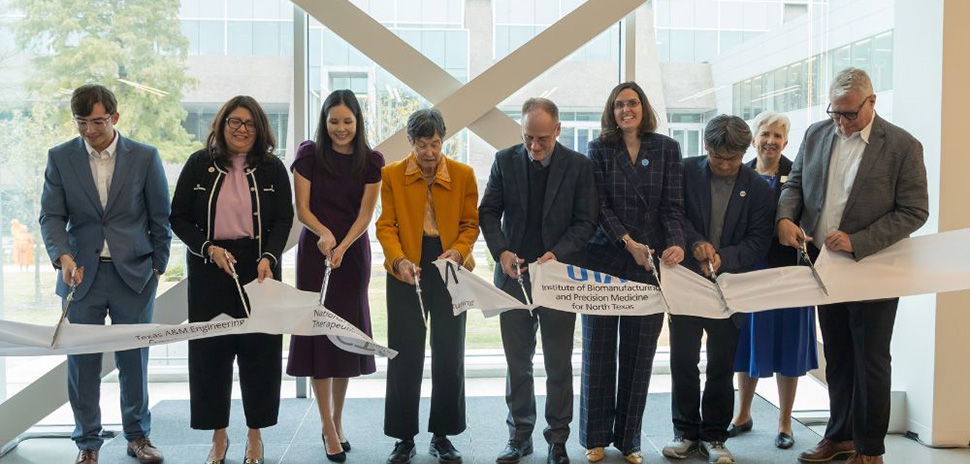
A new satellite campus is adding hands-on training, lab capacity and startup support to Dallas’ growing life sciences ecosystem.
-
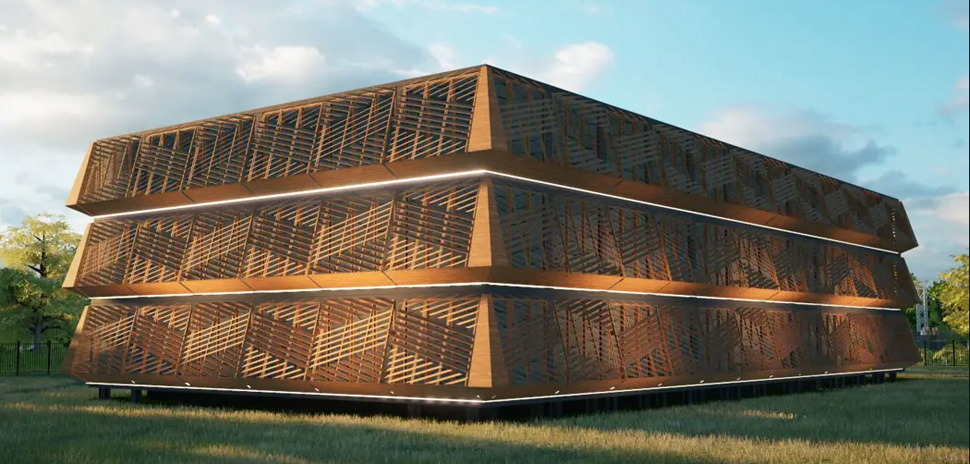
The pilot will test Last Energy’s 5-megawatt PWR-5 design at Texas A&M–RELLIS while the company advances a plan for 30 commercial microreactors in Haskell County northwest of Dallas-Fort Worth to serve data center growth.