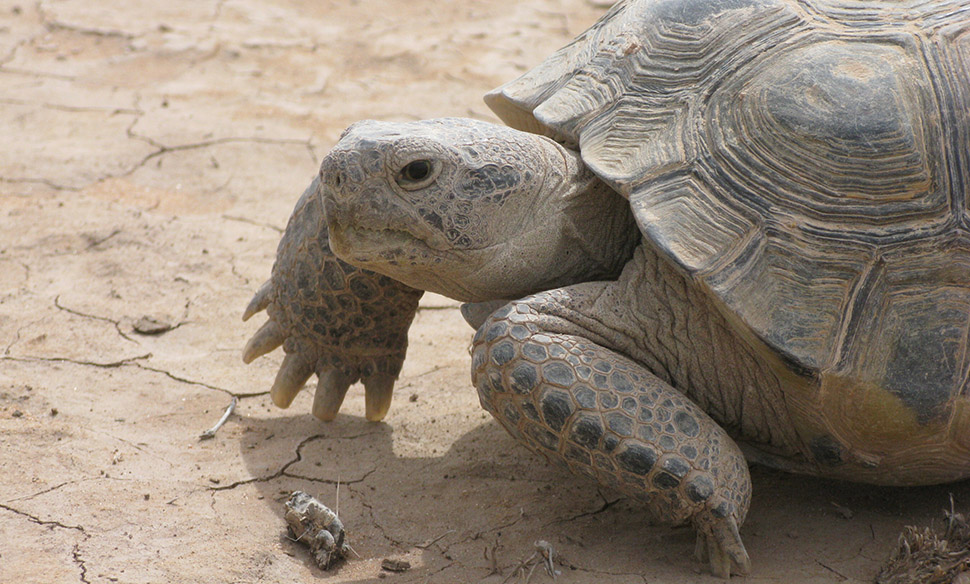
The Dallas-based Colossal Foundation has announced a $500,000, five-year partnership with the Turner Endangered Species Fund to hasten recovery of the Bolson tortoise, North America’s largest and rarest tortoise species, within its prehistoric range, marking a critical advancement for Pleistocene rewilding efforts.
“By returning the Bolson tortoise—la Tortuga Grande—to landscapes it last knew in the late Pleistocene, we’re proving that restoration can reach further back than the post-Columbian record,” Mike Phillips, executive director of Turner Endangered Species Fund, said in a statement. “When historical ranges can’t guarantee survival, prehistoric refuges may hold the key. Choosing that path affirms that recovery, not extinction, is still ours to decide—and the Colossal Foundation’s commitment is a powerful choice in the tortoise’s favor.”
The foundation is the nonprofit charitable organization associated with Dallas-based de-extinction company Colossal Biosciences, run by Dallas entrepreneur Ben Lamm.
Key highlights of the effort include, per the foundation:
:: Historic Recovery: The Bolson tortoise is the first Pleistocene megafauna species to be repatriated to its prehistoric U.S. range after more than 10,000 years of local extinction.
:: Conservation Success: TESF has grown the population from 23 adults to over 800 individuals through captive breeding, with over 150 juveniles released since 2021 showing 80%+ survival rates.
:: Ecosystem Impact: As a keystone species, Bolson tortoises create burrows that provide critical habitat for numerous desert animals, enhancing biodiversity across southwestern ecosystems.
:: Urgent Need: Currently listed as Critically Endangered by IUCN and Endangered under the U.S. Endangered Species Act due to habitat loss, climate change, and illegal harvest
The partnership said it aims to establish three or more self-sustaining, free-ranging populations by 2031.
The Colossal Foundation said its investment will support genetic sequencing, population monitoring, and the release of at least 100 additional juvenile tortoises across Armendaris Ranch, a 362,885-acre ranch in south central New Mexico along the Rio Grande River, and dozens more to the Sevilleta National Wildlife Refuge in New Mexico.
Colossal said the efforts aim to establish three or more self-sustaining, free-ranging populations by 2031.
The initiative is part of The Colossal Foundation’s Species Reintroduction Fund, a global effort leveraging cutting-edge conservation technologies to restore keystone species worldwide.
Don’t miss what’s next. Subscribe to Dallas Innovates.
Track Dallas-Fort Worth’s business and innovation landscape with our curated news in your inbox Tuesday-Thursday.
R E A D N E X T
-
![The South Island giant moa towered over New Zealand's forests for millions of years before becoming extinct within a century of Polynesian settlement around 1400 CE. Colossal Biosciences plans to resurrect the 500-pound birds using ancient DNA extracted from cave deposits and artificial egg technology. [Source image: Colossal Biosciences]](https://s24806.pcdn.co/wp-content/uploads/2025/07/Colossal-Moa.jpg)
The Dallas decacorn is scaling its de-extinction pipeline with indigenous leadership, a New Zealand subsidiary, and economic models for species preservation, including ecotourism opportunities. Filmmaker Sir Peter Jackson helped connect the collaborators, Colossal CEO Ben Lamm says.
-
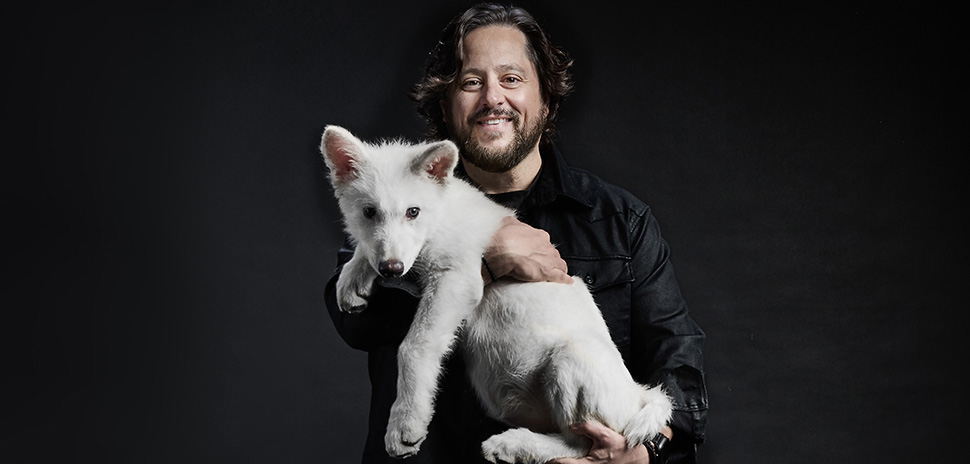
In one of his first deep interviews since Colossal's dire wolf debut made global noise, Ben Lamm joins the TechStuff podcast to talk mammoths, backlash, and why he's not here to play it safe.
-
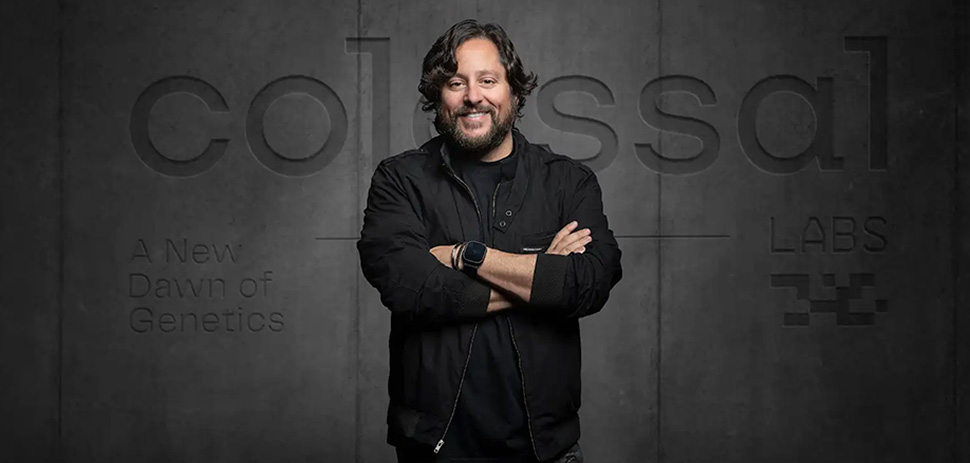
Best known for its moonshot mission to revive the woolly mammoth, Colossal Biosciences has secured $200 million in Series C funding led by TWG Global. The world's first de-extinction company, founded in 2021 by entrepreneur Ben Lamm and renowned Harvard geneticist George Church, Colossal Biosciences is working to restore Earth's lost biodiversity, "making science fiction into science fact."
-
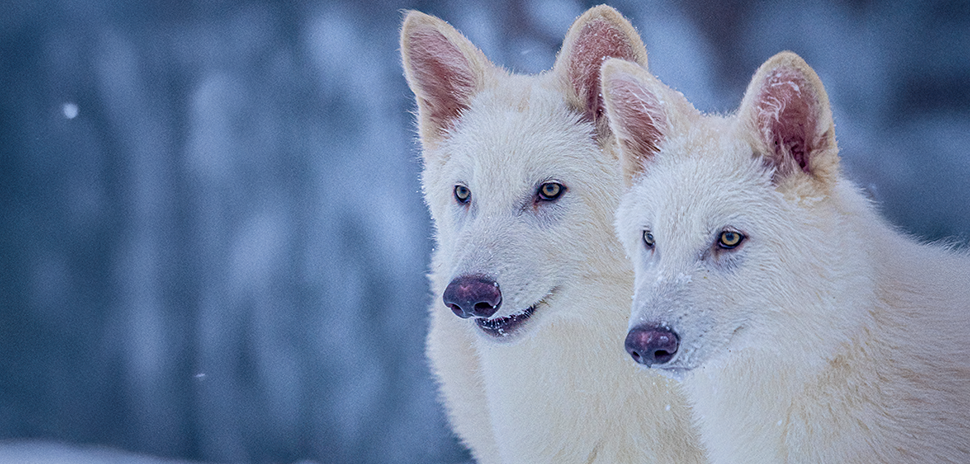
“Game of Thrones” made them famous, but the prehistoric dire wolves were real—and, according to Colossal Biosciences, have now returned after 12,500 years in what it calls the world’s first successful de-extinction. The work goes beyond headlines: It could change how we save endangered species. Meet Romulus, Remus, and Khaleesi in a video—and hear dire wolf howls for the first time in more than 12 millennia.
-
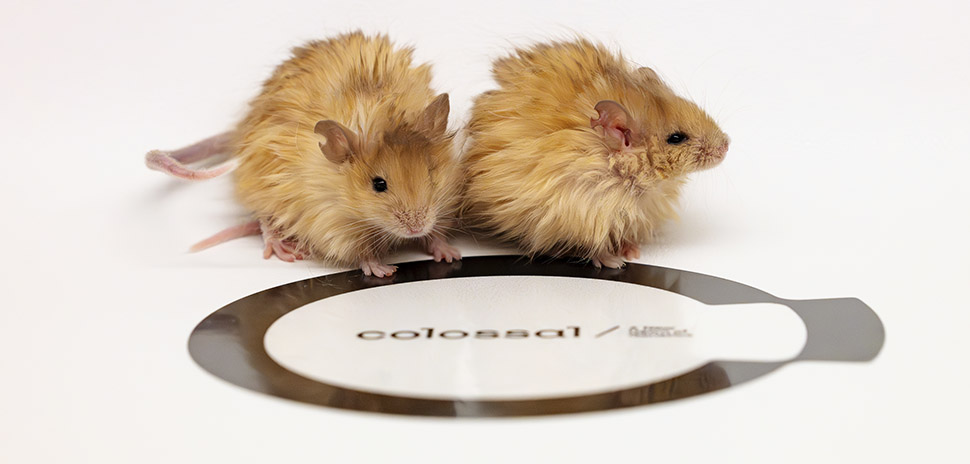
Before Colossal Biosciences can "de-extinct" the woolly mammoth, some small steps are in order. They've now been taken by the Colossal Woolly Mouse—a gene-edited creation with "dramatically altered coat color, texture, and thickness reminiscent of the woolly mammoth’s core phenotypes."