![The South Island giant moa towered over New Zealand's forests for millions of years before becoming extinct within a century of Polynesian settlement around 1400 CE. Colossal Biosciences plans to resurrect the 500-pound birds using ancient DNA extracted from cave deposits and artificial egg technology. [Source image: Colossal Biosciences]](https://s24806.pcdn.co/wp-content/uploads/2025/07/Colossal-Moa.jpg)
Months after turning its dire wolf de-extinction into a moonshot milestone, Colossal Biosciences is going bigger—and taller. The company, now Texas’ first decacorn with a valuation of more than $10 billion, has unveiled plans to recreate New Zealand’s giant moa: a 12-foot-tall, 500-pound flightless bird that’s been extinct for six centuries.
The moa is the Dallas-based genetic engineering and de-extinction company’s fourth species announcement—five counting the dire wolf—joining its plans for the woolly mammoth, Tasmanian tiger, and dodo.
This time, Colossal is applying its de-extinction pipeline in a way that could be repeated in other regions. In what the company calls “a historic indigenous-coordinated initiative,” Colossal aims to de-extinct the South Island giant moa and other taonga (treasured) species, with research, genome work, and biobanking run through Colossal Labs New Zealand, a new local subsidiary.
Sir Peter Jackson, the “Lord of the Rings” filmmaker and a longtime New Zealand conservation advocate, helped bring the partners together and has previously backed Colossal’s other de-extinction projects. The Ngāi Tahu Research Centre at the University of Canterbury will lead the Moa project and ensure Māori communities have a stake in the science, benefits, and decision-making, the company said.
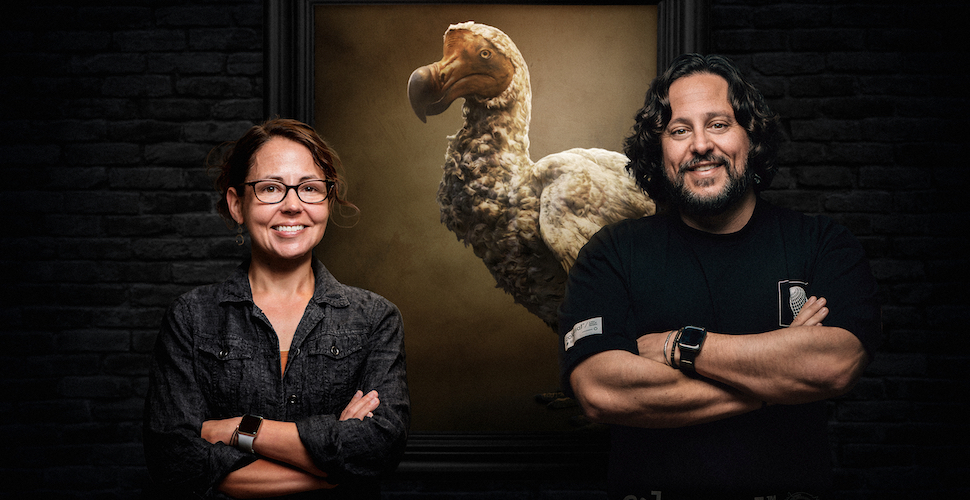
Colossal CEO Ben Lamm (right) and Chief Science Officer Beth Shapiro pictured with a stuffed dodo. Bringing back the famously extinct dodo bird is another Colossal goal. [Photo: Colossal]
“This partnership represents a new model where indigenous leadership guides scientific endeavors,” Colossal co-founder and CEO Ben Lamm said in a statement, describing how traditional ecological knowledge will shape how the tools are deployed.
According to Colossal, the plan is to pair its genetic engineering tools with revenue stream models for communities, including ecotourism partnerships and carbon credit modeling, while making the conservation technology open-source under the direction of the Ngāi Tahu Research Centre.
What’s a moa—and why now?
Moa were giant flightless birds endemic to New Zealand that disappeared about 600 years ago, wiped out after Polynesian settlement through hunting and habitat loss. The South Island giant moa was the biggest of them all, standing up to 12 feet tall with its neck extended and weighing as much as 500 pounds. For millennia, these giants shaped New Zealand’s forests through grazing and seed dispersal.
Professor Mike Stevens, who directs the Ngāi Tahu Research Centre, says that during the 14th and 15th centuries, moa provided meat for sustenance and bones and feathers for tools and decoration. He points to the moa’s disappearance as an early lesson in the region’s “fragile plenty,” adding that the community sees this project as a way to bring ecological and economic goals together.
Bringing the moa back, Colossal said, is about restoring a lost keystone species and testing how its platform works across vastly different species and ecosystems.
A test of scale and stewardship
The moa project is something of a test of operational scale for Colossal. But more than that, it combines frontier genetics with local stewardship, cultural heritage, and economic opportunities for communities across Te Waipounamu/the South Island.
According to a release, Colossal and the Ngāi Tahu Research Centre plan to sequence genomes for all nine known moa species, study related birds like emus and tinamous, and build a regional biobank for other “treasured” species. Māori community-led expeditions will help gather DNA samples, while new labs and science centers will be based in the South Island to grow research and biotech jobs there.
Colossal says it will open-source the conservation technology, develop ecotourism ventures and create carbon credit models to support long-term funding under the direction of the Ngāi Tahu, which will guide how traditional ecological knowledge shapes the work. Educational programming for Māori youth is also planned to help build future capacity in conservation science and genetics.
As Jackson put it in the announcement, Colossal has “made real the possibility of bringing back lost species.”
“There’s a lot of science still to be done—but we can start looking forward to the day when birds like the moa are rescued from the darkness of extinction,” he said. “Exciting times lay ahead.”
Don’t miss what’s next. Subscribe to Dallas Innovates.
Track Dallas-Fort Worth’s business and innovation landscape with our curated news in your inbox Tuesday-Thursday.
R E A D N E X T
-
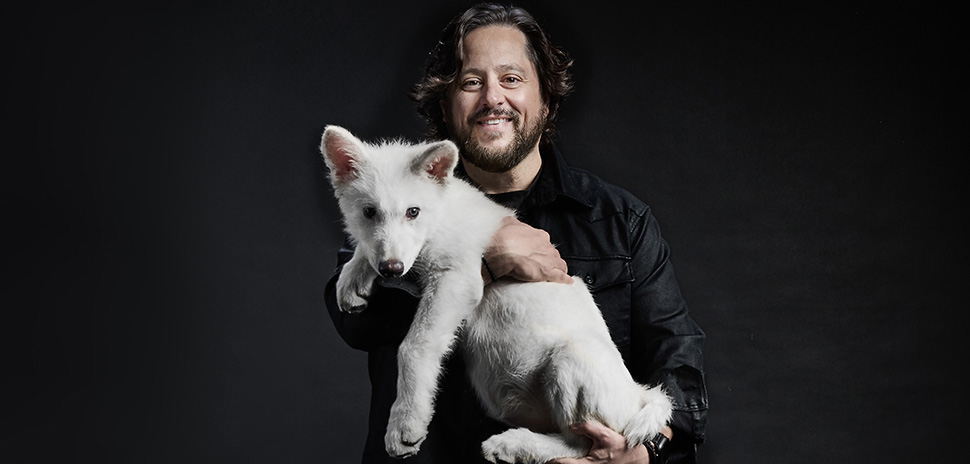
In one of his first deep interviews since Colossal's dire wolf debut made global noise, Ben Lamm joins the TechStuff podcast to talk mammoths, backlash, and why he's not here to play it safe.
-
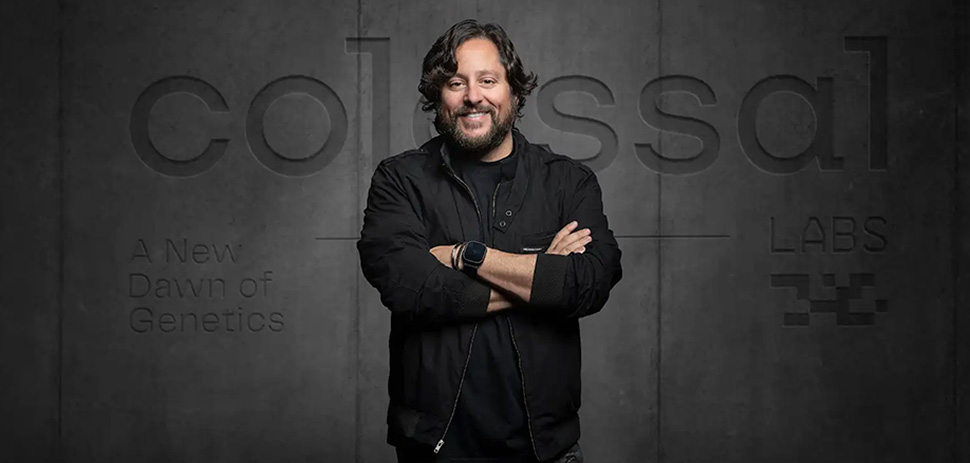
Best known for its moonshot mission to revive the woolly mammoth, Colossal Biosciences has secured $200 million in Series C funding led by TWG Global. The world's first de-extinction company, founded in 2021 by entrepreneur Ben Lamm and renowned Harvard geneticist George Church, Colossal Biosciences is working to restore Earth's lost biodiversity, "making science fiction into science fact."
-
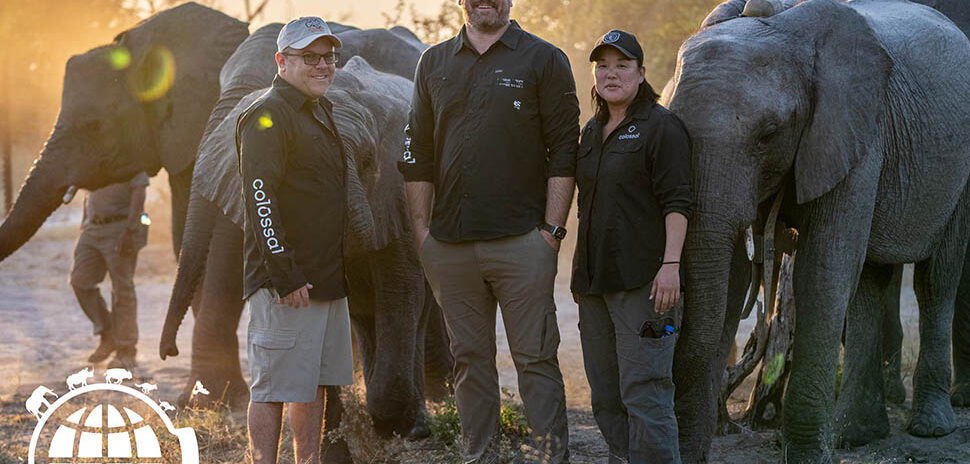
The North Texas-based foundation aims to fight the "extinction crisis" with initiatives including Colossal Biovault—"the world's largest distributed biobanking initiative"—and an array of new efforts to both preserve and "de-extinct" wildlife.
-
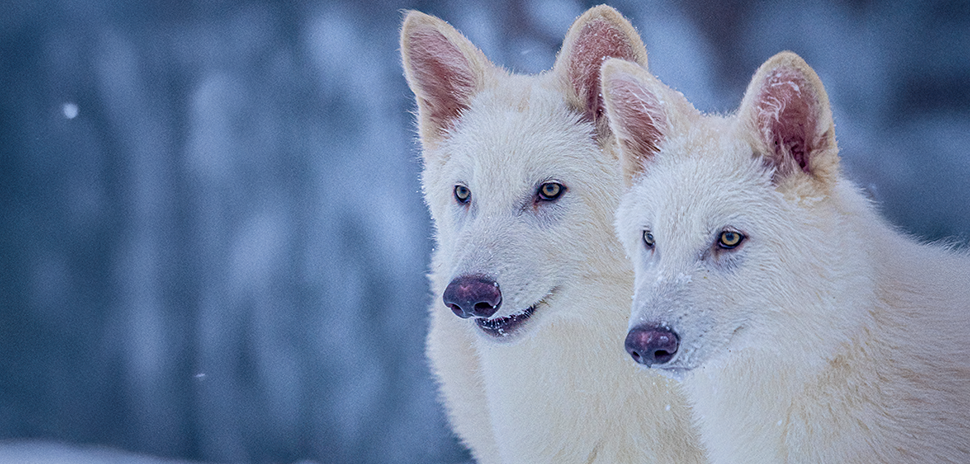
“Game of Thrones” made them famous, but the prehistoric dire wolves were real—and, according to Colossal Biosciences, have now returned after 12,500 years in what it calls the world’s first successful de-extinction. The work goes beyond headlines: It could change how we save endangered species. Meet Romulus, Remus, and Khaleesi in a video—and hear dire wolf howls for the first time in more than 12 millennia.
-
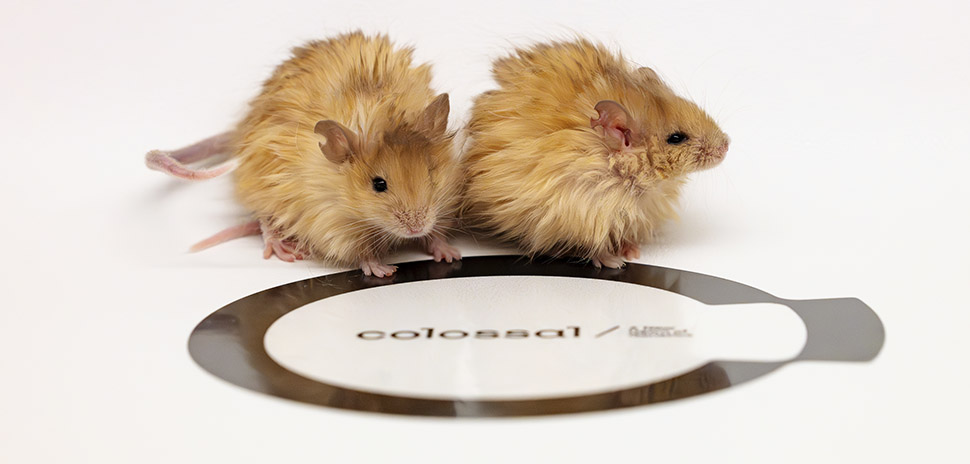
Before Colossal Biosciences can "de-extinct" the woolly mammoth, some small steps are in order. They've now been taken by the Colossal Woolly Mouse—a gene-edited creation with "dramatically altered coat color, texture, and thickness reminiscent of the woolly mammoth’s core phenotypes."