
America and Israel’s war with Iran has rapidly depleted the U.S. military’s stockpiles of critical missile interceptors. In a move to replenish that supply, Lockheed Martin (NYSE: LMT)—whose Missiles and Fire Control division is based in Grand Prairie, just west of Dallas—has been awarded a seven-year federal contract for up to $35 billion to quadruple production of Terminal High Altitude Area Defense (THAAD) interceptors.
THAAD is “the only U.S. system designed to intercept threats both inside and outside the atmosphere,” Lockheed said, providing “a critical layer of missile defense.” The missiles have been deployed extensively in the Persian Gulf region in the last four months amid the U.S. military’s Operation Epic Fury, defending forces and key infrastructure against evolving threats.
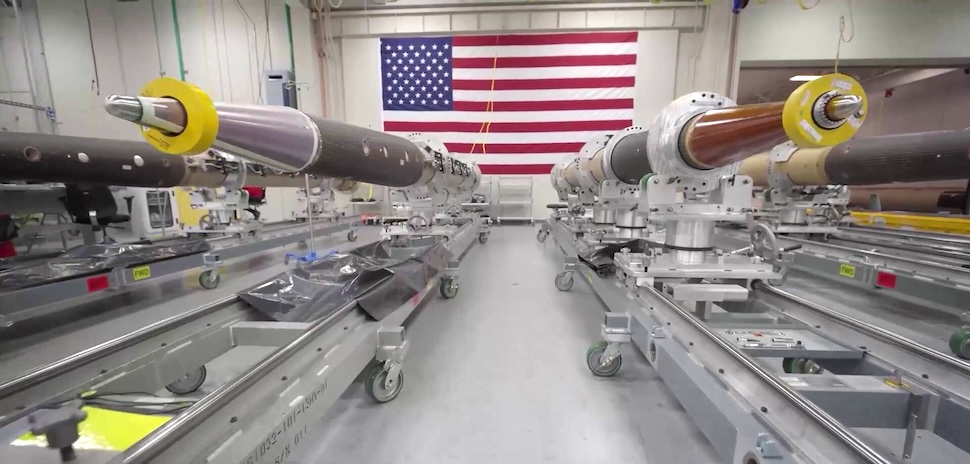
The $35 billion THAAD seven-year procurement award propels acceleration of critical missile defense interceptor production. [Photo: Lockheed Martin]
The THAAD award—one of the first major multiyear procurement contracts executed under the Department of War’s Acquisition Transformation Strategy—represents one of the first full-scale transitions from framework agreement to contract execution under the initiative, Lockheed said.
The THAAD contract news comes three months after Lockheed announced that its Grand Prairie-based division was quadrupling its production of Precision Strike Missiles, following the missiles’ first-ever combat use in the first days of the war with Iran.
Strengthening the defense industrial base
Lockheed said its newest contract puts into action the THAAD framework agreement signed in January between the Department of War and Lockheed Martin, spurring the acceleration of production capacity with a goal of strengthening the defense industrial base and delivering “critical missile defense capability at speed and scale for the U.S. and its allies.”
Tim Cahill, president of Lockheed Martin Missiles and Fire Control, said the new THAAD award “reflects our shared vision with the Department of War to strengthen America’s Arsenal of Freedom through a transformational shift to multiyear procurement.”
“This new approach propels our efforts to strengthen the defense industrial base, expand production and deliver capabilities to the American warfighter at unprecedented speed and scale.”
Just weeks ago, Lockheed Martin broke ground on a new Munitions Production Center in Troy, Alabama, as part of the company’s more than $9 billion investment through 2030—just one of more than 20 new or modernized munitions facilities across the U.S. Lockheed is investing in. Lockheed Martin also recently opened the Next Generation Interceptor facility in Courtland, Alabama, and the Munitions Acceleration Center in Camden, Arkansas.
Don’t miss what’s next. Subscribe to Dallas Innovates.
Track Dallas-Fort Worth’s business and innovation landscape with our curated news in your inbox Tuesday-Thursday.
R E A D N E X T
-

Launched in September 2024, the FLITES program is a modernized, web-based logistics and item cataloging system. It replaced the outdated 50-year-old Item Management Control System, which had been used to manage the Air Force’s vast inventory of aircraft and equipment parts
-
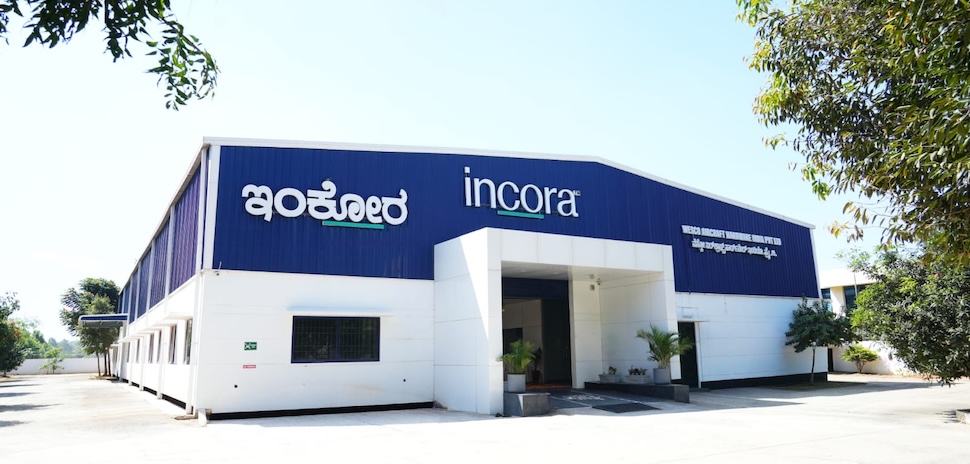
“India continues to emerge as one of the world’s most important aerospace markets, and our investment in local infrastructure with licensing enables us to deliver unmatched responsiveness, proximity, and supply chain efficiency for customers operating there,” said Incora CEO David Coleal.