UNT Health Fort Worth’s Institute for Translational Research is set to become the first site in Texas to join a national study on Alzheimer’s disease in adults with Down syndrome.
The Alzheimer’s Biomarker Consortium-Down Syndrome (ABC-DS) study, a national research initiative supported by the National Institutes of Health, studies how Alzheimer’s disease develops in adults with Down syndrome and aims to identify early biological markers of the disease. UNT Health’s site will begin enrolling participants in June.
Adults who are at least 25 and have Down syndrome are eligible to participate.
“Since 2019, UNT Health has been leading important research examining how blood-based markers can help predict Alzheimer’s disease among individuals with Down syndrome,” Melissa Petersen, Ph.D., UNT Health associate professor and the site’s lead scientific investigator for the study, said in a statement. “Joining ABC-DS as a clinical site allows us to expand that work while ensuring families in our community have greater access to research, evaluations and future treatment opportunities.”
Adults with Down syndrome at high risk
Adults with Down syndrome face a much greater risk than the general population of developing Alzheimer’s disease because of the chromosomal abnormality trisomy 21, which leads to an overproduction of amyloid, a protein linked to Alzheimer’s. According to research published in The Lancet, the lifetime incidence of Alzheimer’s disease among adults with Down syndrome is 90%, with a mean age of 53.8 years for dementia onset.
Researchers say the study is especially timely as more treatment options for Alzheimer’s disease are found and more clinical trials are launched for adults with Down syndrome.
“It’s critical that we increase awareness of the high prevalence of Alzheimer’s disease among adults with Down syndrome, as well as the options available to individuals and families,” Petersen said. “Participation in studies like ABC-DS can help advance new treatment discoveries and connect families with future research opportunities and resources.”
Participant sessions in the study may include memory and thinking assessments, brain imaging, and medical evaluations. UNT Health said it plans to enroll 10 participants during its startup phase before gradually expanding enrollment to around 45 total participants at the site.
Participants will receive all services for free.
More on Institute for Translational Research and ABC-DS study
The Institute for Translational Research at UNT Health is a specialized research institute that aims to advance optimal brain health through precision medicine. Led by Dr. Sid O’Bryant, the institute conducts large-scale, life-changing research on diseases such as Alzheimer’s, Parkinson’s, and dementia, with a particular focus on health disparities.
The ABC-DS study is led by researchers at the University of Pittsburgh, University of Wisconsin-Madison, and University of California, Irvine. At UNT Health, Petersen will serve as site principal investigator, with Assistant Professor Lubnaa Abdullah, PsyD, ABPP, as co-investigator.
The ABC-DS study is funded by a National Institutes of Health grant to the University of Pittsburgh. UNT Health is a subrecipient through the University of Pittsburgh. Around $6.8 million has been awarded to UNT Health. O’Bryant serves as principal investigator of the overall ABC-DS award, while Petersen serves as scientific lead for the clinical portion.
Don’t miss what’s next. Subscribe to Dallas Innovates.
Track Dallas-Fort Worth’s business and innovation landscape with our curated news in your inbox Tuesday-Thursday.
R E A D N E X T
-
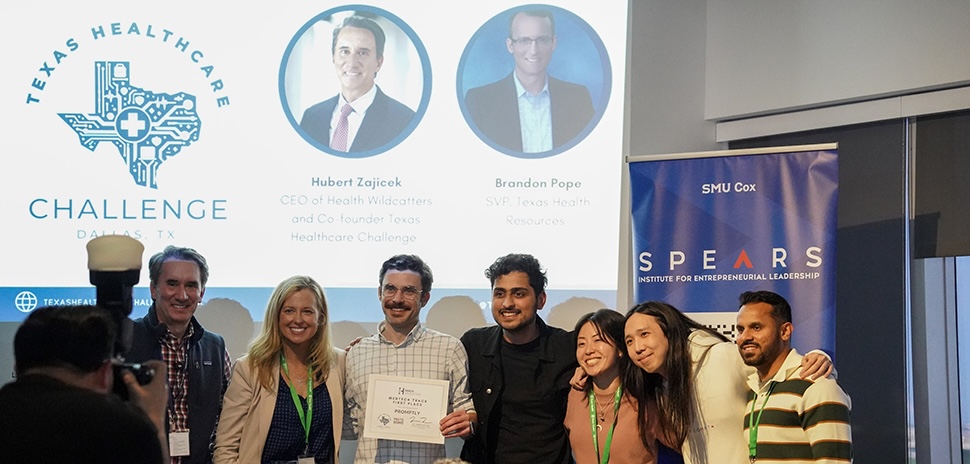
Participants at the Pegasus Park event had 48 hours to turn early-stage concepts and functional prototypes into actionable solutions "to improve health outcomes, expand access, improve patient experience, and drive system-wide efficiency," Health Wildcatters said.
-
ThinkDTM founder Tij Bedi and his team will help lead the strategic expansion, scaling, and transformation of the IKS Health patient access suite of solutions, including patient scheduling, registration, demographic capture, insurance eligibility verification, and prior authorizations, IKS Health said.
-
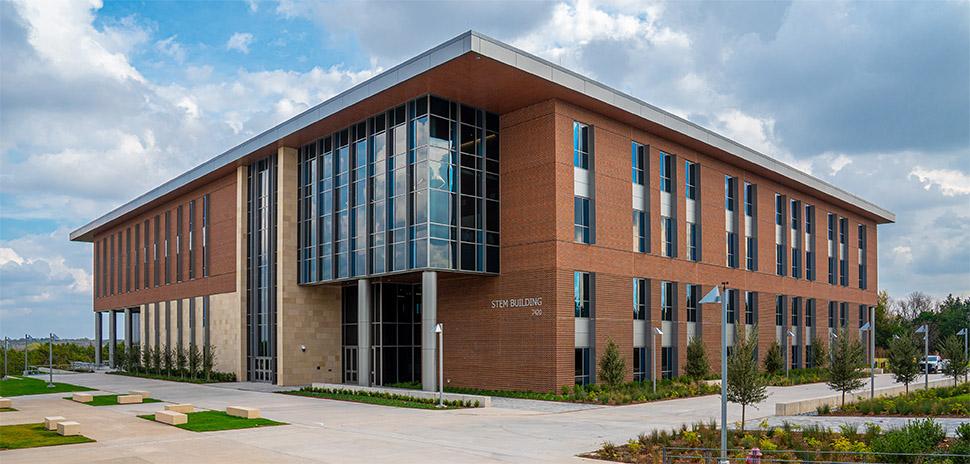
The Trailblazer Tuition Trust will cover full tuition and mandatory fees for up to four years — or eight consecutive semesters — for eligible graduating Texas high school seniors enrolling at UNT Dallas to pursue their first bachelor’s degree. Funding comes from a combination of federal, state, and institutional grants, and scholarships, helping eligible students complete their degree without the burden of tuition costs.
-
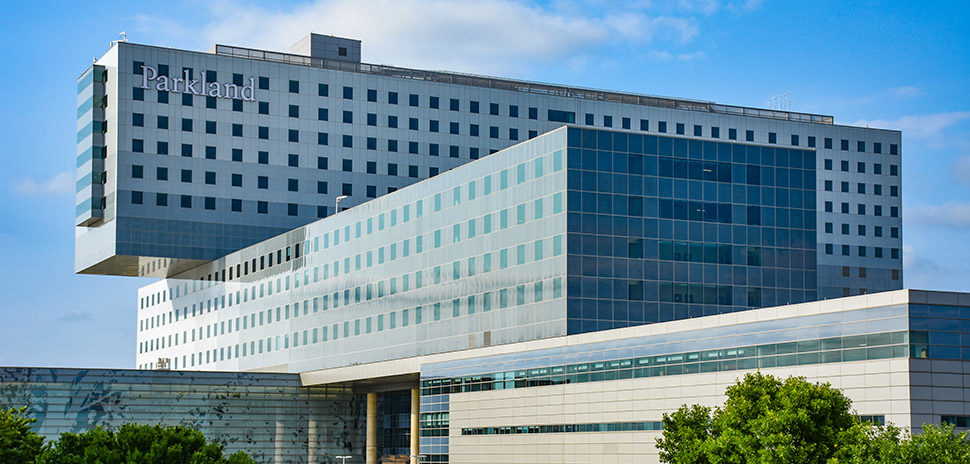
The funding consists of two $1 million grants to the Child Poverty Action Lab and to the Parkland Health Foundation. Each organization will receive $250,000 annually over the next four years to provide solutions and clinical care in underserved communities.
-
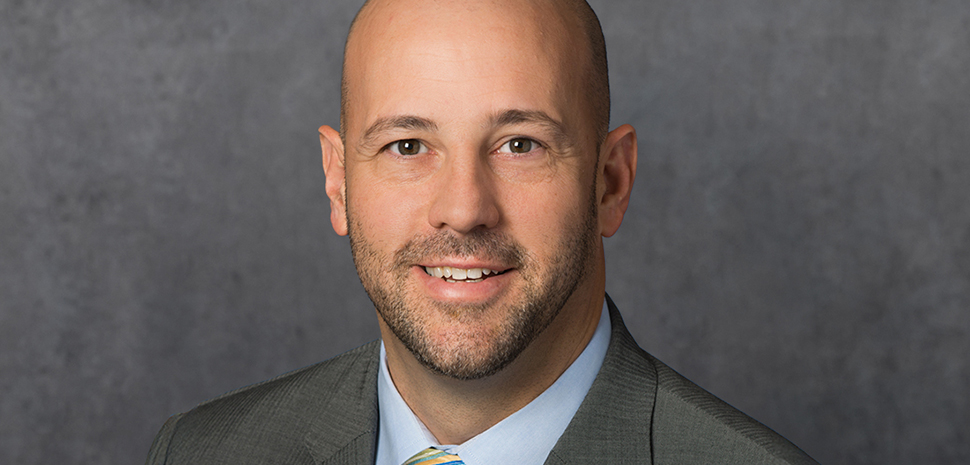
With 30 years of hospital pharmacy leadership experience, Rick Couldry’s deep expertise will help ensure Omnicell’s solutions reflect real-world clinical and operational needs with the goal of improving outcomes in complex care environments, the Fort Worth-based company said.