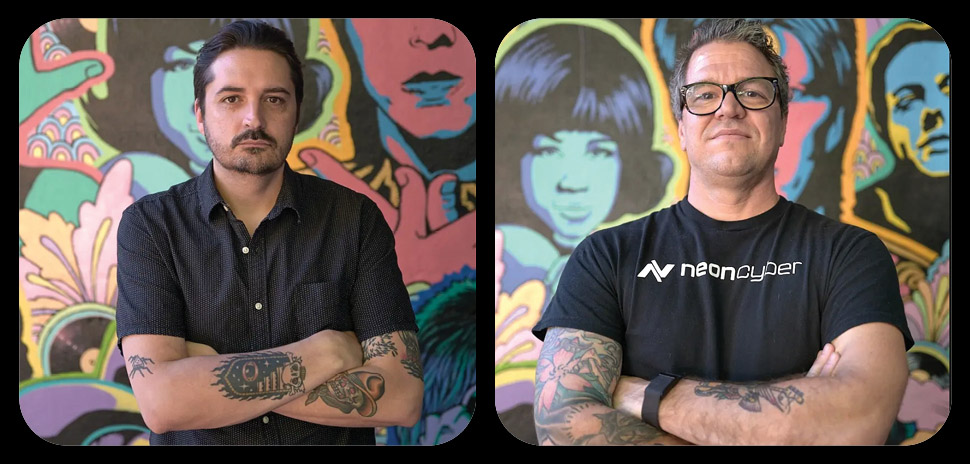
Fort Worth-based Neon Cyber has emerged from stealth with what it calls the first Workforce Cybersecurity Platform, designed to protect employees where they actually work—inside browsers with access to SaaS apps and enterprise systems.
The announcement marks the company’s public debut. Earlier this year, Neon closed a seed round led by Austin-based Silverton Partners, according to Crunchbase, though the amount was not disclosed.
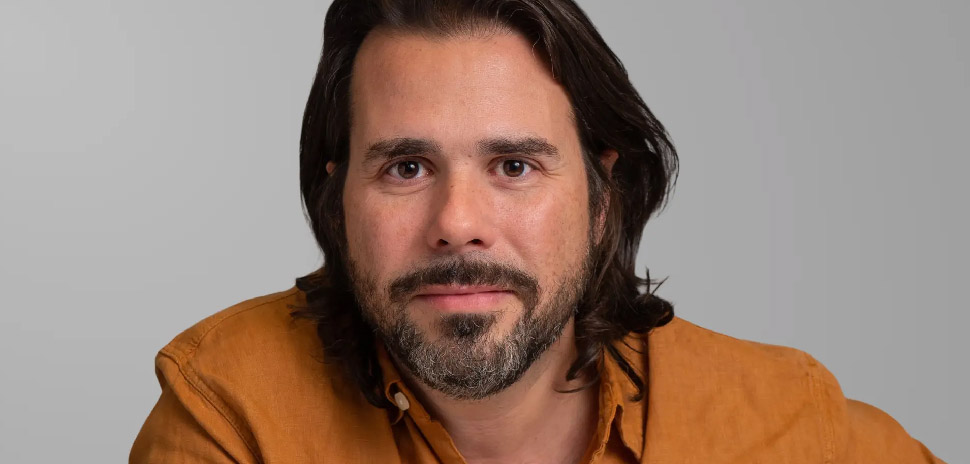
Co-founder and CEO Cody Pierce said that securing the workforce is the “missing piece” in cybersecurity technologies today. “For too long, organizations have invested heavily in infrastructure protection while leaving people exposed,” he said in a statement.
Neon said the platform addresses human-driven risks such as phishing, credential abuse, and “SaaS sprawl” created when employees adopt tools outside IT’s oversight.
Pierce described the design as putting a security expert inside the browser, “stopping threats before they get serious.”
Industry veterans
Pierce and co-founder Mark St. John previously built and exited security firm AlphaWave in 2021. Pierce brings experience from ZeroFox, LookingGlass, Rapid7, and Endgame, while St. John has led security operations and incident response at Verizon and other enterprises.
They launched Neon after concluding that most cybersecurity investments still focus on infrastructure rather than people. According to the company, 60% of breaches involve a human element, with stolen or misused credentials driving nearly a quarter (22%) of initial access and phishing close behind at 16%.
Traditional defenses are outdated in an era of remote work and rapid SaaS adoption, they say, noting “cybersecurity has no perimeter, and it’s time we stopped pretending it does.” In a recent Forbes Technology Council column, more on “the intersection of people, data, and technology” than on firewalls and devices. On LinkedIn, St. John put it more bluntly, saying attackers have become “greedy little goblins” chasing user identities. “Let’s work together to keep the workforce safe,” he wrote.
How the platform works
In a recent interview, SecurityWeek senior contributor Kevin Townsend described Neon’s approach as “shining a light into the browser,” noting the focus on visibility and control where employees actually work.
Neon said the platform brings together several layers of protection, using AI-powered phishing defense to intercept malicious links before a user can click. It also provides visibility into shadow SaaS risk through a catalog that helps teams govern access, reduce sprawl, and enforce policy.
In addition, the company says the system incorporates behavior-based authentication controls and compliance tools within the browser itself, enabling faster response to risky activity without forcing employees to use special browsers or complex integrations.
That approach, it said, gives security teams more immediate insight into how employees interact with applications day to day.
Neon said the platform brings together several layers of protection, using AI-powered phishing defenses to intercept malicious links before a user can click. It also provides visibility into shadow SaaS risk through a catalog that helps teams govern access, reduce sprawl, and enforce policy.
In addition, the company says the system incorporates behavior-based authentication controls and compliance tools within the browser itself, enabling faster responses to risky activity without forcing employees to use special browsers or complex integrations.
That approach, it said, gives security teams more immediate insight into how employees interact with applications day to day.
Neon’s protection works in the mainstream browsers employees already use, providing visibility and control at the point of click, the company said.
That differs from the enterprise-browser category—a space pioneered by Dallas-based quadruple unicorn Island—which delivers data-loss prevention and governance through its Island Enterprise Browser that puts the core IT, security, and productivity needs into the browser itself.
The risks addressed have overlap, but the architectures and adoption paths are different
Early traction
Neon said it’s already working with customers in healthcare (DocGo), energy (BP Energy), and government (the City of Danville, Illinois).
“As part of our ongoing effort to identify and close security gaps, we recognized browsers as a critical blind spot,” said Agnel D’Silva, CTO at the City of Danville. “Neon Cyber has given us the visibility and control we need to identify risks and strengthen our overall cybersecurity posture.”
The company also announced a technology partnership with San Francisco–based Elastic Security to boost enterprise visibility and threat detection. Michael Nichols, Elastic’s VP of product, said the collaboration makes protection “easy to deploy, giving organizations confidence their people, data, and applications are secure.”
Looking ahead
St. John said Neon is built around supporting employees, not faulting them. “Hybrid work is here to stay, SaaS adoption is exploding, and identity threats are escalating,” he said. “We built this company because we’re tired of the industry blaming the workforce—it’s time we actually protect them.”
The aim, he added, is to “defend organizations and users directly where work happens, instead of trying to build more fences.”
Lance Murray contributed to this report.
Don’t miss what’s next. Subscribe to Dallas Innovates.
Track Dallas-Fort Worth’s business and innovation landscape with our curated news in your inbox Tuesday-Thursday.
R E A D N E X T
-

Aiming to safeguard national security using advanced AI, cybersecurity experts at the University of North Texas have received $3 million from the Department of Defense to help the department overhaul its hiring processes. The UNT researchers, led by computer science and engineering faculty Ram Dantu and Cihan Tunc, received $2.1 million in funding from the Cyber Service Academy under the DOD’s chief information officer. The rest of the funds came from the National Security Agency. “This is about ensuring we have the right people in the right positions to protect our national security. There are so many foreign actors working…
-
UTD said it's one of about a dozen institutions in the nation and four in Texas to receive all three Center of Academic Excellence cyber designations, which are managed by the NSA’s National Cryptologic School.
-

LevelBlue—formerly known as AT&T Cybersecurity before its spinout as a standalone business last year—said the deal makes it "the world’s largest pure-play" managed security services provider, with the broadest and most comprehensive portfolio of managed security, offensive security, strategic advisory, incident response, and security software.
-

With 2,000 employees across more than 40 offices and eight video monitoring centers, Addison-based Stealth Monitoring says it monitors more than 100,000 cameras every night, resulting in "the deterrence of more than 50,000 criminal activities, more than 1,000 arrests, and the analysis of roughly 70,000 customer videos annually."
-

The new initiative—aimed at tackling challenges around national defense, supply chain resilience, and economic competitiveness—will serve as a research and policy hub. Its Presidential Advisory Council includes leaders from the military, government, and industry.