Dallas-based Colossal Biosciences—a “de-extinction” company that became Texas’ first “decacorn” in January with a valuation of $10.2 billion—announced a new nine-figure add-on to its Series C raise and offered an update on its attempts to bring back the dodo bird.
On the funding side, Colossal announced an additional expansion of $120 million in new funding with participation from USIT, Bob Nelsen, and “Lord of the Rings” director Peter Jackson, driving its Series C raise up from $200 million to $320 million. Since the company launched in September 2021, it’s has raised just over $555 million in total funding. The latest funding gives the company a valuation of $10.32 billion.
Bringing back the dodo bird
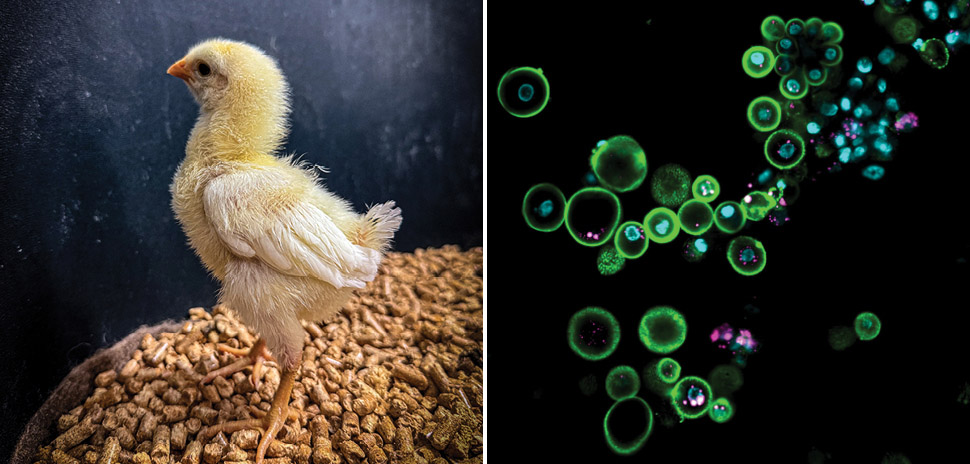
On the dodo side, the famously extinct bird from the Indian Ocean island of Mauritius may be one step closer to strutting the earth again. Colossal said its Avian Genetics Group has established a flock of gene-edited chickens that will serve as potential surrogates for dodos and other endangered bird species.
The company has also generated new genomic resources for exotic and endangered pigeons that will facilitate identification of editing priorities for the dodo de-extinction project. Colossal said these advances “significantly accelerate progress toward dodo de-extinction and broaden tools for advancing biodiversity conservation for birds.” The advances Colossal has made now extend avian PGC culture technology beyond chicken and geese, opening what the company calls “a new frontier in avian reproductive science.”
The breakthroughs follow Colossal’s April announcement of its successful birth of three dire wolves, which it called the world’s “first true de-extinction.” It also follows Colossal’s July-announced plans to “recreate” New Zealand’s giant moa: a 12-foot-tall, 500-pound flightless bird that’s been extinct for six centuries.
“Our avian team’s breakthrough in deriving culture conditions that allow pigeon primordial germ cells to survive long-term is a significant advancement for dodo de-extinction,” Colossal Co-Founder and CEO Ben Lamm said in a statement. “This progress highlights how Colossal’s investment in de-extinction technology is driving discovery and developing tools for both our de-extinction and conservation efforts.”
“Following the global excitement around our recent moa announcement, this new infusion of capital will help us expand our infrastructure and grow our avian genomics team to accelerate not only the new moa de-extinction project, but also continue to track progress on the dodo,” Lamm added.
Laying eggs in Texas
Colossal said it’s using the Nicobar pigeon, the closest living relative of the dodo, as the donor genome for de-extinct dodos. The company established a colony of breeding Nicobar pigeons in Texas that have started laying eggs and, from those embryos.
Beth Shapiro, Colossal’s chief science officer, said the company’s breakthrough in culturing pigeon primordial germ cells “represents a transformative tool for avian conservation.”
“By developing these protocols,” she added, “we’re establishing crucial biobanking capabilities and opening new possibilities for genetic rescue of endangered species.”
Colossal is also gene-editing chickens so that they don’t make their own germ cells. To make a dodo, the avian team plans to inject edited Nicobar pigeon PGCs into these developing chicks, so that they carry pigeon germ cells rather than chicken germ cells. Eventually, a chicken could lay an egg that hatches into a pigeon. Together, the advances set the stage for using surrogate chickens to help bring back dodo relatives—”and eventually the dodo itself.”
Don’t miss what’s next. Subscribe to Dallas Innovates.
Track Dallas-Fort Worth’s business and innovation landscape with our curated news in your inbox Tuesday-Thursday.
R E A D N E X T
-
![The South Island giant moa towered over New Zealand's forests for millions of years before becoming extinct within a century of Polynesian settlement around 1400 CE. Colossal Biosciences plans to resurrect the 500-pound birds using ancient DNA extracted from cave deposits and artificial egg technology. [Source image: Colossal Biosciences]](https://s24806.pcdn.co/wp-content/uploads/2025/07/Colossal-Moa.jpg)
The Dallas decacorn is scaling its de-extinction pipeline with indigenous leadership, a New Zealand subsidiary, and economic models for species preservation, including ecotourism opportunities. Filmmaker Sir Peter Jackson helped connect the collaborators, Colossal CEO Ben Lamm says.
-
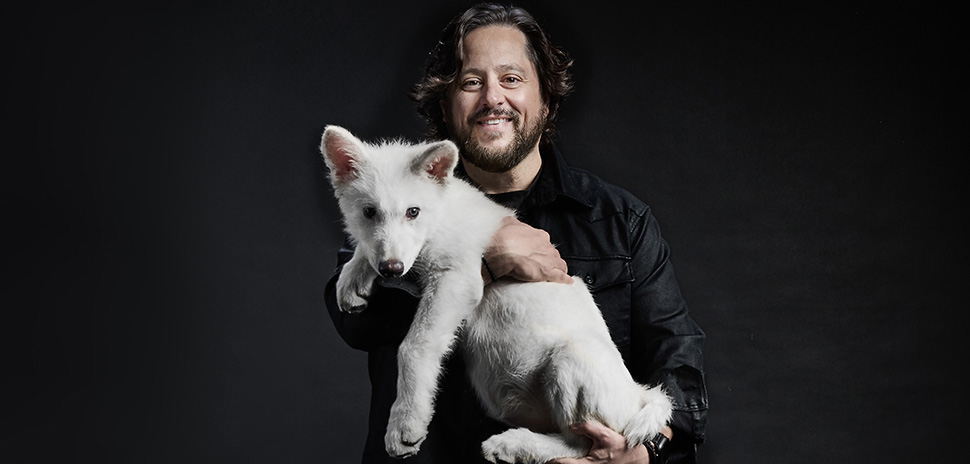
In one of his first deep interviews since Colossal's dire wolf debut made global noise, Ben Lamm joins the TechStuff podcast to talk mammoths, backlash, and why he's not here to play it safe.
-
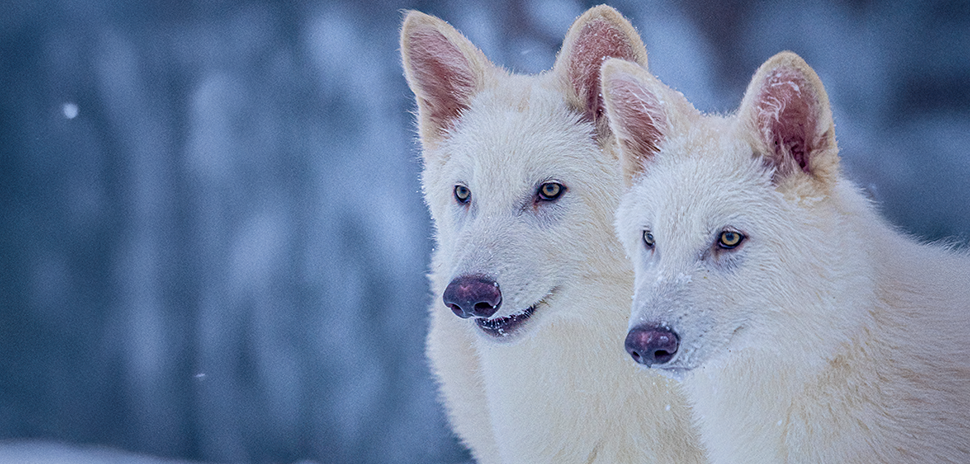
“Game of Thrones” made them famous, but the prehistoric dire wolves were real—and, according to Colossal Biosciences, have now returned after 12,500 years in what it calls the world’s first successful de-extinction. The work goes beyond headlines: It could change how we save endangered species. Meet Romulus, Remus, and Khaleesi in a video—and hear dire wolf howls for the first time in more than 12 millennia.
-
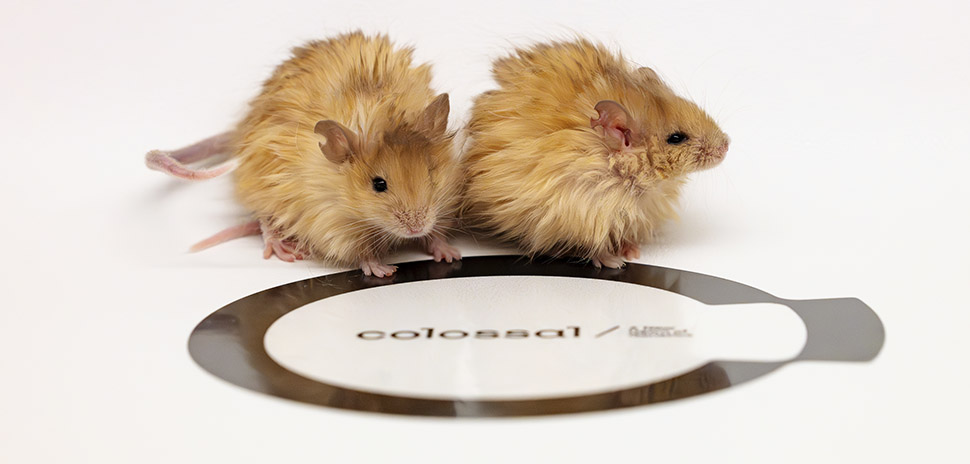
Before Colossal Biosciences can "de-extinct" the woolly mammoth, some small steps are in order. They've now been taken by the Colossal Woolly Mouse—a gene-edited creation with "dramatically altered coat color, texture, and thickness reminiscent of the woolly mammoth’s core phenotypes."
-
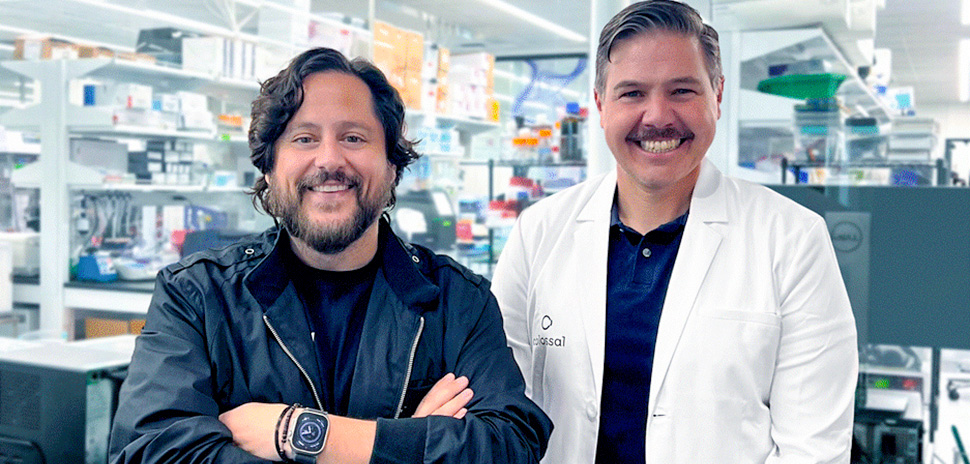
Andrew Pask is known for his expertise in de-extinction science, developmental genetics, and conservation technologies. He leads the Thylacine Integrated Genomic Restoration Research Lab (TIGGR) at the University of Melbourne in Australia.