Senior care centers aim for their residents to stay safely in bed—and to get out of them even more safely. But falls from beds remain a grave concern, which is why many centers rely on alarms and wearables to ameliorate the danger. But now a Fort Worth company is offering a more innovative solution—using 4D radar imaging and machine learning to detect subtle posture shifts and movement patterns by residents.
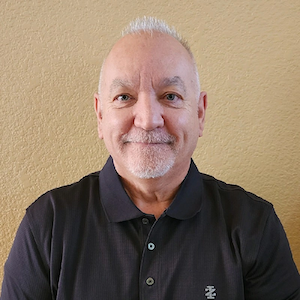
Steve Keys
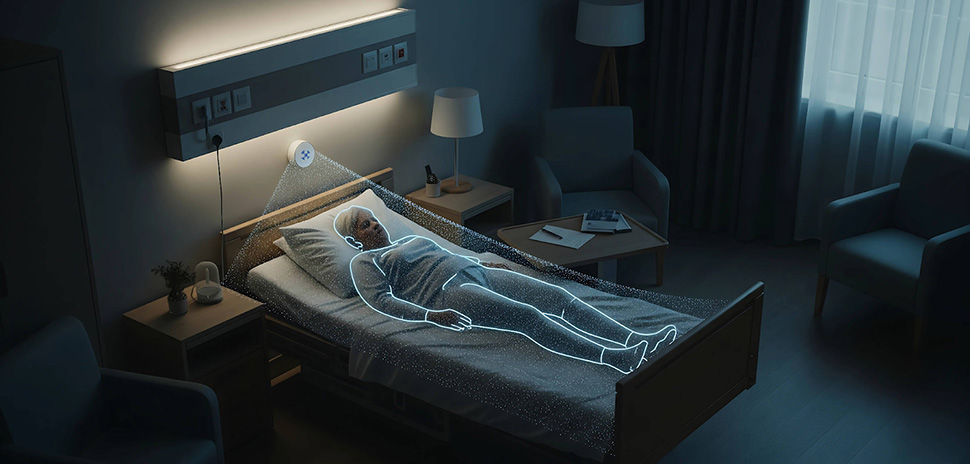
NtelCare, a Fort Worth company founded in 2021 by CEO Steve Keys, has announced the nationwide launch of its “privacy-first,” radar-powered monitoring platform for senior living and post-acute care facilities. The AI-driven system is said to deliver real-time insights into “bed-exit behavior,” which can be an early indicator of fall risk. The system quietly alerts care teams “before a crisis occurs,” the company said.
NtelCare’s patent-pending platform operates in the background, with no cameras, audio, or resident-facing devices. When a resident sits at the edge of the bed for an unusually long time—or begins to rise at an uncommon hour—the 4D radar system detects it. A discreet alert is sent to staff, giving them time to intervene.
“We’re not just sensing movement, we’re sensing moments that matter,” NtelCare Chief Scientist Apurv Mishra said in a statement. “Unassisted bed exits, especially at night, are strongly correlated with falls, disorientation, and even elopement [a term used by care centers for unauthorized and potentially dangerous facility departures]. Our system recognizes those early cues and helps caregivers act with foresight, not just urgency.”
‘Nighttime transitions’ hold the most danger
According to NtelCare, clinical research reinforces the connection between bed exits and injuries in eldercare:
- Over 80% of falls in memory care and assisted living occur during unwitnessed nighttime transitions.
- Residents with dementia or nocturia are especially vulnerable during early-morning hours.
- The first 2–3 minutes after a bed exit pose the highest fall risk due to confusion and loss of balance.
To meet these dangers, many care centers rely on tools like pressure mats, which NtelCare often produce false alarms and delayed detection. The company says its radar-based approach offers “real-time sensing and behavioral baselining” while maintaining resident privacy.
“We didn’t build a better alarm; we built something that understands context,” said Avijit Tripathy, the company’s senior product manager. “A resident sitting up at 2:00 a.m. isn’t just a movement, it’s a signal. And acting on it reduces falls and gives staff confidence.”
Founder and CEO Steve Keys calls his company’s system “the kind of quiet infrastructure senior care has long needed.”
“Fall prevention is more than clinical; it’s emotional,” he added in a statement. “Every timely intervention protects dignity and reduces liability.”
The mission is personal for Keys, who was inspired to launch NtelCare by his own mother’s experience aging at home with mobility challenges.
Pilot deployments have shown ‘measurable impact’
NtelCare said pilot deployments of its radar-based system in assisted living and memory care settings have shown “measurable impact,” with reduced false alarms restoring staff trust in alerts. Residents are said to have sleep better without intrusive monitoring, while administrators are said to have gained visibility into “missed check-ins and room-level risks.”
The company says it has begun to scale its technology “across care networks nationwide.”
Raising a $5M Series A Round
Keys told Dallas Innovates the company is currently raising a $5 million Series A round to build on the momentum of its earlier $2.3 million seed funding. NtelCare currently has 14 employees and is actively hiring, with a staffing goal of 21 team members by 2025, he said.
Quincy Preston contributed to this story.
Editor’s note: This story was updated on August 6 and August 7, 2025, to reflect additional information from the founder on fundraising and the inspiration behind the company.
Don’t miss what’s next. Subscribe to Dallas Innovates.
Track Dallas-Fort Worth’s business and innovation landscape with our curated news in your inbox Tuesday-Thursday.
R E A D N E X T
-
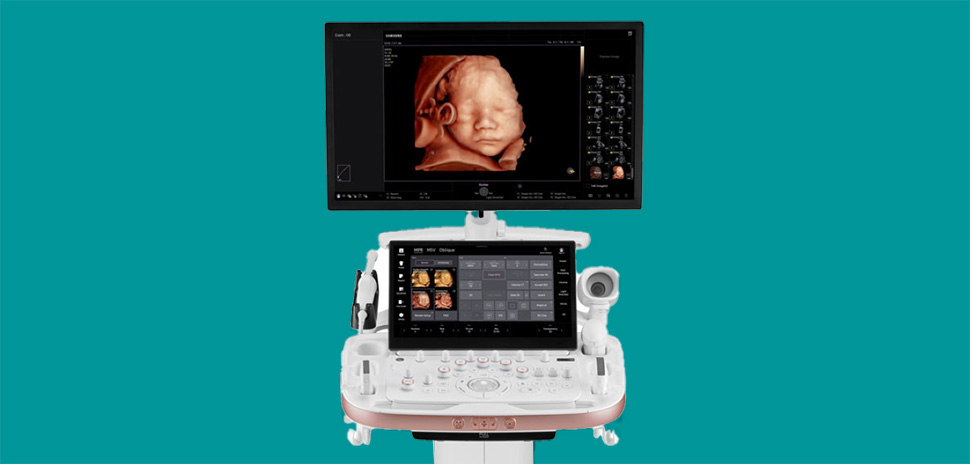
The Dallas maternal-fetal medicine practice calls Samsung's Hera Z20—which uses advanced AI and other features to enhance diagnostic accuracy—a "pre-natal game changer for women's health."
-
In his newly created position of CFOO at Aligned, Billie Haggard will oversee both day-to-day data center operations and personnel globally while driving the operational strategy for data center technology enhancements, efficiency, and innovation.
-
Rick Crutchley brings more than 20 years of leadership experience in the data center industry from roles across operations, service delivery, and sales.
-
The company said the raise encompassed new primary equity from funds managed by Macquarie Asset Management, alongside multiple large global investors with significant experience in digital infrastructure.
-

The co-developed data center campus will encompass 24 buildings planned across three phases on a 768-acre campus just outside Grand Prairie. The project's first building is slated to be energized in May 2026.