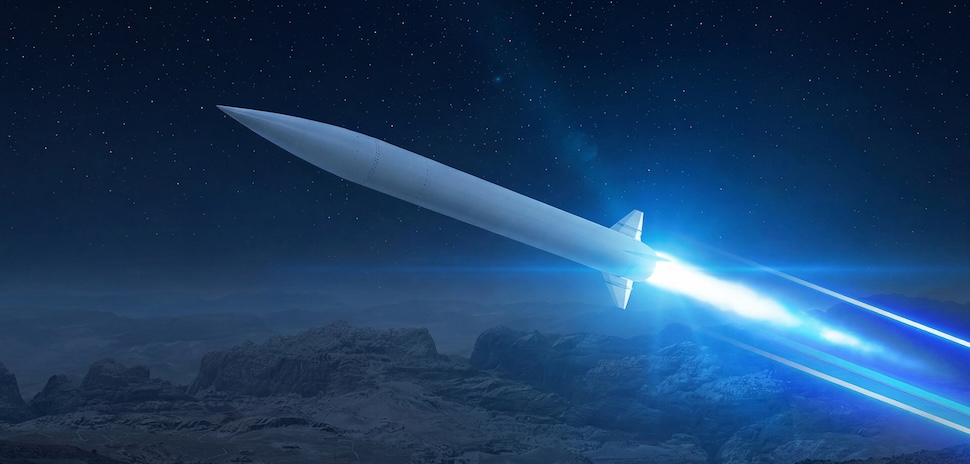
Amid the U.S. military’s ongoing Operation Epic Fury in Iran, Lockheed Martin (NYSE: LMT) has announced that its North Texas-based Missiles and Fire Control division is quadrupling its production of Precision Strike Missiles (PrSM). The missiles—designed by Lockheed to replace the aging ATACMS platform—got their first-ever combat use in the war’s opening days, according to a post by the U.S. Central Command which shows a PrSM being launched.
Lockheed’s Missiles and Fire Control division is based in Grand Prairie within a 300-acre headquarters complex at 1902 W. Freeway St. The company said it’s “answering the nation’s call” to accelerate production of the missiles, under a framework agreement it struck with the Department of Defense.
North Texas is also the home of Lockheed’s Aeronautics division, in Fort Worth, focused on production of F-35 stealth fighter jets—which have also been active in America’s war with Iran. Along with additional Lockheed facilities in Grapevine, Lufkin, Houston, and San Antonio, some 23,000 Lockheed workers are employed across the state, according to the Texas Economic Development Corporation.
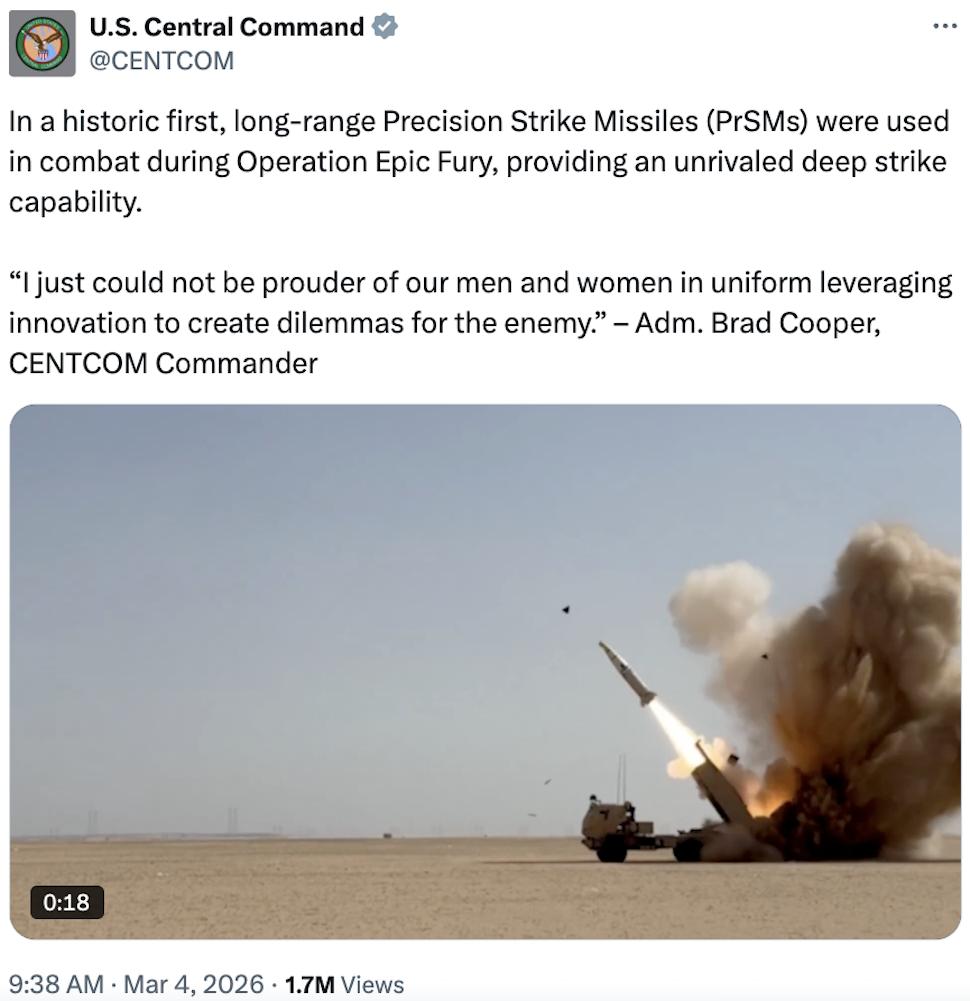
[X post by U.S. Central Command]
Builds on last year’s $5B Army contract
The new missile agreement builds on a $4.94 billion contract award Lockheed received from the U.S. Army last year.
Lockheed said the initiative “directly supports the national imperative to build a more lethal, resilient and ready fighting force, backed by a stronger, advanced industrial base.” The agreement includes the ability to negotiate a multi-year contract up to seven years, should Congress grant multi-year authority, contingent upon future congressional authorization, Lockheed noted.
Jim Taiclet, Lockheed’s chairman, president, and CEO, said his company “delivers the advanced precision fires capabilities the warfighter needs, including the Precision Strike Missile (PrSM), which expands deep-strike capability.”
“We’re working closely with the Department of War and the U.S. Army to scale production to meet operational demand and ensure the joint force has the capabilities needed to deter and defeat emerging threats,” Taiclet added in a statement.
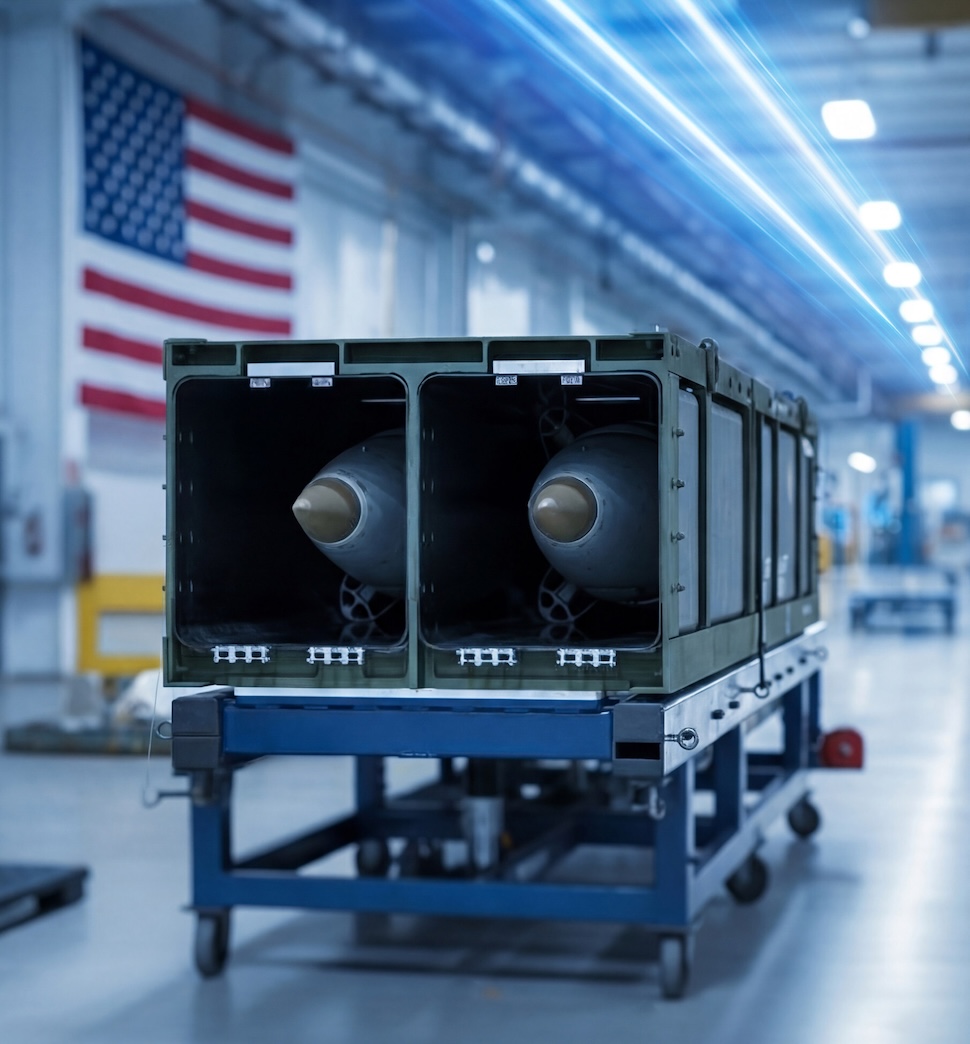
PrSMs in production at Lockheed Martin plant. [Photo: Lockheed Martin]
More on the PrSM
Compared to the legacy Army Tactical Missile System (ATACMS), PrSM delivers “extended range, improved lethality, and platform versatility,” Lockheed said. Enabled by mission integration and digital engineering across industry and government. The missile system was granted Milestone C approval by the Army in July 2025, signaling its readiness for full production and deployment.
A March 20 report by Defense One called the PrSM’s debut performance in Iran “successful,” but noted that it has been procured to date in “relatively small quantities.” The article’s title explains the rationale behind today’s news: “This missile just proved itself in Iran. The US needs more, ASAP.”
Lockheed said the missile agreement marks its latest commitment “to expand and strengthen the Arsenal of Freedom, creating high-paying, highly skilled jobs that will secure peace through strength for generations to come.”
Don’t miss what’s next. Subscribe to Dallas Innovates.
Track Dallas-Fort Worth’s business and innovation landscape with our curated news in your inbox Tuesday-Thursday.
R E A D N E X T
-
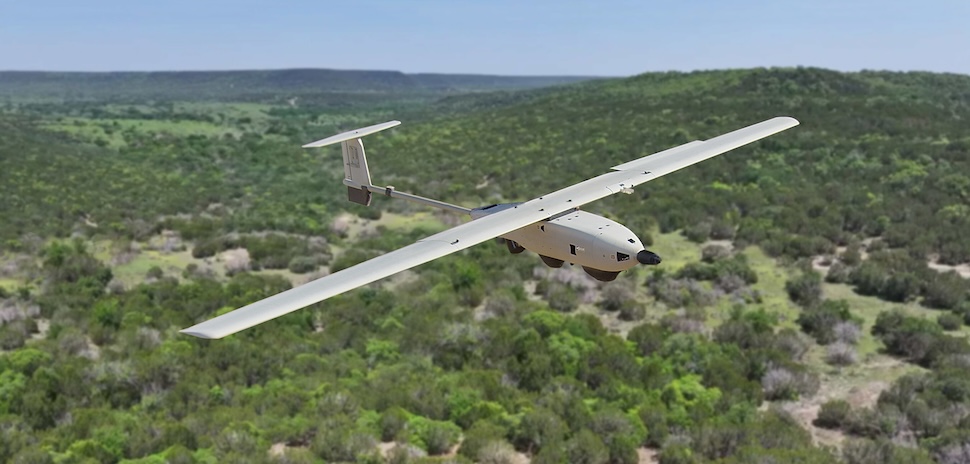
"This demonstration proves AI can move from the lab to the battlefield," said DFW-based OJ Sanchez, VP and general manager of Lockheed Martin Skunk Works.
-

If you worry that robots may be coming to replace us, you may have thought at least actors were safe. Think again. The newest cast member on "Only Murders in the Building" is a cloud-based, intelligent humanoid robot that can man a doorman's desk like nobody's business.
-

Unveiled at HLTH USA 2025, the Dallas-based precision health company’s Verily Me app blends clinical guidance and AI-driven tools to help people stay informed, connected, and proactive in managing their health.
-

Precision Care Companion (PCC) is a consortium of industry experts, led by McKesson, designed to help healthcare practices improve patient care.
-

Founded in 2011, Novaria is a provider of engineered aerospace components and specialty processes. Its niche products support more than 3,000 customers and can be found on "almost every Boeing and Airbus commercial aircraft in service," the company said.